
Feb 11, 2026
The report “Automotive Regenerative Braking Market By Vehicle Type (Battery Electric Vehicles, Hybrid Electric Vehicles, Plug-in Hybrid Electric Vehicles), By Technology (Mechanical Regenerative Braking, Hydraulic Regenerative Braking, Electric Regenerative Braking), By Component (Regenerative Braking Motors, Energy Storage Units, Brake Control Systems), By End-Users (Passenger Vehicles, Commercial)” is expected to reach USD 12.80 billion by 2033, registering a CAGR of 8.00% from 2026 to 2033, according to a new report by Transpire Insight.
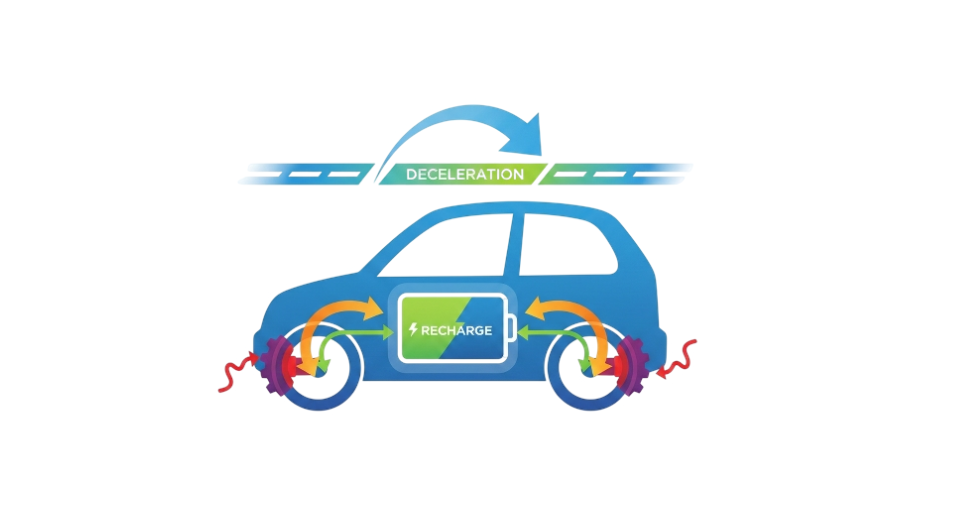
When a car slows down, some models grab motion energy instead of letting it vanish. This captured power becomes electricity through clever engineering tucked inside modern vehicles. Motion turns into stored juice by teaming up brakes with smart circuits and storage units. Efficiency climbs because what once burned off as waste now feeds the system again. Hybrid and electric rides benefit most since every bit of saved oomph stretches how far they can go. Parts work together braking parts talk to batteries using digital coordination behind the scenes. Heat used to be the endpoint; now it is just a missed chance avoided.
Most drivers notice how regenerative braking makes stops feel more controlled, since it slows the car gradually while lessening strain on brake pads. Instead of relying only on friction, energy normally lost during slowing gets captured, which feeds back into the battery, helping mileage add up over time. Newer models link this system closely with digital aids like lane keeping tools and traction adjustments, so every shift in speed stays balanced and secure. Even under sudden conditions, coordination between these functions keeps handling predictable tasks without demanding extra effort.
Better software, stronger motors, faster charging, these changes help brakes gather energy more smoothly. Car builders team up with tech firms to make lighter units that save power without extra parts. Efficiency matters most now, especially when scaling beyond regular cars into trucks and factory machines. New designs respond quicker, work longer, and fit tighter spaces. Progress means simpler wiring, smarter feedback, and less waste overall.
The Battery Electric Vehicles segment is projected to witness the highest CAGR in the Automotive Regenerative Braking market during the forecast period.
According to Transpire Insight, Fueled by rising demand for full-electric drivetrains, battery-powered cars are expected to grow fastest in the regenerative brake sector over the coming years. Since they depend strongly on capturing motion energy, such vehicles use regeneration not just to boost efficiency but also to push their travel limits further. These brakes are not add-ons; they are built into how electric transport functions now. Growth here mirrors a wider shift toward cleaner drives where every bit of saved momentum counts.
Nowhere else has progress moved faster than in how batteries, motors, and brake controls work together inside electric cars. Thanks to smarter designs, energy once lost during slowing down gets saved instead. Manufacturers fit these setups more often because they stretch the range while sparing parts that usually fade fast. Less strain on standard brakes means longer life without extra effort. Performance climbs quietly behind the scenes. This shift shows up strongest where demand runs highest daily drivers and delivery vans alike.
The Electric Regenerative Braking segment is projected to witness the highest CAGR in the Automotive Regenerative Braking market during the forecast period.
Electric Regenerative Braking is expected to grow faster than other segments in the automotive regenerative braking market over the coming years. Its rise comes down to how well it captures energy compared to alternatives. Instead of losing momentum as heat, it turns motion into electricity when slowing down. That power gets saved in batteries or supercapacitors, ready for later use. Because it works so smoothly with electric and hybrid systems, adoption spreads naturally. Efficiency gains help vehicles go farther on a single charge. Growth follows where performance improves without extra effort.
Faster progress in how machines handle electricity, motors, and battery tech is pushing regenerative braking into more cars. New models, both personal ones and work trucks, are using it because it grabs wasted energy, slows down brake part damage, while lifting overall drive quality, along with eco benefits. This shift has turned the system into a top pick among modern e-mobility builds.
The Energy Storage Units segment is projected to witness the highest CAGR in the Automotive Regenerative Braking market during the forecast period.
According to Transpire Insight, Energy storage units are expected to grow fast in the regenerative braking space over the coming years. Capturing brake energy well helps cars perform better. When a vehicle slows down, batteries or supercapacitors hold on to that power instead of losing it. This saved electricity later assists movement, cutting losses across electric and hybrid models. More range becomes possible when stored juice is reused smartly.
Better batteries that charge quickly and last longer help more people choose these options. Because they save power when slowing down, cars now use smart storage to run more smoothly and waste less energy. These upgrades work in both everyday cars and big trucks, making travel cleaner without losing strength. Stronger tech means drivers get steady performance while cutting back on fuel needs.
The Passenger Vehicles segment is projected to witness the highest CAGR in the Automotive Regenerative Braking market during the forecast period.
That belongs to passenger vehicles in the auto regen-braking scene. Rising interest in smarter fuel use, cleaner emissions, and better energy handling pushes this shift forward. When these cars slow down, their braking tech grabs wasted power back. This boost stretches how far electric models can go between charges. Efficiency across the whole drive also climbs higher because of it.
Built into modern cars, smarter brake controls help save power by turning motion back into stored energy. Some motors now link directly to these systems, so less gets lost while driving. Batteries last longer when they handle charge better during slowdowns. Drivers feel fewer jolts between stopping and going. Less strain hits the metal parts meant to slow wheels, too. Car makers add this setup even in basic models today. Efficiency jumps without changing how people drive. Safety improves quietly behind the scenes. Growth follows where engineering fades into comfort.
The North America region is projected to witness the highest CAGR in the Automotive Regenerative Braking market during the forecast period.
Fueled by rising demand for cleaner transportation, North America holds steady as a central hub for automotive regenerative braking through the coming years. Electric and hybrid models spread fast here, helped along by strict rules pushing lower emissions and better mileage. Vehicle makers respond by building more regenerative setups into their designs capturing wasted energy becomes part of everyday engineering. Extra miles per charge matter now, so recovering power under braking gains importance across new models rolling out. Performance shifts subtly, yet noticeably, when deceleration does double duty, charging batteries on the move.
Fueled by smart car tech networks, fresh progress in brake design and power reserves catches on fast across North America. While makers team up with tech builders, momentum builds behind smarter driving tools. People now notice green transport more, wanting cars that save energy. This shift pushes the area ahead in using modern braking methods that recover power. Growth spreads quietly, shaped by choice and better engineering.
Key Players
Top companies include Bosch, Continental AG, Denso Corporation, ZF Friedrichshafen AG, Aisin Seiki Co., Ltd., Hyundai Mobis, Hitachi Astemo, Valeo, Nissin Kogyo Co., Ltd., Johnson Matthey, Mitsubishi Electric Corporation, Robert Bosch Engineering and Business Solutions, BorgWarner Inc., Infineon Technologies AG, Panasonic Corporation, Cummins Inc., and Lear Corporation.
Drop us an email at:
Call us on:
+91 7666513636

 inquiry@transpireinsight.com
 APAC:+91 7666513636
 Address





