
Feb 11, 2026
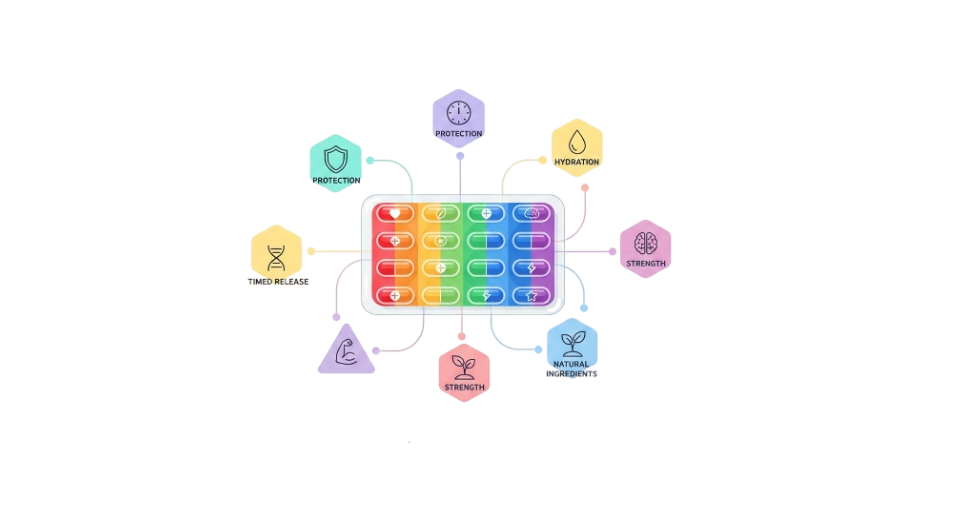
The report “Pharmaceutical Packaging Market By Material Type (Plastic, Glass, Metal, Paper & Paperboard, Others), By Packaging Type (Bottles, Blister Packs, Vials, Ampoules, Pouches & Sachets, Others) and By End User (Hospitals & Clinics, Retail Pharmacies, Online Pharmacies, Pharmaceutical Manufacturers)” is expected to reach USD 215.00 billion by 2033, registering a CAGR of 6.50% from 2026 to 2033, according to a new report by Transpire Insight.
The global pharmaceutical packaging market has been expanding enormously. This is especially true as there is an increase in the demand for biologics, vaccines, and specialty drugs. It is because these medicines require specialized packaging materials that ensure the stability, sterility, and safety of these medicines. Primary packages like bottles, vials, ampoules, and blister packs are the ones that are in direct contact with the medicine. This provides the advantages of having secondary packages like cartons and labels. The regulatory bodies like the FDA, EMA, ISO, etc., are responsible for maintaining high standards regarding safety, quality, and traceability. The increasing use of e-pharmacy and home health care is also another reason for the increasing demand for convenient, lightweight, and tamper-evident packaging products. Bottles and pouches made from plastic materials are increasingly being used for convenient transportation and cost-effectiveness; however, glass vials and ampoules remain crucial for the packaging of injectables, biologics, and vaccine products. Sustainability issues have given rise to the use of eco-friendly packaging materials such as bioplastics and recyclable paperboard in Europe and North America.
Other factors contributing to market growth includes the increase in chronic disease prevalence as well as the aging population, leading to an improvement in the consumption of various prescription and over-the-counter drugs. Child-resistant closures, prefilled syringes and high-barrier blister packs are packaging innovations that enhance patient compliance and safety, further boosting demand. Strategic investments by top companies into automation, material innovation and regional production capacities are strengthening value chains and widening market reach throughout North America, Europe and Asia Pacific. The industry of pharmaceuticals packaging is continuously developing, balancing regulatory compliance, technological innovation, and sustainability. Continuous growth in generic and specialty pharmaceuticals, together with increased healthcare awareness and the adoption of e-commerce, ensures that demand for reliable, efficient and eco-conscious packaging solutions will be high across world markets.
The Plastic segment is projected to witness the highest CAGR in the Pharmaceutical Packaging during the forecast period.
According to Transpire Insight, Plastic materials lead in the pharmaceutical packaging sector owing to their variability, cost-effectiveness, and lightweight properties that make them widely used in bottles, vials, and pouches. These properties ensure easy handling during transportation and permanence. Plastic is variable in that its properties can be easily altered to suit tamper evidence and child resistance in conformity with critical markets. Other major advantages include innovation in green plastics in North America and Europe and cost-effectiveness in Asia's volume production. The favorable trends in regulations in line with recurrent pharmaceutical packaging in recycled and biodegradable plastics ensure growth in plastic packaging materials.
Similarly, plastic packaging is also contributing to the rising e-pharmacy business as well as home healthcare by providing end users with convenient, light-weighted, yet strong packaging. This is because plastic packaging material is widely used in both primary as well as secondary packaging, thereby increasing stability and accuracy in providing end user safety. Also, as advancements in coating have led to the use of multi-layered plastics for the safe storage of biological samples, this product is going to be used for R&D in environmental compliance.
The Bottles segment is projected to witness the highest CAGR in the Pharmaceutical Packaging during the forecast period.
Bottles remain at the forefront in terms of packaging in the pharmaceutical industry. Bottles are commonly used to pack liquid preparations, syrups, and tablets. Plastic bottles are used in cost-sensitive and high-volume applications, while glass bottles are typically selected to meet the needs of injectables and high-value biologics. The adaptability of bottles permits the incorporation of features like child resistance, tamper evidence, and dosing convenience into pharmaceutical containers. The e-pharmacy industry is expanding its footprint in different regions. Online drug delivery services also demonstrate growing demand for bottles due to their durability.
The market demand for bottles can be further fueled by the increasing rate of chronic diseases, prescription drug use, and home healthcare offerings. The sophisticated design of bottles, allowing for easy dispensing, dosage, and longer shelf life, helps manufacturers create niche markets in an increasingly competitive field. Automation of filling, labeling, and packaging equipment minimizes costs while improving efficiency, thereby meeting increasing market demands quickly. The main end markets, retail pharmacy, hospital, and pharmaceutical manufacturing, make bottles an important segment of an existing and emerging market.
The Hospitals & Clinics segment is projected to witness the highest CAGR in the Pharmaceutical Packaging during the forecast period.
According to Transpire Insight, Hospitals and clinics continue to be the major end-users of pharmaceutical packaging, driven by their inherent high use of injectables, sterile solutions, and specialty products. The overall need to utilize prefilled syringes, vials, ampoules, and tamper-evidencing packaging to ensure sterility is the key driver of high-end primary pharmaceutical packaging solutions, particularly in North America and Europe, while the Asia Pacific region concentrates on providing efficient, cost-effective solutions to cater to the ever-growing demand for infrastructure in healthcare applications.
Similarly, hospital and clinic needs can also affect packaging design and innovation in terms of safety and accuracy. The rising incidence rate of chronic and lifestyle diseases is also resulting in more drug administrations in clinics and hospitals; consequently, this is further driving demand for high-performance packaging. Strong partnerships in strategic supply chain relationships help in promoting sustainable and eco-friendly materials in line with hospital sustainability needs.
The North America region is projected to witness the highest CAGR in the Pharmaceutical Packaging during the forecast period.
North America occupies the position of having the largest market share in the global market for pharmaceutical packaging owing to its established medical infrastructure, regulatory scenario, high demand for biological drugs, and the use of specialty drugs. North America shows high demand for glass vials, plastic bottles, blister packs, prefilled syringes, etc., driven by the regulatory need for safety, sterility, and other anti-counterfeiting requirements. Its advanced manufacturing capabilities, automation, and environmental initiatives also cement its position in the market. High patient awareness, extensive electronic pharmacy penetration, home healthcare, etc., also contribute to the demand for innovative, user-friendly, and transportable packaging formats.
The overall demand for the market in North America is further fueled by strategic investments in R&D and infrastructure by the global as well as regional players. Sustainability guidelines with the focus given on using eco-friendly materials and recyclable materials for the packaging of drugs complement the strategies well. Additionally, the investments made in using barrier coatings and tamper-evident coatings contribute well toward the integrity of the drugs. The region has major players in the pharmaceutical industry as well as the production of biologics, ensuring sustained demand for packaging materials.
Key Players
The top 15 players in the Pharmaceutical Packaging market include Amcor plc, Gerresheimer AG, West Pharmaceutical Services, Inc., Schott AG, AptarGroup, Inc., SGD Pharma, Berry Global, Inc., CCL Industries, Inc., Becton Dickinson & Company, Comar, LLC, Vetter Pharma International, WestRock Company, Drug Plastics Group, International Paper, and Catalent Pharma Services.
Drop us an email at:
Call us on:
+91 7666513636

 inquiry@transpireinsight.com
 APAC:+91 7666513636
 Address





