
Feb 11, 2026
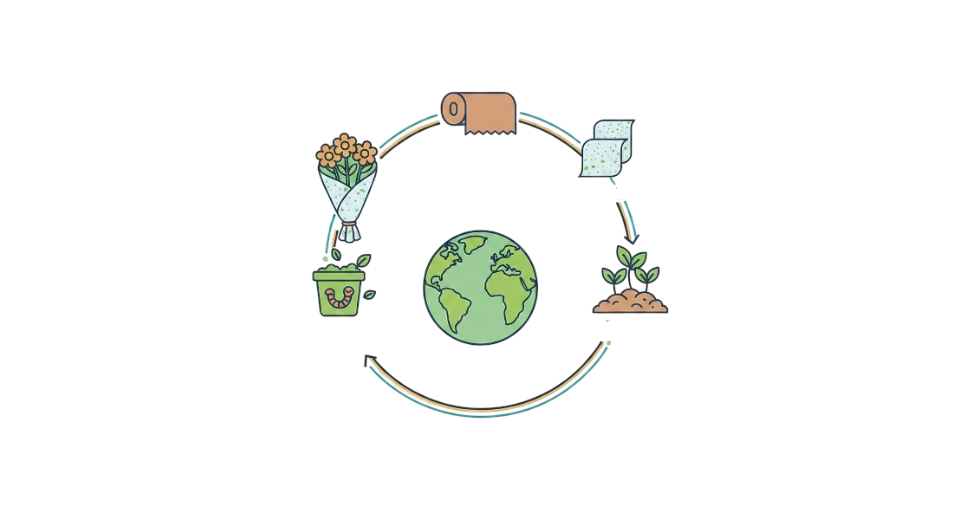
The report “Biodegradable Cut Flower Packaging Market By Material Type (Paper & Paperboard, Biodegradable Plastics, Natural Fibers, Molded Pulp, Others), By Product Type (Sleeves, Wraps, Boxes & Cartons, Bags & Pouches, Inserts & Holders), By Application (Roses, Carnations, Tulips, Chrysanthemums, Mixed Flowers, Others) and By End User (Direct Sales, Distributors & Wholesalers, Online Channels)” is expected to reach USD 1.10 billion by 2033, registering a CAGR of 12.60% from 2026 to 2033, according to a new report by Transpire Insight.
The market for biodegradable cut flower packaging has been recording steady growth, and the importance of sustainability has come to dominate the entire flower trade. As more environmental regulation comes into place, prohibiting the use of plastic in flower packaging, and the awareness of consumers about the importance of using "friends of the environment" grows, flower traders and exporters have increasingly turned their attention to biodegradable flower packaging. Demand for biodegradable packaging is further backed by the increased rate of growth of the flower trade around the world, coupled with an increase in flower usage as a means of gifting, for external events, and as a decorating medium. Retail supermarkets are increasingly using this type of packaging as a means to achieve corporate sustainability objectives, and this is changing innovation in paper packaging, pulp packaging, and biodegradable plastics at large.
More importantly, biodegradable material technology is improving-moisture resistance, structural strength and transparency that are enabling wider adoption across retail and logistics applications. Packaging solutions that preserve freshness while maintaining visual appeal are becoming increasingly important particularly for premium flower segments. Similarly, manufacturers have invested in lightweight and customizable packaging formats that help improve transportation efficiency and reduce overall material usage. While the influx of sustainability initiatives in retail, agriculture, and packaging industries continues to build up, the market outlook remains positive. Greater collaboration between packaging producers and flower distributors is facilitating the development of application-specific biodegradable solutions. This is expected to sustain long-term demand for biodegradable cut flower packaging across global markets with a growing emphasis on circular economy practices and environmentally responsible sourcing.
The Paper & Paperboard segment is projected to witness the highest CAGR in the Biodegradable Cut Flower Packaging during the forecast period.
According to Transpire Insight, Paper/paperboard is at the top of the list of material segments. This can be ascribed to their emphasis on sustainability mandates as well as compliance with regulations in broad floral markets. This material ensures product recyclability, along with cost savings, making it appropriate for mass market distribution. Its breathable nature also makes sure that flowers are fresh while, at the same time, maintaining strength in the packaging.
In addition, paper-based packaging materials provide the ability for branding and visual presentation, which has become an important factor in the marketplace and for gifts. Ongoing advancements in coatings have helped provide improved resistance to moisture and durability. This enables the substitution of paper-based packaging materials with conventional plastic materials for applications. The presence of recycled materials and existing infrastructure reinforces the position of the dominant portion of the biodegradable cut flower packaging industry.
The Sleeves segment is projected to witness the highest CAGR in the Biodegradable Cut Flower Packaging during the forecast period.
Sleeve products will continue their dominance since they are practical for protecting the stems while ensuring product visibility at the retail level. They provide an efficient balance in offering protection and presentation, facilitating handling easily along the chain of distribution. Retailers prefer biodegradable sleeves since they support sustainability commitments with maintained operational efficiency at high flower sales volumes.
The growth in the consumption of ready-to-display format packaging in supermarkets and convenience stores is also contributing to increased demand for biodegradable sleeves. Their biodegradability, which can be made compatible with both paper and compostable plastic materials, allows manufacturing at cost-effective and scalable methods. Increased demand for aesthetically appealing yet environmentally friendly packaging in gifting and seasonal flower sales continues to reinforce the strong market position of this segment.
The Roses segment is projected to witness the highest CAGR in the Biodegradable Cut Flower Packaging during the forecast period.
According to Transpire Insight, The roses represent the leading segment due to their consistent demand and strong association as a gift item or ceremony. For high trade volume, the packaging solutions have to be of the best to ensure the items are not damaged by the time they reach their destinations or during exhibitions. There is an increasing trend towards the adoption of biodegradable packaging in the roses segment.
In addition to that, premium varieties of roses necessitate packaging that aids in improved aesthetics coupled with improved durability. This factor creates a demand for premium quality biodegradable products. Given that sustainable gifting trends, coupled with green-compliant consumers, are becoming increasingly popular, flower retailers are using compostable materials for covering roses. This trend accounts for the continued dominance of this segment.
The Direct Sales segment is projected to witness the highest CAGR in the Biodegradable Cut Flower Packaging during the forecast period.
Direct sales dominate the distribution channel segment, with large flower growers, exporters, and retail chains showing a preference for direct procurement of packaging materials in pursuit of customization and assured regular supply. This channel provides a niche to packaging manufacturers to offer customized solutions based on the type of flower, transport, and brand identity requirements. Bulk buying further streamlines the economics of large-scale flower operations. The direct sales model allows for more collaboration between packaging producers and floral suppliers, facilitating innovation and faster adoption of biodegradable materials. With larger retailers and exporters having prominent sustainability targets, the trend of direct partnerships with vendors is on the rise to ensure conformance with environmental standards. This is likely to continue the strong presence of direct sales in the market.
The North America region is projected to witness the highest CAGR in the Biodegradable Cut Flower Packaging during the forecast period.
The region of North America offers a large market share for biodegradable cut flower packaging products due to enhanced regulatory requirements related to reducing single-use plastics and increasing sustainability commitments from retailers/floral distributors. As such, the U.S. dominates this regional market due to high flower consumption rates coupled with existing flower delivery infrastructures. The increased focus from supermarkets/floral retailers centered on adopting paper-based cut flower packaging products can be attributed to enhanced corporate sustainability commitments. Additionally, this development can be attributed to enhanced awareness levels among flower consumers regarding responsible purchasing habits.
Moreover, there is significant innovation in terms of green packaging materials and the presence of key players in packaging creating a strong impact on the regional market. Organizations in North America are making significant investments in developing packaging materials which are not just recyclable and biodegradable but also provide better moisture resistance with enhanced protection while maintaining compliance with ecological practices. In the case of Canada and Mexico, there is a slow pace of adaptation to the implementation of enhanced sustainability standards as a result of changes to export requirements. The synergy between packaging suppliers and flower distributors is favorably impacting implementation for biodegradable packaging materials.
Key Players
The top 15 players in the Biodegradable Cut Flower Packaging market include Mondi Group, Smurfit Kappa Group, DS Smith Plc, UPM-Kymmene Corporation, International Paper Company, WestRock Company, Stora Enso Oyj, Huhtamaki Oyj, Ranpak Holdings Corp., Coveris Holdings S.A., Amcor plc, Klabin S.A., Sealed Air Corporation, Sonoco Products Company, and Packaging Corporation of America.
Drop us an email at:
Call us on:
+91 7666513636

 inquiry@transpireinsight.com
 APAC:+91 7666513636
 Address





