
Jan 02, 2026
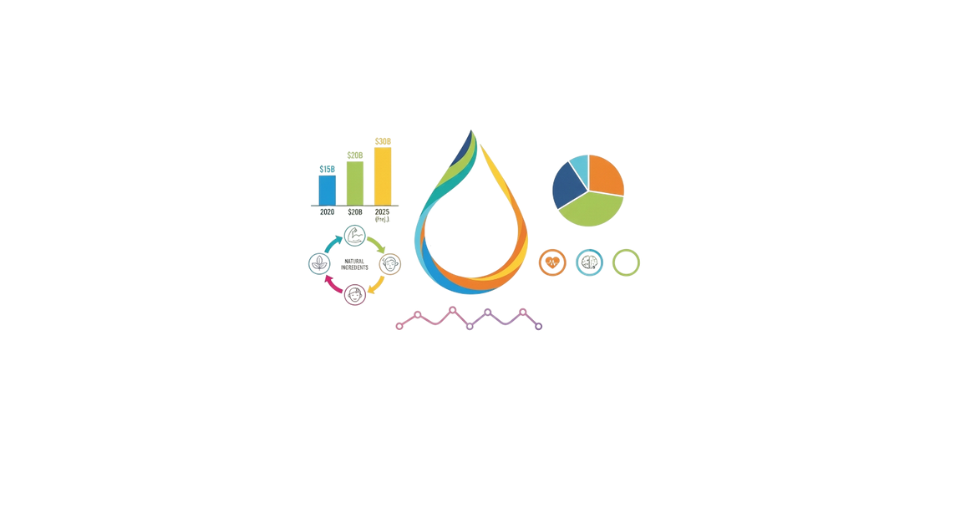
The report “Liquid Dietary Supplements Market By Product Type (Vitamins & Minerals, Herbal & Botanical Extracts, Protein & Amino Acid Supplements, Omega-3 Fatty Acids, Others), By Formulation(Ready-to-Drink, Power to Liquid), By End-Users (Adults, Sports & Fitness Enthusiasts, Pediatrics, Geriatrics), By Distribution Channel(Retail, Online, Direct Sales)” is expected to reach USD 64.10 billion by 2033, registering a CAGR of 11.51% from 2026 to 2033, according to a new report by Transpire Insight.
The liquid supplement scene includes drinkable items packed with vitamins, minerals, herbs, and protein, along with similar nourishing elements, simple to take, and quick to absorb. Many pick these instead of pills because they go down easier, work faster, especially for those struggling with swallowing or digestion issues. Due to growing interest in wellness and tailored eating habits, this category is seeing steady growth worldwide.
Demand for liquid supplements grows as people focus more on staying healthy before problems arise, looking for quick ways to cover their nutrition every day. Because life moves fast now, many choose drinks they can grab right away, especially if the body absorbs them well, with online shopping making it even easier to get these items. Easy use matters a lot, but so does wanting simpler labels, natural stuff, or things made from plants, all helping this market spread further.
Vitamins and minerals still top the list because they are widely wanted and key for nutrition, whereas spots like Asia-Pacific are growing fast as cities spread, people earn more, and focus on wellness increases.
North America still leads in liquid supplement sales, thanks to strong demand for wellness items and solid supply networks; meanwhile, places like China, India, or Japan are pushing fast growth across Asia-Pacific. Europe stays relevant as more people look into performance-focused eating, whereas areas such as Latin America, plus parts of the Middle East and Africa, gain traction through better store availability and rising awareness around staying healthy before issues arise. New tastes, easier-to-use forms, along with benefits aimed at immunity, digestion, or athletic recovery, keep guiding how brands design offerings and stand out from rivals.
The Vitamins & Minerals segment is projected to witness the highest CAGR in the Liquid Dietary Supplements market during the forecast period.
The vitamins and minerals category is expected to grow fastest in the liquid supplement industry over the coming years. This surge comes from the wide appeal and the vital role these nutrients play every day. Because they are easier to absorb quickly and simpler to take, people now lean more toward liquid forms, especially kids, older adults, or anyone struggling with pills. Instead of tablets, many go for multivitamin drinks, fluid vitamin D, iron mixes, calcium solutions, or formulas that support immune health, choices rising in popularity as folks focus on staying healthy before issues arise.
Growth here gets a boost from more people recognizing vitamin shortages, health problems tied to daily habits, or wanting stronger immune systems after the pandemic. Firms keep experimenting - think clear labels, no sugar, made from plants, loaded with nutrients, all turned into drinks that taste better thanks to added flavors. On top of that, stores and online sales across North America help spread these products fast, while rising interest in Asia-Pacific pushes uptake even higher. All this makes vitamins and minerals the quickest-rising category among drinkable supplements.
The Ready-to-Drink segment is projected to witness the highest CAGR in the Liquid Dietary Supplements market during the forecast period.
According to Transpire Insight, the Ready-to-Drink category is expected to grow fast in the liquid supplement space over the coming years due to more people wanting quick, portable ways to stay nourished. These no-mix formulas skip prep time, which pulls in city dwellers, office workers, and gym lovers alike. Because they are simple to use and deliver exact amounts every time, ready-made options are now top picks for everyday nutrients, protein boosts, and health-focused beverages.
Growth in the ready-to-drink category gets a boost from new flavors, updated containers, and drinks that help immunity, give energy, support digestion, or aid workouts. Companies now focus on simpler ingredients, less sugar, plant-powered mixes, matching what buyers want today. On top of that, easier access via grocery shops, corner stores, and online sites, especially across North America and parts of Asia, pushes more people to try them, helping RTD stand out as one of the quickest-rising choices among liquid supplement options.
The Adults segment is projected to witness the highest CAGR in the Liquid Dietary Supplements market during the forecast period.
The adult group’s expected to take the biggest chunk of the liquid supplement market and grow fast over the coming years, thanks to more focus on staying healthy before problems start, balanced nutrition, and managing health through daily habits. Many grown-ups use these liquid products to boost immunity, gain energy, support joints and bones, or just feel better overall; they often pick liquids because they are simpler to swallow and get into the body quicker than pills.
Growth here gets a boost from hectic jobs, more stress, or simply people sticking to daily wellness habits as they age. Companies now focus on grown-ups using customized drinkable options like multi-vitamin syrups, liquid D plus calcium mixes, omega combos, or beverages aimed at brain function and energy burn. Wide availability in drugstores, grocery chains, or e-commerce sites - particularly across North America or big cities in Asia - keeps this adult group leading the liquid supplement scene.
The Retail segment is projected to witness the highest CAGR in the Liquid Dietary Supplements market during the forecast period.
According to Transpire Insight, the retail side is expected to stay on top for selling liquid dietary supplements going forward due to shoppers trusting it more, liking that they can get products right away, plus seeing them clearly on shelves. Places like pharmacies, drugstores, big grocery shops, and niche health stores play a major role here; folks tend to buy their liquid vitamins, minerals, or drinkable formulas at these spots because there's advice from pharmacists available while also being able to check different labels and types face-to-face.
Growth in retail gets a boost from bigger store networks, more room on shelves for health-focused products, or flashy deals like price cuts and combo packs. Stores now sell their own brand of liquid vitamins at lower costs, which helps people buy them more easily or try them out. Even though web sales are rising fast, physical shops still lead the way, especially in places like North America or Europe, and stay crucial for reaching new markets in parts of Asia-Pacific and Latin America.
The North America region is projected to witness the highest CAGR in the Liquid Dietary Supplements market during the forecast period.
The North America chunk is expected to stay on top in the liquid supplement scene through the coming years due to people caring more about health, a habit of preventing illness before it hits, along with well-established use of nutrient boosters. Folks here, especially in the United States, lean heavily toward liquids since they are easy to take, get into the body quicker, and fit smoothly into everyday wellness habits, which helps them catch on fast across categories like vitamins, proteins, or targeted nutrition aids.
Growth in North America gets a boost from solid store networks alongside online sales setups. Product updates keep coming, backed by big-name supplement makers setting up shop across the area. More people want drinks with added nutrients instead of pills. Shoppers lean toward labels they can actually understand. Simple ingredients matter more now. Health goals like stronger immunity or better joint function shape buying choices daily. People have cash to spend, which helps sell more specialized formulas. Interest in staying ahead of health issues grows steadily here. This mix keeps North America central when it comes to profits and fresh ideas in liquid vitamins worldwide.
Key Players
Top companies include Nestle Health Science, Amway, Herbalife Nutrition, Abbott, Bayer AG, Pfizer, Nature’s Bounty Co., Now Foods, DuoLife S.A., BASF, Arkopharma, Glanbia Plc, Sawgrass Nutra Labs, Millmax, Bibiolab, Prionsbiotech, Exden, GFR Pharma, Canyonside Labs, and Others.
Drop us an email at:
Call us on:
+91 7666513636

 inquiry@transpireinsight.com
 APAC:+91 7666513636
 Address





