
Jan 02, 2026
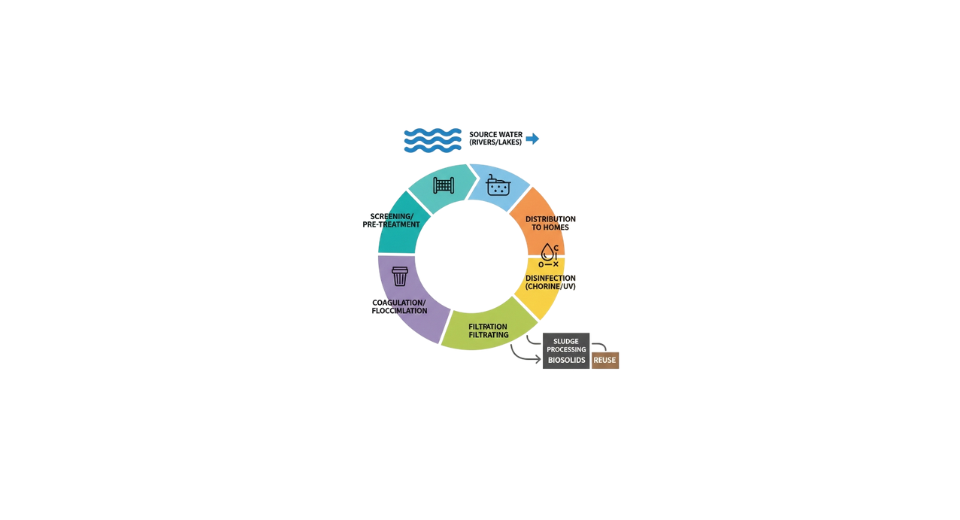
The report “Municipal Water Treatment Market By Technology (Filtration, Disinfection, Chemical Treatment, Sludge Treatment & Handling, Others), By Component(Water Treatment Chemicals, Water Treatment Equipment, Services), By Application(Portable Water Treatment, Wastewater Treatment, Stormwater Management, Industrial Water Reuse), By End-Users (Municipal Corporations, Industrial Users, Residential and Commercial)” is expected to reach USD 181.10 billion by 2033, registering a CAGR of 4.29% from 2026 to 2033, according to a new report by Transpire Insight.
More people living in cities pushes the need for better water systems around the world. Because populations grow, towns must provide cleaner drinking water. Local governments spend more on modern setups to follow tight rules about water quality. These systems handle what comes out of taps and what goes back as waste. Different methods like filtering, killing germs, adding chemicals, or dealing with leftover solids help keep things running. Each part plays a role - some make water safe to drink, others manage dirty runoff after use. How well they work affects how much money flows into updates and repairs across regions. Equipment choices depend on location, laws, and existing pipelines beneath streets. Long-term planning shapes which tech gets picked over time. Aging networks push some areas to act fast while newer ones build smarter from the start. Success often hinges not just on the tools used but on how crews maintain them daily. Unexpected weather or pollution spikes can change demands overnight. Progress varies from place to place based on budgets and political will behind decisions. What works today might shift when regulations evolve tomorrow. Keeping water clean is tied closely to health outcomes and basic services offered by city leaders. Challenges remain even where funding exists because logistics slow progress. Still, movement toward safer supplies continues step by step. Old approaches fade as data helps guide new investments wisely. Outcomes reflect deeper priorities within communities beyond mere compliance. Water remains essential regardless of trends shaping other sectors.
Fueled by growing unease about dirty water, tighter rules on waste disposal, and worn-out pipes in cities, the business of cleaning municipal water keeps moving. Where populations boom and factories rise, more wastewater flows and needs processing. Places with strict cleanliness targets push upgrades to meet legal benchmarks. Health matters more now; people see the stakes. That shift nudges towns toward tools like thin-layer filters, ultraviolet zaps, or mixtures that neutralize contaminants. Progress is not loud; it slips in through quiet shifts in habit and law.
Stable progress shapes North American and European markets, fueled by rules, updated systems, plus new tech use. China and India push Asia Pacific ahead, where cities grow fast, factories need cleaner waste handling, and public spending boosts water networks. In Latin America, along with parts of Africa and the Middle East, fresh chances emerge as aging pipes get replaced, and smarter water methods take root. New ideas in technology, backed by policy moves and stronger public need, keep momentum alive in city-level water cleaning through the years ahead.
The Filtration segment is projected to witness the highest CAGR in the Municipal Water Treatment market during the forecast period.
According to Transpire Insight, Fueled by a rising push for drinkable water and better waste processing, filtration stands out as the fastest-growing part of city-based water cleaning efforts. What keeps it moving forward is the widespread use of methods like sand filters, membrane setups such as micro and ultra variants, and even layered tech combos. These tools pull debris, harmful microbes, and pollutants from supply lines in urban zones. Pushed along by tighter rules on what counts as safe water, towns everywhere now lean heavily on steady purification fixes. Growth shows up clearly where infrastructure demands meet health-driven policy shifts.
Fueled by swelling cities and rising industry, demand for better filtration keeps climbing. As more people learn how germs spread through dirty water, pressure builds on local systems to improve. Some towns now shift toward smarter membranes that clean larger volumes using less power. Instead of relying on heavy chemicals, these setups operate more cleanly thanks to modern design choices. Backed by national support, especially where infrastructure lags behind need, progress moves faster than before. Where budgets once blocked change, fresh funds open doors to stronger solutions. With each upgrade, this part of the water work outpaces the rest.
The Water Treatment Equipment is expected to witness the highest CAGR in the Municipal Water Treatment market during the forecast period.
Not far behind, the part handling dirty city water should grow quickly in the coming years. Tougher rules on what can be released into nature push change. More people living in cities means more needs to be managed. Reusing treated water gains attention across regions. Equipment using natural processes to clean waste becomes a go-to choice. Membrane-based methods also see wider adoption. Utilities aim for cleaner output than before. These upgrades help close the loop on water supply chains.
Fueled by worries about dirty air and sick communities, cities grow fast, pushing demand for better sewage systems. Rules now push local governments to fix or enlarge these networks. Tech like sensors and auto-controls step in, helping plants run more smoothly while meeting legal standards. This gear becomes central, lifting the entire water cleanup industry's rise.
The Portable Water Treatment segment is projected to witness the highest CAGR in the Municipal Water Treatment market during the forecast period.
With more people moving into cities, the need for clean drinking water keeps growing. Because of worries about pollution and germs in source water, towns are turning to better ways to purify it. Instead of old methods, many local governments now choose modern techniques like membrane filters and reverse osmosis. These upgrades help meet tough safety rules set by health agencies. Around the world, city planners are putting money into full-scale treatment setups that work consistently. Making sure tap water stays safe has become a top priority wherever populations rise.
Pushed by rules aimed at protecting public health, one reason behind the fast growth lies in smarter tech like automated monitoring that keeps water systems running smoothly. Government cash pouring into pipe fixes plays a part too, quietly shaping how clean water gets handled worldwide. Because of this mix, providers are shifting toward new ways of treating drinking water not just to save power but also to catch pollutants nobody noticed before, whether in wealthy nations or developing regions.
The Municipal Corporation segment is projected to witness the highest CAGR in the Municipal Water Treatment market during the forecast period.
According to Transpire Insight, around cities and their edges, town councils take charge of clean water supply plus sewage handling. This duty pushes them to spend heavily on systems that meet tough rules tied to safety and nature's balance. Growing faster than most users in this field, these city-run groups rely on updated methods simply because laws demand it, nothing more.
City expansion pushes changes here. More people mean more pressure on water services. Demand grows for clean, steady supplies. Older systems now need updates. Officials look at modern fixes such as filter membranes and ultraviolet cleaning. Digital tools help manage flow and quality. Public projects get stronger support through state money. Joint efforts between cities and private firms speed up progress. These shifts shape how towns handle water today.
The North America region is projected to witness the highest CAGR in the Municipal Water Treatment market during the forecast period.
Across North America, city-run water cleaning operations rank among the biggest worldwide. Strong networks already in place help keep things running smoothly. Tough rules about clean drinking water push constant updates to how plants operate. Old pipes and outdated treatment centers demand attention now more than ever. Meeting tighter limits on harmful substances - like lead or chemicals known as PFAS is a growing priority. New tools such as automated sensors and ultra-fine filters are becoming common. Real-time tracking helps managers respond faster to changes. Investment keeps flowing into smarter ways to manage supply lines. Modern upgrades aim to reduce waste while meeting legal requirements. Progress moves steadily thanks to policy support and tech improvements.
Even though it is just one part of the area, the United States drives most of the need because government money flows into cleaning water and fixing aging systems. Elsewhere, Canada and Mexico boost their abilities by updating key facilities and using smaller, local setups that work independently. Together, these moves help North America grow steadily, bringing newer methods into city-level water processing without slowing down.
Key Players
Top companies include Veolia Water Technologies, Suez S.A., Xylem Inc., Pentair Plc, American Water Works Company Inc., Aquatech International LLC, Calgon Carbon Corporation, Stantec Inc., Black & Veatch, Mott MacDonalds, BEWG, OriginWater, WesTech Engineering, Kingspan, Wteinfra, Convotech Engineering LLC.
Drop us an email at:
Call us on:
+91 7666513636

 inquiry@transpireinsight.com
 APAC:+91 7666513636
 Address





