
May 17, 2026
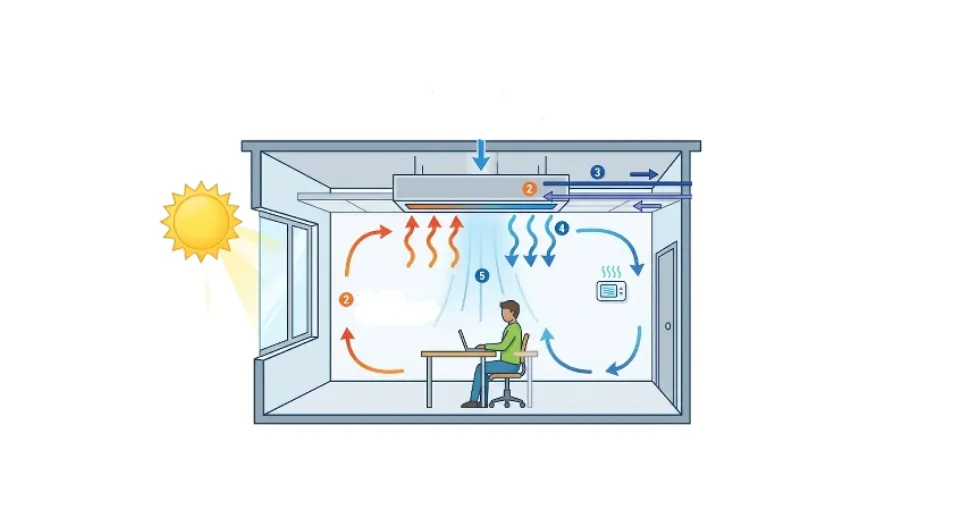
Energy-efficient cooling systems are becoming more important in modern buildings, and this trend is helping the Global Chilled Beam System Market grow steadily. Builders and property owners now focus on reducing energy use while maintaining indoor comfort. Chilled beam systems support these goals by providing efficient cooling with lower energy consumption compared to traditional HVAC systems. The market reached a value of USD 346.2 million in 2024 and is expected to grow to about USD 365.3 million in 2025. By 2033, the market will likely reach nearly USD 518.5 million, expanding at a CAGR of 5.15% during the forecast period.
Commercial properties will likely continue to fuel extremely high demand in the global chilled beam system market. Offices, hospitals, schools, and larger public buildings really need very reliable indoor cooling systems - systems that not only cool effectively but also help control energy expenses. Chilled beam systems make use of water-based cooling rather than relying heavily on air circulation, making them much more efficient and reducing electric power consumption quite a bit. Many building owners are actually choosing these systems as part of sustainable construction projects nowadays.
Active chilled beam systems are actually the leaders in the global chilled beam system market and make up roughly 64% of total demand. These systems combine chilled water with supplied ventilation air to further improve cooling performance. Active systems work pretty well in offices and commercial spaces where cooling demands change quite a bit during the day. Their ability to deliver very effective temperature control while still using lower amounts of energy makes them very highly popular indeed.
Passive chilled beam systems also play a pretty big role in the market itself. These systems cool spaces mostly through natural air movement - without needing any additional fans. Passive systems operate quite quietly and use even less energy - making them really suitable for areas that call for really low noise levels like libraries, hospitals, and classrooms. Multi-service chilled beam systems are also getting a lot of attention lately, as they integrate cooling, lighting, and some other building services all into a single unit.
Office buildings are one of the largest application segments in the global chilled beam system market. Modern offices really aim to create really comfortable indoor environments while lowering their operational costs. Chilled beam systems help maintain very stable temperatures and improve indoor air quality quite a bit. Many companies actually prefer these systems because they support green building certifications and energy-saving goals quite a bit.
Hospitals and educational facilities also really contribute to market growth. Hospitals require very reliable indoor climate control to support patient comfort and healthcare operations. Educational buildings such as schools and universities use chilled beam systems to create a better learning environment - all while reducing energy expenses. These factors really continue to support even wider adoption across all sorts of different building types indeed.
Construction firms and HVAC providers stay right at the center of the Global Chilled Beam System Market. Construction companies are starting to include chilled beam systems much more often in modern building plans - particularly in commercial and high-performance projects. HVAC providers focus even more on advanced cooling solutions that really do improve efficiency and support those all-important environmental goals. Facility managers and building owners keep on investing in these systems to cut down maintenance costs and improve their buildings' energy performance way in the long run.
Europe has a really strong spot in the Global Chilled Beam System Market since the region focuses so heavily on building more energy-efficient structures and adheres quite closely to environmental regulations. Many European countries actually promote sustainable building practices and low-energy HVAC systems quite a bit. North America also shows some steady growth as commercial building projects take on energy-saving technologies more and more. The Asia Pacific area continues to get noticed quite a lot more because of the rapid urban development and growing construction activity there.
Advances in technology really continue shaping the Global Chilled Beam System Market. Manufacturers now design systems with better airflow control, advanced sensors, and significant improvement in energy performance itself. Smart building technologies also really support the use of chilled beam systems by enabling automatic temperature management and energy monitoring. These developments really help improve comfort levels and operational efficiency itself.
The increasing interest in lowering our carbon emissions actually really supports the Global Chilled Beam System Market. A whole lot of organizations now aim to lower their environmental impact through sustainable building solutions themselves. Chilled beam systems can help reduce your energy consumption and support environmentally friendly building operations - this really does align itself with our global efforts to improve energy efficiency in commercial infrastructure itself.
Key companies operating in the Global Chilled Beam System Market include Halton Group, TROX GmbH, Swegon Group AB, FläktGroup, Johnson Controls, Daikin Industries, Ltd., Carrier Global Corporation, Trane Technologies, Lindab Group, Zehnder Group, Systemair AB, Titus HVAC, Krueger-HVAC, Price Industries, and WaterFurnace International. These companies focus on product innovation, energy-efficient technologies, and advanced HVAC solutions to strengthen their position in the market.
Rising demand for sustainable buildings, increasing energy costs, and growing awareness about environmental performance will continue to support the Global Chilled Beam System Market in the coming years. As construction projects focus more on efficient cooling systems and indoor comfort, chilled beam technology will remain an important part of modern building design.
Drop us an email at:
Call us on:
+91 7666513636

 inquiry@transpireinsight.com
 APAC:+91 7666513636
 Address





