
Jan 02, 2026
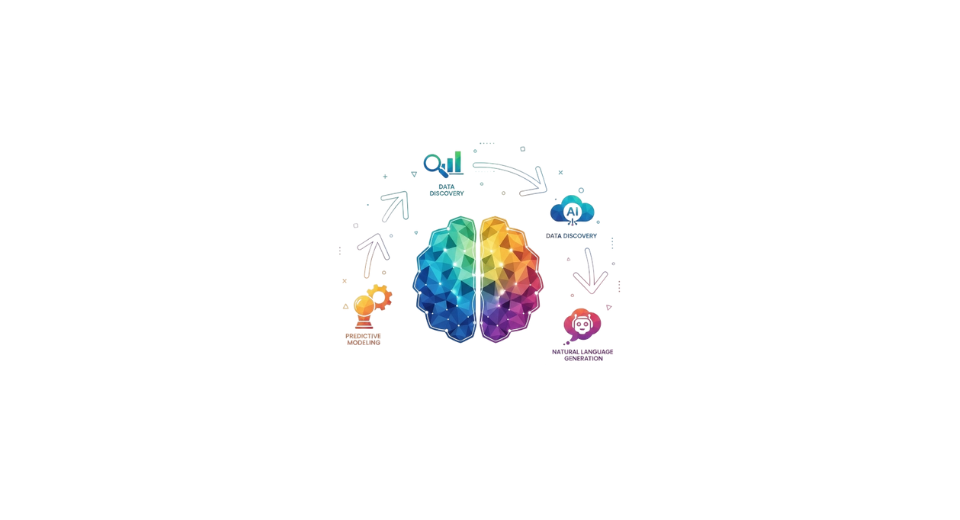
The report “Augmented Analytics Market By Component (Software, Services), By Deployment Mode(Cloud, On-Premises), By Organization Size (Large Enterprises, Small & Medium Enterprises), By Application (Customer Analytics, Risk & Compliance Management, Financial & Performance Analytics, Operation Analytics, Others)” is expected to reach USD 195.98 billion by 2033, registering a CAGR of 28.00% from 2026 to 2033, according to a new report by Transpire Insight.
Augmented Analytics is not just another tech trend; it is reshaping how companies handle data, thanks to smart algorithms doing heavy lifting behind the scenes. Instead of humans sifting through spreadsheets, machines now detect patterns using techniques like NLP and predictive modeling. Think of it as an invisible assistant scanning messy datasets, both clean tables and wild social media posts with equal ease. From startups to giants, businesses rely on these systems to cut guesswork when making choices. Tools that learn over time, adapting to new info without constant reprogramming. Find ready-to-use software packages alongside teams helping clients set them up properly. Support doesn’t stop at installation; guidance continues long after launch.
Fueled by a growing reliance on data, companies now lean heavily on augmented analytics. As decisions shift toward evidence-based paths, diverse sectors integrate tools that decode customer actions. These systems help fine-tune daily workflows while keeping risks in check. Instead of waiting, live predictions shape strategy moments after events unfold. For big corporations already deep into digital transformation, such capabilities sharpen their stance in tight markets. Popularity climbs because foresight beats hindsight when staying ahead matters.
What is happening now is that technology keeps shifting how things work across industries. Moving systems online opens doors, machines handle routine tasks, smart software helps people see patterns these changes help more organizations take part. Even smaller companies are starting to bring such tools into their daily operations just to run more smoothly. They track buyers' behavior, stay within legal rules, watch money flow, measure results, and fine-tune workflows, all using one set of connected methods. This blend is becoming essential for making sense of data in today’s business world.
The Software segment is projected to witness the highest CAGR in the Augmented Analytics market during the forecast period.
According to Transpire Insight, Software might grow fastest in augmented analytics soon. Rising use of artificial intelligence tools helps machines study information on their own, spotting useful patterns. Instead of waiting weeks, companies get clear guidance from messy data, organized or not. Predictions and smart recommendations pop up more often now. That shift sharpens choices in sales, operations, and even HR.
A rising need for instant insights, clearer data visuals, one after another. Firms now turn to both cloud and local augmented tools, not just for show but to fine-tune daily work. These systems help connect better with users while shaping long-term moves. That push has made software climb faster than any other part of the field.
The Cloud-Deployment segment is projected to witness the highest CAGR in the Augmented Analytics market during the forecast period.
The cloud side pulls ahead. Scaling up feels easier when not tied to physical servers. Flexibility shows up naturally; teams adjust on the move. Spending less at the start matters more than before. Firms tap into powerful analysis features straight away. No need to build everything from scratch. Setup time shrinks fast. Different departments link together smoothly. This momentum builds through shared access. Expansion happens quietly, behind the scenes. Performance climbs without loud announcements. Infrastructure stays out of the way. Work flows where it needs to go. Adoption spreads step by step. Results emerge steadily. Expectations shift over months. Progress sticks around. Long-term gains take root slowly. Momentum does not stop there. Demand grows under the surface. More users join without fanfare. Tools become part of daily routines. Efficiency improves bit by bit. Change arrives without drama. Quiet evolution wins here.
Fueled by shifting work patterns, businesses now lean on cloud-powered analytics more than before. With teams spread out, having live access to information makes decisions faster. Instead of waiting, workers pull insights whenever needed. This shift isn’t just about location; it reshapes how data flows across departments. Cloud setups allow smoother teamwork, even across time zones. Managing databases becomes simpler when everything lives online. Growth does not stall because scaling happens on demand. Gradually, this way of working pushes older systems aside. Speed and flexibility give it an edge over traditional methods. As a result, most new investments go toward these modern platforms.
The Large Enterprises segment is projected to witness the highest CAGR in the Augmented Analytics market during the forecast period.
According to Transpire Insight, Big companies will likely see the strongest rise in using augmented analytics tools over the coming years. Their need for handling complicated information pushes this trend forward. Money is less of a barrier because they have a large spending capacity on high-end analysis systems. These firms now lean heavily on artificial intelligence to study massive amounts of organized and messy data alike. This shift helps them make better choices quickly throughout different departments. Growth comes not just from tech access but from real operational demands.
Big companies are putting more weight on using data to guide decisions, work smarter, cut waste, while tuning closely to what customers want. Because these organizations can weave advanced analytics into their current tech systems fairly smoothly, they pull ahead. Their capacity to apply forecasting and smart recommendations across vast operations keeps them in front. This group shapes how tools evolve, influencing wider business practices without needing flashy promises or quick fixes.
The Customer Analytics segment is projected to witness the highest CAGR in the Augmented Analytics market during the forecast period.
Right now, more companies want to get a clearer picture of how customers act, what they like, and how they interact. That push is making Customer Analytics grow faster than other parts of the Augmented Analytics market. Machines help sort through massive piles of user information. Insights pop up where people might miss them. Decisions start relying less on guesses and more on facts pulled from usage trends. Marketing plans shift based on real signals. Product choices respond directly to individual needs. Experiences feel more tailored over time. All of it ties back to smarter analysis behind the scenes.
Fueled by tighter rivalry, businesses now push deeper into tailored customer strategies that deliver clear results. Because of this shift, tools using enhanced data analysis see higher demand across customer-focused tasks. Instead of guessing, firms act on forward-looking signals to refine how they attract, keep, and reward clients. This move turns customer analytics into the most rapidly expanding area within the field.
The North America region is projected to witness the highest CAGR in the Augmented Analytics market during the forecast period.
Ahead of most others, North America pushes forward in Augmented Analytics due to modern factories and a quick move toward new tech tools. Driven by sectors like car making, aviation, gadgets, food production, and medicine, companies there rely more on automated systems to get work done faster and with fewer errors. Key suppliers setting up shop nearby, plus heavy funding into intelligent factory setups, help keep that momentum going. Growth picks up speed where innovation meets steady support.
Higher wages, not enough workers, tough rules on safety and quality, all these factors are speeding things up. Backed by government support for modernizing industry, bringing production closer to home, and upgrading tech, companies now need more control units, robots, software tools, and adaptable machines. With factories getting smarter using forecasts, real-time data, and fewer surprises, the region will keep shaping how automation grows worldwide.
Key Players
Top companies include Microsoft Corporation, IBM Corporation, SAP SE, Oracle Corporation, Salesforce Inc., Tableau Software, Qlik Technologies, SAS Institutes, TIBCO Software, Sisence Inc., ThoughSpot Inc., MicroStrategy Inc., Alteryx Inc., Yellowfin International, Domo Inc., Board International, Zoho Corporation, Google LLC., and Infor Inc.
Drop us an email at:
Call us on:
+91 7666513636

 inquiry@transpireinsight.com
 APAC:+91 7666513636
 Address





