
Jan 03, 2026
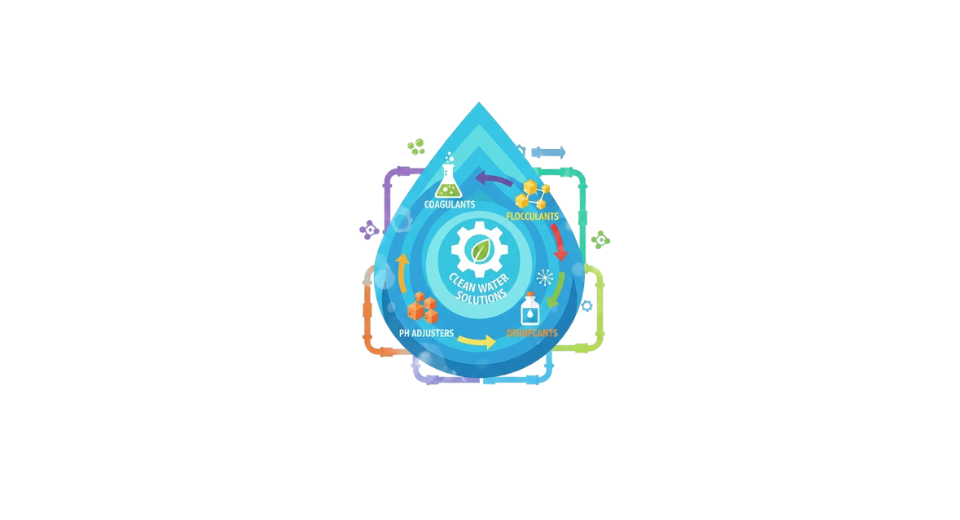
The report “Water Treatment Chemicals Market By Type of Chemical (Coagulants & Flocculants, Disinfectants & Biocides, Corrosion & Scale Inhibitors, PH Adjusters & Neutralizers, Others), By Form(Liquid Chemicals, Powder), By Application (Drinking Water Treatment, Wastewater Treatment, Industrial Water Treatment, Desalination, Swimming Pool & Recreational Water), By End-Users (Municipal, Power and Energy, Oil & Gas, Chemical & Pharmaceuticals, Metal & Mining, Pulp & Papers, Others)” is expected to reach USD 48.74 billion by 2033, registering a CAGR of 3.84% from 2026 to 2033, according to a new report by Transpire Insight.
A fresh push comes from rising worries about dirty supplies; cleaning agents step in where nature falls short. Municipal zones rely on these substances just as much as factory sites do. Contaminants get pulled out by coagulants while flocculants clump them together for easier removal. Disinfectants handle invisible threats, stopping germs before they spread. Corrosion blockers keep pipes intact over time, avoiding leaks. When rules tighten, demand climbs quietly behind the scenes. Shortages make cities pay closer attention now than before. Each stage depends on precise chemical help, even if most never see it happen.
Fueled by growing cities and factories, more waste flows into drains every year. Because regulators now enforce tougher rules on what can be released into rivers, cleaning that waste takes priority. Factories making energy, refining fuels, producing chemicals, or digging minerals need cleaner water processes, so they are using more treatments. As governments back saltwater removal and recycling initiatives, the need for specialized chemicals climbs alongside them.
Not far off, new kinds of cleaner treatment chemicals are making their way into use. Still, expenses stay steep, which slows things down a bit. Rules around environmental protection keep tightening, pushing companies to adapt. Even so, public funding for updated systems helps balance the load. Progress in chemical solutions often follows shifts in policy demands. Behind it all, goals tied to clean water keep guiding decisions. Growth seems likely, just not without bumps along the way.
The Coagulants & Flocculants segment is projected to witness the highest CAGR in the Water Treatment Chemicals market during the forecast period.
According to Transpire Insight, pacing ahead of others, the coagulants and flocculants category is expected to grow fastest in the water treatment chemical sector over the coming years. This boost comes because they pull out floating particles, cloudiness, and natural debris from water effectively. With cities expanding, demand climbs since these substances work heavily in public drinking systems and waste processing plants. Because more people mean more dirty water, reliance on such treatments only deepens.
Facing tighter rules on pollution, industries now need better ways to clean wastewater, pushing up the use of strong coagulants and flocculants. New types made from advanced polymers or greener materials work faster while cutting expenses. Because they perform well and save money, factories keep switching to them, fueling steady market rise.
The Liquid Chemicals segment is projected to witness the highest CAGR in the Water Treatment Chemicals market during the forecast period.
What stands out is how fast liquid chemicals are growing in the water treatment sector. Their rise comes down to being simple to manage, mixing quickly into water systems. Accuracy matters a lot when adding substances, which liquids handle well. Many cities and factories choose them regularly. Fast results help meet strict cleanliness rules without delay. Performance under pressure keeps them in demand.
Better results, simpler handling. Machines that dose automatically are becoming more common, which makes these fluids harder to ignore. Performance gains matter, yes, but so does saving time during daily operations. New tech in water treatment leans heavily on liquid forms, simply because they fit modern setups well. Growth keeps building, not by chance, but through practical advantages others can not match.
The Wastewater Treatment segment is projected to witness the highest CAGR in the Water Treatment Chemicals market during the forecast period.
According to Transpire Insight, Tighter rules on what can be released into the environment are making cities and factories clean their waste more carefully. As industries grow and towns spread out, more dirty water comes out every day. This means a stronger need for reliable chemicals that handle tough pollutants. Growth here beats other areas simply because so much new waste appears constantly.
Fresh funding flowing into pipe repairs gives chemicals like clot-makers and germ-killers more room to work. When cleaner loops matter, pH balancers get a boost too. Push for smarter water use does not slow down; instead, it pulls demand along quietly. Systems rebuilt with reuse in mind open doors where old methods once blocked the way. Growth sticks around because habits shift without fanfare.
The Municipal segment is projected to witness the highest CAGR in the Water Treatment Chemicals market during the forecast period.
With more people moving into cities, local governments now face bigger demands for clean water and better waste handling. Because of this shift, the use of chemicals to treat water is growing faster here than in other areas. Pressure mounts as aging systems require upgrades, pushing communities to act. Rules around safe drinking water get tighter, making compliance essential. At the same time, funding for public works rises, opening doors for new solutions. Towns respond by turning to chemical treatments more often. Growth does not come from policy alone; real needs shape choices on the ground.
Fresh efforts around clean water access, safe waste disposal, plus systems that recycle water wisely, are pushing up the need for substances like coagulants and germ killers in city-run facilities; this helps explain why activity here keeps climbing steadily. Though often overlooked, these chemical helpers play a quiet but vital role behind the scenes.
The North America region is projected to witness the highest CAGR in the Water Treatment Chemicals market during the forecast period.
Expect the North American area to grow fast in water treatment chemical use over the coming years. Tougher rules on pollution push changes across cities and factories. Money flowing into pipelines, plants, and tech helps too. Rising need for smarter cleaning methods shapes choices in towns and industries alike.
Funding pushes for cleaner water systems are gaining ground. Upgraded pipes and smarter recycling methods now get more attention than before. People pay closer attention to what flows through taps these days. Chemical solutions find wider use because of that shift. Across both countries, progress keeps building, not fast, but steady.
Key Players
Top companies include Kemira Oyj, BASF SE, Ecolab Inc., Solenis LLC, Suez, Dow Chemical Company, SNF Group, Akzo Nobel NV, Solvay S.A., Kurita Water Industries Ltd, Buckman Laboratories, Chemtrade Logistics, Aditya Birla Chemicals, BWA Water Additives, Hydrite Chemical Co., and Ion Exchange Ltd.
Drop us an email at:
Call us on:
+91 7666513636

 inquiry@transpireinsight.com
 APAC:+91 7666513636
 Address





