
Feb 17, 2026
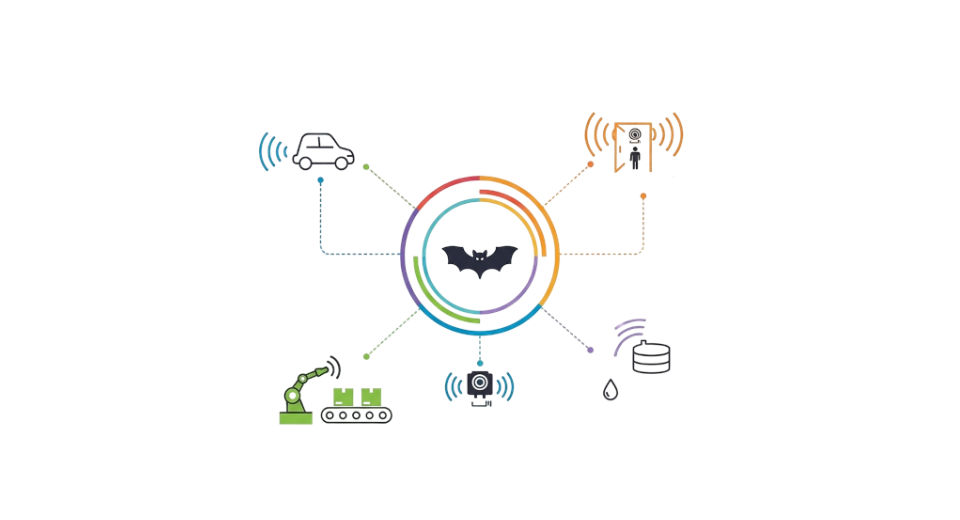
The report “Ultrasonic Sensors Market By Type (Proximity Sensors, Retro-Reflective Sensors, Through-Beam Sensors), By Technology (Contact Type, Non-Contact Type), By Application (Level Measurement, Distance Measurement, Object Detection, Flow Measurement, Anti-Collision Detection), By End-Users (Automotive, Industrial Manufacturing, Healthcare, Food & Beverages, Oil & Gas, Consumer Electronics)” is expected to reach USD 15.80 billion by 2033, registering a CAGR of 11.80% from 2026 to 2033, according to a new report by Transpire Insight.
Sound-based detectors are seeing more use lately because industries want dependable ways to sense things without touching them. Because they send out fast sound pulses, these tools find items and check gaps between objects, one after another. Even when the air has grit, wetness, or poor light, such gadgets keep working where cameras might fail. Tough build plus steady results help them handle many checking jobs. Over time, their role grows in places needing precise tracking.
Finding things, checking how full tanks are, handling packages, and using ultrasonic sensors do these jobs across factories. Because more places now run on smart tech, machines that sense without touching fit right in. These gadgets measure exactly what they need to, yet rarely need fixing. That reliability keeps them useful wherever work happens fast and never stops.
Cars help push the market forward, since ultrasonic sensors handle parking aids, spotting obstacles, while boosting safety setups too. Smaller sensors now pack better tech thanks to sharper signal handling plus smarter links to networked gear. With automated systems growing more advanced, these sensors likely stay central to how machines sense their surroundings.
The Proximity Sensors segment is projected to witness the highest CAGR in the Ultrasonic Sensors market during the forecast period.
According to Transpire Insight, during the forecast years, growth in ultrasonic sensing will be fastest within proximity applications. Because these devices detect nearby objects with reliability, they show up often in factories that run on automation. Their role includes tracking position plus checking surroundings for hazards, tasks critical when machines operate without constant human oversight. Automobiles also rely heavily on such technology to support precise control under dynamic conditions. As demand rises for responsive machine behavior, adoption spreads through sectors where timing matters most.
Out in the open, more machines now use proximity sensors because they fit well into ADAS setups, robots, and smart gadgets tied to the internet. Since these tools work without touching things still hold up when it gets dusty, wet, or shaky. They last longer under pressure. That kind of toughness makes them useful far beyond one single field. Growth keeps building simply because so many areas find a way to put them to steady use.
The Non-Contact Type segment is projected to witness the highest CAGR in the Ultrasonic Sensors market during the forecast period.
Despite needing no touch, these ultrasonic sensors gain ground fast in factories and open-air sites where gear takes a beating. Their rise comes from lasting longer when regular sensors would degrade from constant use. A shift toward hands-off detection pushes this type ahead of others in growth. Tough surroundings reveal how well they hold up compared to models that rely on contact. Long-term function stays strong even under stress, making them go-to choices now.
Out there, machines are doing more on their own now. Because of that, sensors that detect things without touching have become a go-to choice. Instead of relying on physical contact, these tools track how far objects are, what level they are at, or whether they are even present, all while staying out of the way. They fit right into high-tech setups where precision matters. Due to smooth integration with digital controls, factories find them useful when pushing faster production lines. Even cars roll off assembly floors using such tech. Inside everyday gadgets, too.
The Object Detection segment is projected to witness the highest CAGR in the Ultrasonic Sensors market during the forecast period.
According to Transpire Insight, starting off, the Object Detection area looks set to grow fastest in the Ultrasonic Sensors market over the coming years because it works well across automation, safety setups, and avoiding crashes. Instead of relying on visuals, these sensors catch things accurately as they happen, no matter how dark or rough a surface is, which helps machines adapt quickly while moving through busy spaces.
Foggy weather or dirty environments slow most sensors down. Not these. Machines that build things now expect sharp awareness of surroundings. Dark workshops do not fool them either. Wet factories pose no problem. Driving aids rely on spotting objects without mistakes. Tough settings actually highlight their strength. Picking up shapes clearly matters more every day. Industries, from assembly lines to vehicles, choose them again and again.
The Automotive segment is projected to witness the highest CAGR in the Ultrasonic Sensors market during the forecast period.
With cars getting smarter, ultrasonic sensors are seeing faster growth in the automotive sector than elsewhere. Because today's vehicles rely more on sensing tech, these devices play a key role in safety and ease of driving. Parking help systems lean heavily on their ability to detect nearby objects. Blind spot alerts also depend on such sensors to warn drivers of unseen traffic. In ADAS setups, they are built into many models across private and work-focused transport alike.
Fueled by rising interest in vehicles that respond more thoughtfully behind the wheel, pressure builds on makers to meet tougher safety rules. Ultrasonics fit neatly into that shift. Not thrown off by rain, dust, or darkness, these sensors keep working when others might falter, which keeps engineers coming back.
The North America region is projected to witness the highest CAGR in the Ultrasonic Sensors market during the forecast period.
Growth here outpaces other regions because factories keep upgrading with automated tools. Machines that see better help cars watch their surroundings more closely. This shift pushes sensor use upward, where tech moves fast. New factory designs include these sensors right from the start. Vehicles, too, rely on them more each year. Demand climbs steadily as industries favor smarter machines. Progress in detection methods fuels interest across production lines.
On top of that, heavy spending on R&D powers faster expansion in the market. Widespread adoption of Industry 4.0 across factories helps too. A strong lineup of tech suppliers adds momentum from behind. Together, these forces make North America central to progress with ultrasonic sensors. Innovation finds fertile ground here, quietly thriving.
Key Players
Top companies include Sensata Technologies, Pepperl+Fuchs, Balluff, Siemens, ifm electronic, Banner Engineering, Sick AG, Pepperl+Fuchs GmbH, Keyence Corporation, Turck, Omron Corporation, Panasonic Corporation, Bosch Sensortec, Honeywell International, TE Connectivity, Schneider Electric, and Autonics.
Drop us an email at:
Call us on:
+91 7666513636

 inquiry@transpireinsight.com
 APAC:+91 7666513636
 Address





