
Jan 29, 2026
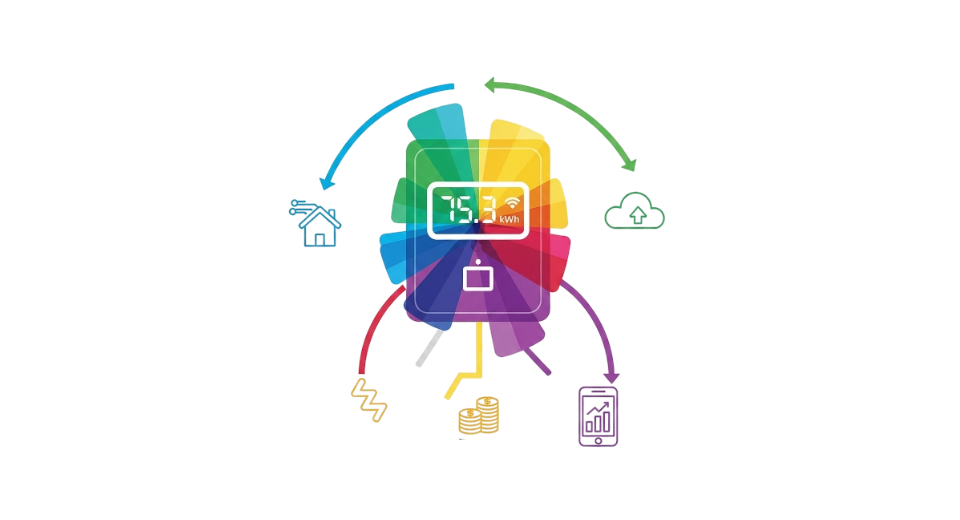
The report “Smart Meter Market By Meter Type (Electricity Smart Meters, Gas Smart Meters, Water Smart Meters), By Component Type (Advanced Metering Infrastructure, Communication Modules, Data Management Systems), By Communication Technology (RF Mesh, PLC, Cellular, Others), By Application (Energy Monitoring & Management, Load Management & Demand Response, Billing & Revenue Management, Grid Automation & Smart Grid Integration)” is expected to reach USD 52.30 billion by 2033, registering a CAGR of 9.30% from 2026 to 2033, according to a new report by Transpire Insight.
Right now, machines that track power, gas, or water are changing the way people see their own use live updates help companies charge correctly without guessing. Because someone does not have to knock on doors each month, records stay current while waste drops off quietly. These gadgets lift service speed, balance pressure during peak times, plus give users more trust in what they pay. Hidden inside bigger plans for modern cities and connected grids, they link systems so energy flows smarter when needs shift suddenly.
Now machines talk back, thanks to faster networks and smarter software tucked inside smart meters. Because of this shift, power providers spot odd spikes before blackouts strike. Information flows both ways, not just out. When glitches pop up, fixes happen quicker than old methods allowed. People at home start seeing exactly where electricity slips away. These updates feed into larger grids that adjust on their own, like nerves reacting to touch. Hidden math predicts demand before it hits. Meters link up without fuss, joining a web that hums even during storms. Every piece connects, quietly keeping lights steady.
Nowadays, rules push cleaner energy use, so cities turn to smarter tools that cut waste while lowering emissions at the same time. These devices balance power flow through timed shifts in usage, backing efforts to save electricity when demand peaks occur unexpectedly. Progress grows steadily as funding flows into custom tech setups built around real needs instead of generic fixes people rarely adopt fully anyway. Their role sticks because they connect daily operations with long-term upgrades shaping how buildings and grids behave over the years ahead.
The Electricity Smart Meters segment is projected to witness the highest CAGR in the Smart Meter market during the forecast period.
According to Transpire Insight, Utilities everywhere now install them to upgrade power systems while cutting daily costs. With these gadgets, tracking usage turns precise - no more estimates - and bills shift automatically, changing how homes get charged each month. Real-time checks happen without delay, helping factories and shops manage energy differently than before. Rules pushing cleaner grids appear often now, nudging nations, rich and developing alike, toward wider rollout of digital setups like these.
Now, more people pay attention to how much power they use, so smart electricity meters are becoming popular. Because of that, utility companies start using them to adjust supply when needed, cut down waste during delivery, and keep solar and wind connected smoothly. New tech keeps improving, governments back the shift, needs around saving energy grow, all pushing electric smart meters ahead faster than other types.
The Advanced Metering Infrastructure segment is projected to witness the highest CAGR in the Smart Meter market during the forecast period.
Growth looks likely in the advanced metering sector as power providers turn toward full-scale setups that track usage live, exchange information both ways, and feed insights through analysis. Built into these smart systems, such networks handle massive amounts of data gathered, sorted, and handled without constant manual input, also helping spot blackouts, send invoices automatically, and balance supply flow. Push comes from demands for strong, adaptable, protected frameworks able to carry forward modern grid upgrades and digital control over energy paths.
A growing need for less energy waste, along with government rules and urban tech projects, pushes more spending on advanced metering tools. Because smart meters link up with networks and data platforms, power providers adjust usage better, run more smoothly, and connect more clearly with users. With new tech arriving, backed by policy help while cities aim for greener energy habits, these systems now grow faster than most parts within modern meter setups.
The RF Mesh Communication segment is projected to witness the highest CAGR in the Smart Meter market during the forecast period.
According to Transpire Insight, Strong growth looks likely for RF Mesh tech in smart meters, thanks to steady performance, room to expand, plus solid real-time links even in crowded city areas. Because signals hop from device to device, information flows smoothly between meters and central systems without needing direct lines. Utility companies can pull readings automatically while also spotting power cuts fast, adjusting usage during peak times, or updating settings from afar. Even as neighborhoods change, these networks adapt easily, handling electric grids just as well as water monitoring setups. Their tough design holds up under pressure, which helps when rolling out thousands of units across mixed landscapes.
Now here comes a shift, with more smart grids popping up, rules pushing better meters, along with pressure to manage power wisely, all feeding into a stronger interest in RF Mesh tech. Not far behind, utilities begin using it because the system fixes itself when broken, plus hardly needs upkeep, keeping signals alive through tough spots. Right where money flows into upgrading old systems and building smarter cities, RF Mesh finds solid ground, staying near the front of how meters talk to each other.
The Energy Monitoring & Management segment is projected to witness the highest CAGR in the Smart Meter market during the forecast period.
Growth seems likely in the energy monitoring area because more people and power providers are watching how electricity gets used. Real-time data comes through smart meters, showing exactly when and where power flows. This clarity often leads to less waste. Insights from these devices guide decisions, sometimes cutting expenses while easing pressure on grids during peak times. Efficiency takes shape here, quietly shaping habits in homes, offices, and even factories without fanfare. Sustainability gains ground not by slogans but steady shifts in daily use.
More people paying attention to saving power helps push growth in tools that track and manage electricity use. Government actions alongside strict rules add momentum without needing extra effort. Power companies take advantage of information from modern meters to balance loads, adjust supply when needed, and sometimes shift timing based on need. They also fine-tune how the network runs overall through smarter decisions. Households gain clearer pictures of how they consume energy throughout days or weeks. Saving money matters just as much as cutting waste in daily routines. Taking better care of resources fits naturally into current priorities across regions. Growth here outpaces many areas connected to updated meter systems today.
The North America region is projected to witness the highest CAGR in the Smart Meter market during the forecast period.
Fresh off years of development, North America stands as a well-established hub for smart meter tech, shaped largely by utility projects and government rules pushing grid upgrades. Due to solid foundations and continuous funding, electric smart meters now see wide use here alongside mesh-style wireless networks that link them smoothly into broader power systems. Heading the pack, the United States rolls out these devices at scale, touching homes, businesses, and factories alike. Meanwhile, just north, Canada builds momentum slowly but surely in both power and water tracking tools.
From coast to coast, utilities now rely more on smart meters - not just for tracking power use but also adjusting to peak demand, streamlining daily operations. Rules set by authorities, along with financial perks from state programs, push these digital upgrades forward. People pay closer attention to how much energy they consume, plus ways to lower bills. This shift pulls the market upward. With better tech emerging and a stronger focus on lasting energy solutions, the continent holds steady as a leader shaping the worldwide rise of smart meter use.
Key Players
Top companies include Itron, Landis+Gyr, Siemens, Schneider Electric, Honeywell International, ABB, Sensus (Xylem), Kamstrup, Elster Group (Honeywell), Aclara Technologies (Roper Technologies), Toshiba Corporation, General Electric, Mitsubishi Electric, Echelon Corporation, Oracle Utilities, and Badger Meter.
Drop us an email at:
Call us on:
+91 7666513636

 inquiry@transpireinsight.com
 APAC:+91 7666513636
 Address





