
Jan 22, 2026
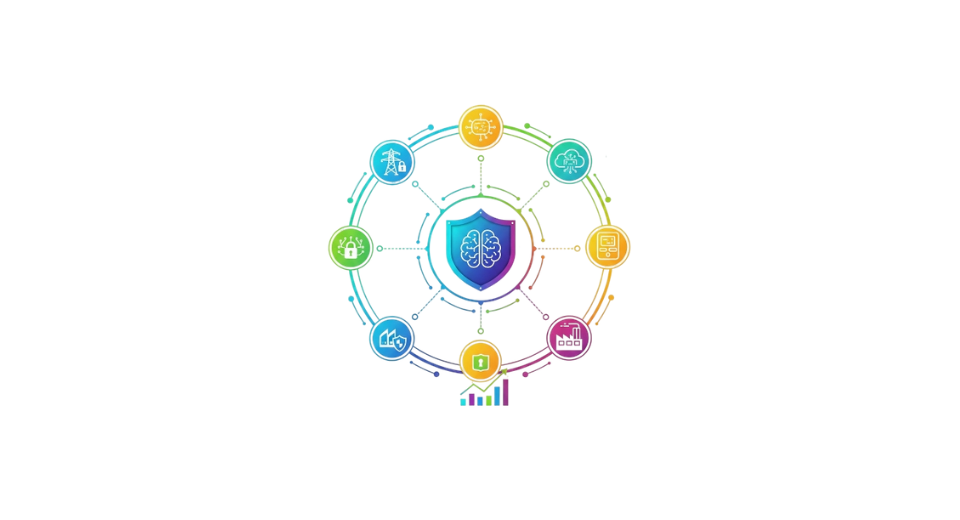
The report “Smart Grid Cybersecurity Market By Component (Hardware, Software, Services), By Security Type (Endpoint Security, Cloud Security, Network Security, Application Security, Infrastructure Protection, Data Security, Artificial Intelligence Model/Machine Learning Model Security, Hardware Security, Others), By Solution Type (Unified Threat Management (UTM), Intrusion Detection System/Intrusion Prevention System (IDS/IPS), Data Loss Prevention (DLP), Identity and Access Management (IAM), Security Information and Event Management (SIEM) & Security Orchestration, Automation & Response (SOAR), DdoS, Risk and compliance management, Others) and By End Use (IT and Telecommunications, Retail and E-Commerce, BFSI, Healthcare, Government and Defense, Manufacturing, Energy and Utilities, Automotive, Marine, Transportation and Logistics, Others)” is expected to reach USD 22.65 billion by 2033, registering a CAGR of 17.10% from 2026 to 2033, according to a new report by Transpire Insight.
The Smart Grid Cybersecurity Market is growing at a rapid pace due to the increasing sophisticated cyber attacks on the critical infrastructure of the world. The new smart grid infrastructure is based on interconnected systems, IoT devices and automated operational technology which demands effective cybersecurity solutions. The market is driven by the increasing digitalization of the energy sector, the adoption of advanced metering infrastructure and the rising use of AI and cloud-based security solutions. The government regulations and compliance requirements also force the companies to invest in cybersecurity solutions. The growing number of cyber attacks on critical infrastructure as well as the trend towards smart cities and alternative energy sources, is fueling the need for comprehensive cybersecurity solutions. The market includes hardware, software and services aimed at securing devices, communication infrastructure and operational software systems. Multi-layered security approaches, such as endpoint, network, cloud, and application security are being increasingly adopted by energy companies, IT departments and other industries. AI-powered threat detection platforms are improving proactive defense tools and minimizing downtime.
The end-use industries, such as energy and utilities, IT and telecommunication, BFSI, government and defense, healthcare, manufacturing, and transportation, are propelling the growth of the market with the rising adoption of sophisticated security solutions. The utilities sector is emphasizing the protection of distributed energy resources, smart meters, and SCADA systems, whereas the industrial sectors are giving prime importance to the protection of operational continuity and sensitive data. The need for predictive analytics, automated response, and centralized monitoring platforms has become the essence to combat the rising threats. Moving forward, the market is anticipated to grow steadily, driven by the ever-growing smart grid infrastructure and rising awareness about cybersecurity. The integration of IT and OT security, along with investments in AI analytics, cloud, and managed security services, holds immense opportunities. Vendors who can provide comprehensive, scalable, and innovative solutions are expected to gain considerable market share, helping the world’s energy infrastructure stay secure, efficient, and resilient against the rising threats of cyberattacks.
The Hardware segment is projected to witness the highest CAGR in the Smart Grid Cybersecurity during the forecast period.
According to Transpire Insight, Hardware continues to lead as the most important component segment because hardware components such as firewalls, secure routers, intrusion detection systems and smart meters are the building blocks of smart grid cybersecurity systems. Hardware vulnerabilities can lead to the compromise of entire networks which is why hardware security is so important. The increasing use of IoT-enabled devices, smart sensors and smart substations is leading to an increased focus on tamper-proof and encrypted hardware solutions which further emphasizes the importance of hardware in ensuring system reliability.
Hardware solutions also make it possible for organizations to meet regulatory requirements and improve disaster recovery. The integration of security in hardware solutions protects against physical and cyber attacks which can cause disruptions in services. The capability to manage and secure devices at the edge of the grid ensures that threats are identified before they spread to the network. With the increasing use of smart grids, there will be a growing need for sophisticated hardware solutions that can work in harmony with software solutions.
The Endpoint Security segment is projected to witness the highest CAGR in the Smart Grid Cybersecurity during the forecast period.
Endpoint security is the most dominant market, securing the most critical devices like smart meters, sensors, and IoT-enabled grid infrastructure. As there is an increase in the connectivity of operational technology and IT infrastructure, endpoints have become critical entry points for cyber attackers, and hence, securing them is essential. Organizations are adopting more advanced endpoint security solutions to identify malware, unauthorized access, and unusual activity at the device level.
The segment is also aided by AI and machine learning-powered security solutions that offer predictive threat analysis and detection by constantly monitoring device activities. With the growing adoption of smart grids and distributed energy resources, endpoint security solutions are becoming a priority for utilities and industrial companies to ensure business continuity and adherence to cybersecurity standards, thus ensuring the dominance of the segment in the market.
The Unified Threat Management (UTM) segment is projected to witness the highest CAGR in the Smart Grid Cybersecurity during the forecast period.
According to Transpire Insight, UTM leads in the provision of an integrated approach to cybersecurity. This is achieved through the provision of firewalls, intrusion prevention, antivirus, and other security services in one system. The utilities and industries are increasingly adopting UTM systems to monitor, detect, and respond to threats in their complex smart grid environments.
The area is supported by the requirement for integrated security solutions that are able to tackle IT and OT risks. UTM solutions allow for real-time monitoring, automated notifications, and unified management, ensuring that threats are tackled promptly and comprehensively. With the energy grid becoming increasingly digital and incorporating IoT technology, UTM solutions are set to remain the preferred choice in smart grid cybersecurity with their efficiency and cost-effectivenes.
The Energy and Utilities segment is projected to witness the highest CAGR in the Smart Grid Cybersecurity during the forecast period.
The energy and utilities industry is the biggest end-use industry, as it is dependent on uninterrupted power supply. The energy and utilities industry is increasingly using smart meters, SCADA systems, and analytics platforms, which need to be protected by strong cybersecurity solutions to avoid any disruption in their operations and protect their sensitive information. There has been an increase in cyber attacks on the energy sector, and as a result, there has been a huge investment in multi-layered security solutions.
Energy firms are adopting comprehensive solutions that include hardware, software, and services to secure distributed energy resources, substations, and communication infrastructure. This emphasis on resilience, operational effectiveness, and regulatory requirements will ensure that the energy and utilities sector leads the smart grid cybersecurity market.
The North America region is projected to witness the highest CAGR in the Smart Grid Cybersecurity during the forecast period.
North America is the most prominent regional market because of its advanced smart grid infrastructure, well-developed regulatory environment and high awareness levels regarding cybersecurity. The United States, Canada and Mexico have seen the widespread adoption of AI-driven and cloud-based security solutions. The increasing number of cyber threats to critical infrastructure has led to investments in comprehensive security solutions, including endpoint, network, application and cloud security. The region has an established technology ecosystem, talent in the field of cybersecurity and extensive R&D activities related to energy and operational technology cybersecurity. The utilities in the region are implementing unified threat management solutions, SIEM and managed security services to improve real-time monitoring and automated threat response. The presence of major market players and early adoption of digital energy solutions further cements North America’s position as a leader in innovation and strategic cybersecurity investment in smart grids.
Key Players
The top 15 players in the Smart Grid Cybersecurity market include IBM Corporation, Siemens AG, Cisco Systems, Inc., Schneider Electric SE, Honeywell International Inc., General Electric Company (GE), BAE Systems plc, Fortinet, Inc., Palo Alto Networks, Inc., ABB Ltd., Lockheed Martin Corporation, Trend Micro, Inc., CyberArk Software Ltd., Check Point Software Technologies Ltd., and AlienVault Inc.
Drop us an email at:
Call us on:
+91 7666513636

 inquiry@transpireinsight.com
 APAC:+91 7666513636
 Address





