
Jan 07, 2026
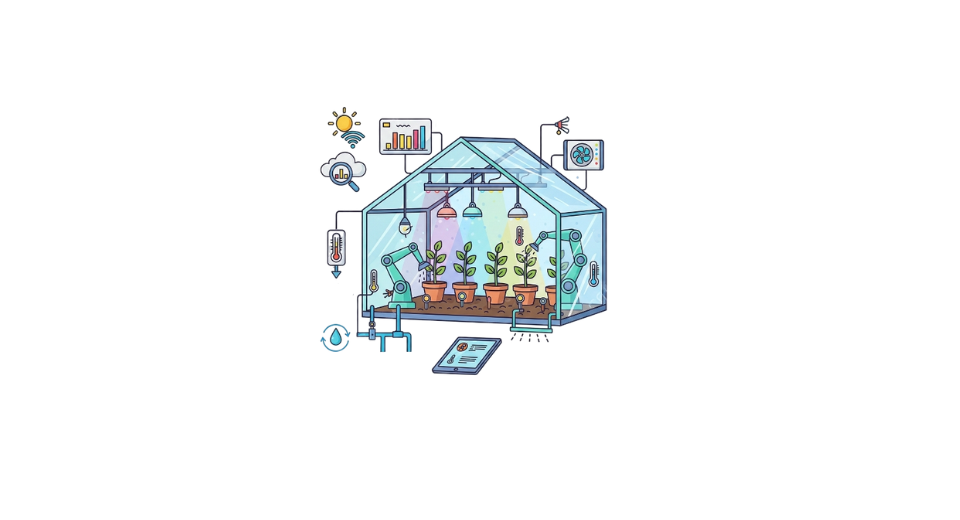
The report “Smart Greenhouse Market By Technology (Climate Control Systems, Irrigation & Fertigation Systems, Lighting Systems, Monitoring & Sensors, Robotics & Automations, Software & IoT Platforms), By Greenhouse Type(Venlo Greenhouses, Glass Greenhouses, Polycarbonate Greenhouses, Plastic Greenhouses, Hybrid Greenhouses), By Crop Type (Vegetables & fruits, Leafy Green & Herbs, Flower & Ornamentals, Others), By End-Users (Commercial Agriculture, Research & Educational Institutes, Rooftop Farms, Nurseries & Horticulture Centers)” is expected to reach USD 4.25 billion by 2033, registering a CAGR of 9.20% from 2026 to 2033, according to a new report by Transpire Insight.
That happens more now because farms are using tech that works smarter. Machines talk to sensors inside glass buildings where plants grow. These tools watch heat levels, wetness in the air, light patterns, plus water flow, adjusting things before problems start. Growing food indoors cuts down on wasted space outside. Climate shifts matter less when systems adapt on their own. Fewer chemicals go into the soil since control stays precise. Land shortage becomes less urgent when vertical layers pack tightly under one roof.
Fresh data flows nonstop from sensors tucked through greenhouses, guiding choices on air flow, water timing, and plant wellness. Climate tweaks pair with timed watering mixtures, glowing diodes overhead, moving machines, digital dashboards; each piece fits tight, cuts waste, sharpens yield tracking. Tomatoes climb here, berries cluster there, greens spread wide under light banks; big growers lead the shift, yet labs test new tricks, city rooftops host mini plots, gardens near campuses feed neighborhoods fresh picks.
Even though it's not the only player, North America still leads because greenhouses there use high-tech setups, especially across the United States, where machines talk to each other seamlessly. Moving south, farms in Latin America are slowly but surely bringing in digital tools that help grow more food while handling weather swings better. New gadgets keep arriving, cities try harder to grow food locally, and sustainability matters more now, so smart greenhouses just make sense these days.
The Monitoring & Sensors segment is projected to witness the highest CAGR in the Smart Greenhouse market during the forecast period.
According to Transpire Insight, one reason the Monitoring & Sensors part of the Smart Greenhouse market grows fast? Demand for live updates that fine-tune how greenhouses run. Instead of guessing, farmers get constant readings on heat, dampness, carbon dioxide, ground wetness, and even plant condition, helping them adjust conditions exactly when needed. When sensors link up with automated tools and internet-connected networks, results shift, more crops survive, less water slips away, and nutrients go further. Over time, these setups support steadier harvests without spikes or drops in output quality. Growth here ties directly to smarter oversight, replacing old trial-and-error routines.
Now comes a shift toward smarter crop tracking, thanks to more farmers using precise tools that rely on real-time information. Instead of guessing, growers lean on digital feedback from devices tucked inside urban farms, big production units, even labs testing new methods. Driven by tighter resource control and better tech access, these systems gain ground fast. Growth is not just about gadgets; it ties back to how well they cut waste while lifting output. Efficiency becomes easier when constant data guides decisions. This part of greenhouse innovation moves quickest, outpacing others year after year. Profit follows where performance improves steadily.
The Glass Greenhouse segment is projected to witness the highest CAGR in the Smart Greenhouse market during the forecast period.
A surge in demand could push glass greenhouses ahead in growth. Brighter light gets inside these structures better than others. That steady glow supports strong plant development throughout seasons. Tough materials help them last longer under harsh weather. Temperature stays stable because airflow moves just right. Farmers rely on consistent conditions when growing costly produce. Humidity levels adjust without sudden jumps. Long life means fewer replacements over time. Big farms lean toward solid builds that hold up decade after decade. Technology fits neatly into their design. Year-round harvests depend on such reliability. Few alternatives offer the same balance of clarity and strength.
What's happening now is that more glass greenhouses are using smarter tools like automated setups, precise climate controls, and constant monitoring. This helps them run more smoothly and grow more. These changes let farmers get better harvests, lift the standard of their crops, while also using less power, a combo pushing steady expansion. With people wanting fresher food grown nearby through greener methods, this kind of greenhouse seems likely to keep moving ahead faster than others in the tech-equipped growing world.
The Vegetables & Fruits segment is projected to witness the highest CAGR in the Smart Greenhouse market during the forecast period.
According to Transpire Insight, Fresh vegetables and fruits should grow fastest in smart greenhouse markets ahead, thanks to people wanting better food all year round. Tomatoes, cucumbers, peppers, or strawberries pop up often inside these high-tech greenhouses since they sell well and respond nicely to controlled environments. Climate tweaks, watering that runs itself, special lights, along with tracking tools, help these plants thrive using less stuff. Growth gets a boost, quality stays steady, yet everything from water to energy goes further than before.
Farmers selling to cities now lean more on tech-driven greenhouses because stores, eateries, and locals want fresh produce year-round. This setup keeps harvests steady regardless of weather shifts. With sensors and automated systems at work, daily tasks run smoother, expenses drop; as a result, tomatoes, lettuce, and berries lead the pack among crops grown this way.
The Commercial Agriculture segment is projected to witness the highest CAGR in the Smart Greenhouse market during the forecast period.
Farms aiming at business-scale harvests are expected to boost smart greenhouse use fastest in the coming years. Because growing lots of crops efficiently matters more now. Big setups rely on tools like automatic watering, sensors that track conditions, climate controls, and internet-connected networks. All these work together so greenhouses run smoothly day after day. Output stays steady, quality remains strong. Less water, energy, and labor are used along the way. Profit is not the only outcome; less waste happens, too.
Fresh food without chemicals now pulls more interest across stores, eateries, and big kitchens. This shift quietly pushes wider use of intelligent greenhouses. Automation flows into farming alongside sharp data tools and exact crop methods; because of that, business-level growing holds the largest share of income. That same stretch makes it grow quicker than others inside the tech-driven greenhouse world.
The North America region is projected to witness the highest CAGR in the Smart Greenhouse market during the forecast period.
Ahead of other regions, North America is expected to grow fastest in the smart greenhouse sector through the coming years. This momentum comes from the broad use of modern greenhouse tools across the United States and Canada. Instead of traditional methods, farmers now lean on sensors connected to networks that track conditions minute by minute. Climate adjustments happen automatically, helping plants thrive without constant oversight. Water delivery runs on schedules fine-tuned by data, cutting waste while supporting healthier growth. Lighting has shifted toward LEDs that adapt to plant needs at different stages. Behind these changes lies steady funding for farming tech focused on accuracy and resource care. Each piece works together with less guesswork and more consistency. Growth here is not just about speed; it reflects deeper shifts in how food is grown.
Fresh food choices are shaping how farms grow crops, especially when people want local options without chemicals. Because of this shift, greenhouses that use smart technology are becoming more common in cities and large farming areas alike. Government backing helps too, pushing eco-friendly rules that favor modern growing methods. Progress does not stop there; better tools and steady funding keep the pace fast. In North America, solid networks and ongoing upgrades give it an edge worldwide where high-tech greenhouses thrive.
Key Players
Top companies include Priva, Argus Controls, Heliospectra, Hortimax, Netafim, Certhon, Nexus Greenhouse Systems, Ridder, Dalsem, Van der Hoeven, Signify (Philips Lighting), OSRAM, Growlink, Hoogendoorn Growth Management, Urban Crop Solutions, and Illumitex.
Drop us an email at:
Call us on:
+91 7666513636

 inquiry@transpireinsight.com
 APAC:+91 7666513636
 Address





