
Jan 07, 2026
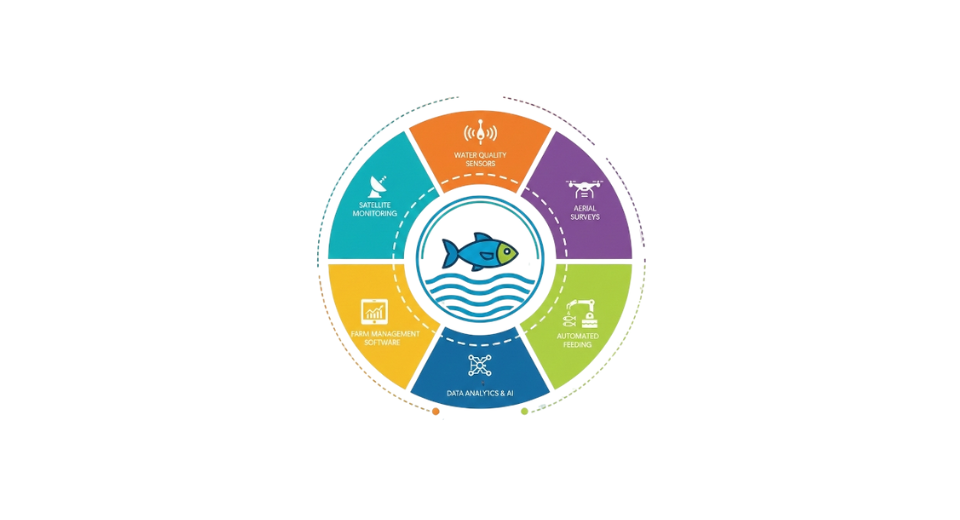
The report “Precision Aquaculture Market By Technology (Monitoring & Sensors, Automation & Robotics, Data Analytics & Software Platforms, IoT & Connectivity Solutions), By Aquaculture Type(Finfish, Crustaceans, Mollusks, Others), By Farming Environment (Recirculating Aquaculture System, Ponds, Net Pens, Hybrids), By End-Users (Commercial Aquaculture Farms, Research & Educational Institutes, Government & Regulatory Agencies, Niche Aquaculture Operators)” is expected to reach USD 1.93 billion by 2033, registering a CAGR of 10.45% from 2026 to 2033, according to a new report by Transpire Insight.
Fresh waves are moving through fish farming as tech-savvy growers turn to sharper tools for smoother operations. Out in ponds and pens, intelligence comes alive using gadgets that track what happens beneath the surface moment by moment. Instead of guessing, choices now grow from streams of live feedback flowing straight from water and stock alike. Devices talk to each other while numbers paint a clearer picture of life underwater. Control shifts into finer hands when insights replace routine checks. Clearer vision means fewer surprises across every stage of raising aquatic animals.
Fish farming feels the squeeze: more food needed, less room for error. Smarter tech tweaks how meals are given out, cuts down on sickness surprises, and uses supplies more carefully. Old methods stumble where new tools steady things. Machines take over repetitive work, and fewer people are tied to daily chores. Predictable results pull bigger farms toward digital helpers.
Fresh tech tools keep nudging how markets evolve. Smarter software, networked sensors, or online dashboards now help foresee problems while making daily operations clearer. When green rules grow stricter and farms go digital worldwide, exact fish farming methods tend to stick around in today's setups.
The Monitoring & Sensors segment is projected to witness the highest CAGR in the Precision Aquaculture market during the forecast period.
According to Transpire Insight, right now, sensors are growing faster than anything else in precision aquaculture. They sit at the core of how smart fish farming works. Devices that track water quality, surroundings, or even fish behavior gather live updates on things like temperature, oxygen levels, acidity, and motion patterns. Because this flow of information never stops, problems can show up sooner, air supply adjusts better, feed gets timed right, and living conditions stay stable, all helping more fish survive while cutting down wasted effort. When pressure builds between farms trying to save resources and avoid losses, sharper, connected sensing tools become harder to ignore.
Fresh progress in tiny tech, radio signals, and web-linked devices has brought down costs while lifting the performance of today’s sensors. Now, smaller fish farms can set up full tracking setups just like big companies used to have alone. Data from these gadgets flows into analysis hubs or connects straight to machines that adjust conditions automatically. Smarter choices come easier when systems talk to each other without delay. That smooth flow pulls more operators in, especially where speed and accuracy count most.
The Finfish segment is projected to witness the highest CAGR in the Precision Aquaculture market during the forecast period.
Despite rising pressure to keep up with worldwide appetite for seafood, finfish farming stands out by adopting smarter tools that boost output without raising costs too much. Growing numbers of fish farms now rely on digital systems because they help track feeding patterns more accurately while lowering disease threats at the same time. Salmon, tilapia, and carp remain top choices around the globe, pushing this sector ahead in growth compared to others in precision aquaculture. With wild catches struggling to match demand, high-tech solutions in finfish production have become hard to ignore across modern fisheries.
These methods tackle tight-space problems like sickness spread, dirty water, or slow growth. Live tracking mixed with smart number-crunching shifts daily choices toward better results. Farms start relying on facts pulled from machines instead of guesses. Fewer fish die when changes happen faster. This logic spreads fast - both where industry thrives and where it just begins.
The Recirculating Aquaculture System segment is projected to witness the highest CAGR in the Precision Aquaculture market during the forecast period.
According to Transpire Insight, year-round, RAS helps keep fish healthy through filtered water reuse. Growing demand comes from areas where freshwater is limited. Instead of using new water each time, farms clean and return it. This method suits strict ecological rules quite well. Indoor tanks let growers control surroundings precisely. As a result, more operations are shifting toward these closed systems. High efficiency drives interest despite initial setup demands. Environmental benefits add long-term value too.
Fine adjustments in water quality, feeding schedules, and fish health now happen more smoothly because tools like live tracking, self-regulating mechanisms, and pattern analysis fit naturally into RAS setups. Thanks to these links, farms waste less, run with tighter budgets, forecast harvests better, making indoor fish farming a go-to choice for businesses wanting growth without excess environmental strain.
The Commercial Aquaculture Farms segment is projected to witness the highest CAGR in the Precision Aquaculture market during the forecast period.
Farms raising fish for sale will likely grow fastest in the smart aquaculture sector over the coming years. Rising hunger for seafood pushes these operations to get bigger without wasting resources. What is fueling this shift is a stronger focus on keeping things efficient and kinder to nature. Medium-sized and large outfits now lean heavily on digital tools that fine-tune food delivery. Health tracking of underwater populations has become more common, too. Clean water matters more than ever, so sensors help keep conditions stable. Pressure builds not just from markets wanting more product, but also from tighter oversight on how farms run. These changes aren't optional anymore; they are part of staying viable.
Farms run by businesses see clear gains when machines handle tasks, watch conditions minute by minute, while numbers guide choices, cutting down on worker expenses, lowering death rates in stock, and lifting profits. Reliable harvests come through, records stay sharp, rules get followed without hassle - this mix pushes more large-scale operations to shift gears, shaping a steeper climb ahead for the industry.
The North America region is projected to witness the highest CAGR in the Precision Aquaculture market during the forecast period.
Right now, growth in North America looks set to outpace other regions within the precision aquaculture sector through the coming years. Boosted by heavy backing for modern fish farming tools, progress here thrives. Across the United States and Canada, those raising aquatic species turn more toward live data tracking, smart systems, and insight-driven methods. These shifts help them run smoother operations while lining up with tight ecological rules. At the same time, shoppers want proof of origin, and better quality farms respond by upgrading how they track and manage output.
What's happening now is that government backing, fresh research efforts, together with team-ups among tech firms and fish farm managers, keep pushing new tools into use faster throughout the area. Driven by interest in high-tech setups like water recycling farms plus connected monitoring networks, North America moves ahead steadily in smart farming of seafood, turning it into one of the main spots where these technologies take root.
Key Players
Top companies include Key players in the precision aquaculture market include AKVA Group, ScaleAQ, Innovasea Systems, Aquabyte, Skretting, XpertSea, CageEye, Eruvaka Technologies, Pentair Aquatic Eco-Systems, Deep Trekker, Signify Holding, Imenco AS, Aquaculture Systems Technologies, CPI Equipment, Lifegard Aquatics, Umitron, AquaMaof Aquaculture Technologies, Bluegrove, and Observe Technologies.
Drop us an email at:
Call us on:
+91 7666513636

 inquiry@transpireinsight.com
 APAC:+91 7666513636
 Address





