
Dec 27, 2025
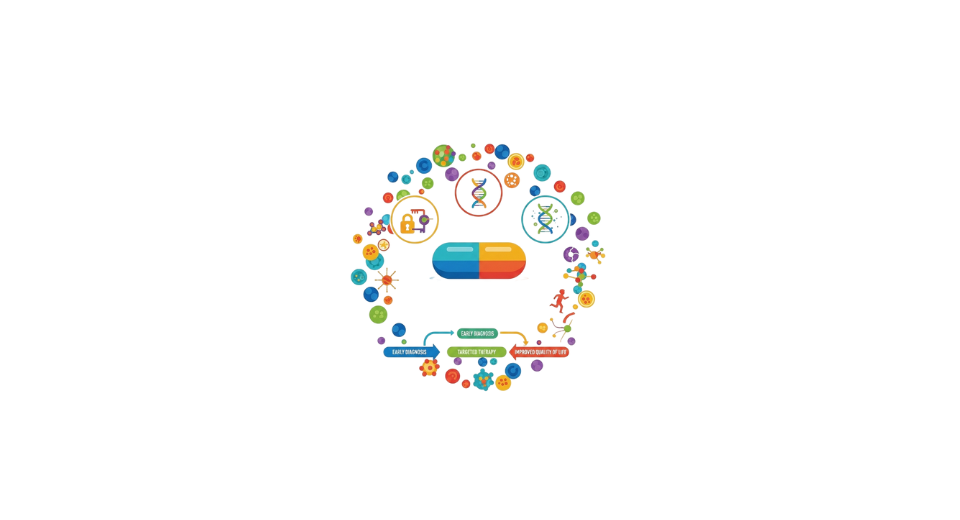
The report Rare Inherited Metabolic Disorder Drug Market By Drug Class (Enzyme Replacement Drugs, Gene Therapy Drugs, Substrate Reduction Drugs, Small Module Drugs, Protein Drugs), By Route of Administration(Parenteral, Oral, Intrathecal), By Clinical Development (Marketed Drugs, Late Stage Clinical Phase III, Early Stage Clinical Phase I-II, Preclinical Candidates), By Indication (Lysosomal Storage Disorders, Urea Cycle Disorders, Amino Acid Metabolic Disorders, organic Acidemias, Peroximal Disorders), By Industry Analysis, Size, Share, Growth, Trends, Region and Forecasts 2021-2033 is expected to reach USD 530.10 million by 2033 from USD 217.80 million in 2025, at a CAGR of 11.76% from 2026 to 2033.
The rare inherited metabolic disorders (RIMD) drug scene zeroes in on treatments for genetic issues tied to missing enzymes or broken-down processes that mess up how the body handles proteins, fats, or carbs. Conditions like lysosomal storage problems, urea cycle flaws, amino acid processing hiccups, organic acid buildups, and faulty mitochondria fall into this group. Orphan meds power much of the space, think enzyme replacements, methods that cut down harmful buildup, compact molecule pills, along with new approaches using gene tweaks or RNA tools. Since these illnesses stick around and can turn deadly, ongoing care and steady control strategies play a big role here.
Demand for RIMD drugs grows because more people recognize the diseases, genetic testing improves, and expanded newborn screenings help catch issues sooner. Spotting problems early means patients start treatment faster, especially where health services are well established. Besides, clear benefits like special drug status, quicker approval paths, or protected market time push companies to develop therapies even when few patients exist. With major gaps in care and no cures available for many conditions, pressure stays high to deliver new solutions.
The scene’s shifting fast as more players lean into tailored meds and newer treatment types. Instead of daily fixes, gene tweaks and RNA-driven options might offer lasting results - some even hoping for single-shot cures. Big pharma hubs in North America and Europe lead thanks to solid medical systems, better payback rules, and clusters of biotech firms. Meanwhile, areas like the Asia-Pacific are catching up quickly because testing is getting sharper and niche health services are spreading wider. Altogether, this space thrives on constant breakthroughs, costly drugs, but also real progress toward helping patients live better via precise, condition-altering approaches.
The Enzyme Replacement Drugs segment is projected to witness the highest CAGR in the Rare Inherited Metabolic Disorders market during the forecast period.
The enzyme replacement drugs part should grow fastest in the rare genetic metabolism disorder market over the coming years. This rise comes thanks to solid proof of effectiveness, along with broader medical use. Instead of just managing symptoms, ERT tackles missing enzymes that cause these metabolic issues, so doctors often rely on it for diseases like Gaucher, Fabry, Pompe, or some types of mucopolysaccharidoses. Thanks to better gene-based production methods and smarter protein design, today’s enzymes last longer, reach target tissues more accurately, and come with fewer risks - making both clinicians and patients more likely to go with this option.
In addition, more kids and adults can now access ERTs - thanks to solid regulatory perks for rare disease meds - which gives the market a real boost. Because rich-country health plans often cover these treatments and patients need them for years, income stays steady over time. On top of that, better detection via early blood tests and DNA scans brings in more people who actually get treated, pushing enzyme therapies ahead fast in the niche metabolic disorder space.
The Parenteral segment is projected to witness the highest CAGR in the Rare Inherited Metabolic Disorders market during the forecast period.
The parenteral route’s share should grow fast in the rare genetic metabolic diseases market through the forecast years due to rising use of biological treatments like enzyme replacements, protein drugs, or cutting-edge gene therapies. Getting medicine via IV or under the skin boosts absorption and allows exact doses, both vital when handling complicated metabolism issues. Doctors tend to choose this method for serious, long-term cases since steady drug levels help slow down worsening symptoms or avoid dangerous flare-ups.
On top of that, shots stay on top because most biologics don't work well when swallowed, while precise dosing in clinics gives them an edge. Instead of hospitals only, more treatments now happen at home or in outpatient spots due to better logistics and care teams helping patients stick to plans. Because new injectable drugs keep coming out, especially advanced ones for rare metabolic issues, this method won’t slow down anytime soon.
The Marketed Drugs segment is projected to witness the highest CAGR in the Rare Inherited Metabolic Disorders market during the forecast period.
The marketed drugs part should stay on top, growing at a steady pace in the rare genetic metabolic diseases space through the projected years due to solid backing from already-approved treatments available widely. Mainly made up of enzyme replacements along with compact molecule meds, this category has shown its safety and works well over time for various metabolism issues. Doctors know them better now, guidelines are set, results add up, which keeps demand stable for these go-to options.
Fewer hurdles in coverage help these medicines pay off. Bonus perks for rare disease drugs don’t hurt either, while ongoing treatments keep income flowing. Better detection via wider newborn scans and DNA checks means more people qualify for current meds over time. On top of that, tweaking how they’re used, like broadening approved cases, upgrading delivery forms, or pairing them with new treatments, is likely to boost sales even more for this category in the niche metabolism disorder space.
The Lysosomal Storage Disorders segment is projected to witness the highest CAGR in the Rare Inherited Metabolic Disorders market during the forecast period.
The lysosomal storage disorders (LSDs) chunk is expected to stay on top, also growing quickest in the rare inherited metabolic diseases scene over the coming years. Conditions like Gaucher, Fabry, Pompe, or mucopolysaccharidoses fall under LSDs; they’re some of the best-researched metabolism issues and get spotted more often than many other rare types. Since several go-ahead treatments already exist, especially enzyme replacements or methods that cut down harmful buildup, they’ve turned LSDs into a key target for drug makers.
Fresh progress in DNA checks, baby health scans, or public knowledge efforts keeps lifting the number of identified cases. Solid backing from regulators, like rare disease labels or faster clearances, is pushing new ideas in LSD treatments, such as upgraded enzyme fixes or gene edits. Because of this, steady funding for research, along with more therapy options popping up, should fuel solid gains in the LSD market across the years ahead.
The North America region is projected to witness the highest CAGR in the Rare Inherited Metabolic Disorders market during the forecast period.
This lead comes from solid medical systems, widespread baby testing plans, or growing use of available medicines like enzyme replacements, along with small-molecule drugs. The U.S. especially pushes ahead due to quick uptake of current or new therapies, forward-thinking gene tests, also care setups covering injected, taken-by-mouth, or spinal delivery methods. Supportive payment rules combined with active research networks help people get diagnosed sooner while improving the availability of care for uncommon metabolic disorders.
In spite of heavy marketing of existing drugs, North America still leads in testing new treatments and building a robust pipeline for metabolic diseases, where many advanced and early-phase therapies are moving closer to approval. Because of perks like orphan drug status and faster regulatory reviews, companies find it attractive to invest, cutting down how long it takes to launch fresh therapies. Meanwhile, Canada boosts the region’s momentum through growing public programs and partnerships focused on better detection and wider availability of care for rare conditions. Thanks to ongoing research efforts, informed patients, and deep medical infrastructure targeting inherited metabolic issues, North America should stay ahead during the years being studied.
Key Players
Top companies include Sanofi S.A., Takeda Pharmaceutical Company Ltd, BioMarine Pharmaceutical Inc., Amicus Therapeutics Inc., Alexion Pharmaceutical, Ultragenyx Pharmaceutical Inc., Avrobio Inc., Orphazyme A/S, Pfizer, Johnson & Johnson, Sigilon Therapeutics Inc., JCR Pharmaceutical Co. Ltd, Regenxbio Inc., Denali Therapeutics Inc., Bellicum Pharmaceutical, Lysogene, and Others.
Drop us an email at:
Call us on:
+91 7666513636

 inquiry@transpireinsight.com
 APAC:+91 7666513636
 Address





