
Jan 19, 2026
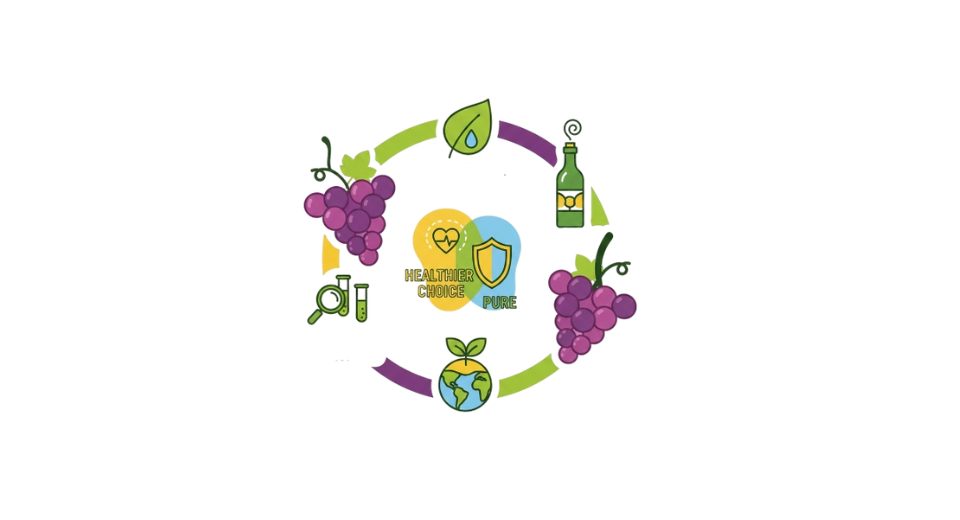
The report “Organic Wine Market By Type (Organic Red Wine, Organic White Wine), By Packaging (Bottles, Cans, Others), By Distribution Channel (Offline, Online)” is expected to reach USD 18.5 billion by 2033, registering a CAGR of 8.00% from 2026 to 2033, according to a new report by Transpire Insight.
The organic wine market has shown significant growth as consumer patterns continue to favor such wine that uses sustainable and chemical-free wine-making processes. Organic wine products are made using grapes that are raised without the assistance of chemical pesticides and herbicides as well as genetically modified organisms. Such trends are closely associated with the requirement for healthy and organic foods and beverages. Government certifications and strict standards for various countries have thus helped establish authenticity for consumers to make their purchases. The organic wine trend has thus become an important category of wine. Organic wine consumption is propelled by the demand for organic products and the need for a healthy lifestyle, while the authenticity and regional origin requirements in the beverage sector have significantly contributed to the demand for organic wine. Premium merchandising in the beverage sector has augmented the buyer-willingness to pay for organic products, allowing the market to grow in terms of value. Availability channels in supermarkets, organic shops, and the Internet have extended organic wine accessibility, ensuring its repeater demand.
From the supply-side perspective, producers have been making investments in sustainable grape growing and vinification practices that improve soil and biodiversity conditions. Though there are challenges in the climate responsiveness and variability of organic grape products, many producers now use them as opportunities to create distinct brands. The processing and acquisition of certification can be time-consuming; however, the benefits to producers include increased consumer trust and the ability to break into lucrative foreign markets. Looking forward, the market for organic wine is expected to continue growing steadily with the entry of younger generations with a concern for the environment. This is expected to result in innovation in terms of packaging and enhanced promotional activities associated with it. The market for organic wine is expected to continue evolving due to the entry of major brands offering this product and startups in this market.
The Organic Red Wine segment is projected to witness the highest CAGR in the Organic Wine market during the forecast period.
According to Transpire Insight, The organic wine market has shown significant growth as consumer patterns continue to favor such wine that uses sustainable and chemical-free wine-making processes. Organic wine products are made using grapes that are raised without the assistance of chemical pesticides and herbicides as well as genetically modified organisms. Such trends are closely associated with the requirement for healthy and organic foods and beverages. Government certifications and strict standards for various countries have thus helped establish authenticity for consumers to make their purchases. The organic wine trend has thus become an important category of wine.
Organic wine consumption is propelled by the demand for organic products and the need for a healthy lifestyle, while the authenticity and regional origin requirements in the beverage sector have significantly contributed to the demand for organic wine. Premium merchandising in the beverage sector has augmented the buyer-willingness to pay for organic products, allowing the market to grow in terms of value. Availability channels in supermarkets, organic shops, and the Internet have extended organic wine accessibility, ensuring its repeater demand.
The Bottles segment is projected to witness the highest CAGR in the Organic Wine market during the forecast period.
Glass bottles continue to lead in the packaging of organic wines, not only due to consumer expectation in terms of product quality, but also in maintaining the required attributes of the product. In most cases, the bottle is considered the benchmark in relation to quality wines, especially in the luxurious or certified organic category, whereby packaging play an important role in terms of visual appeal and shelf life. In terms of sustainability, glass will continue to fit into the narrative, especially in terms of recyclability. Traditional consumer base in most developed markets see bottled organic wines as more traditional.
For a commercial perspective, bottled presentations provide a benefit for vineyards, enabling them to use label designs, certification marks, and other story-telling factors which appeal to the sustainability-driven consumer. The retail environment, including both specialist wine retail and eating-and-drinking establishments, tends to favor the bottled format because it can be easily merchandised, with well-understood consumer buying behavior. Although developments in environmentally-friendly, weight-reduced glass continue to progress, nevertheless, the bottle continues to be a key part of organic wine marketing.
The Off-Trade segment is projected to witness the highest CAGR in the Organic Wine market during the forecast period.
According to Transpire Insight, The off-trade distribution channel, spanning supermarkets, specialty stores, as well as online platforms, is now the most powerful sales route for organic wines. Ease of accessibility and convenience factor greatly, as customers tend to favor purchasing wines while undertaking usual grocery shopping expeditions or through online platforms. The off-trade distribution channel helps increase visibility of the assortment of products on offer through special promotions that tend to encourage customers to try the availability of certified organic wines. The rise of ecommerce platforms tends to further increase the significance of off-trade sales.
Furthermore, off-trade distribution makes geographical expansion easier, particularly in areas where on-trade distribution can be constrained or hindered by external circumstances such as health regulations. To compensate, retailers have shown an increased interest in organic wine offerings and thereby capitalize on their targeted merchandising and education programs to create greater visibility with consumers. Such distribution prowess not only aids in revenue expansion but also aids in overall brand visibility, thus establishing off-trade distribution as a key contributor to organic wine markets.
The North America region is projected to witness the highest CAGR in the Organic Wine market during the forecast period.
The most active market for premium organic wines comes from North America, particularly from the USA. The U.S. market for wine is known to have solid retail structure support and established guidelines for the production of organic goods. The environmentally conscious consumer segment of the U.S. market is large enough to support premium producers of organic wine who emphasize supply chains, vineyards, and value-for-money consumer narratives that cut through various markets. The trend to look for alternatives to traditional wine packaging in terms of cans and one-serving packages also appeals to the younger demographic of this consumer market for convenience reasons.
Regional distribution networks, including major supermarket chain stores and growing e-commerce sites, have served further to consolidate North America's lead position. Retailers are now proactively creating and promoting organic wine ranges, wine tasting events, and marketing programs that draw attention to the category. On the other hand, producers who have distributed their presence within domestic markets and possess the capability for export are using this scenario to build partnerships with specialist retailers and hospitality channels. As consumers begin to shift toward experiential and eco-conscious consumption patterns, North America is poised to remain at the lead in organic wine consumption.
Key Players
The top 15 players in the Organic Wine market include Bronco Wine Company, Kendall-Jackson Winery, King Estate Winery, Boisset Collection – JCB, Emiliana Organic Vineyards, Societa Agricola Querciabella SpA, Grgich Hills Estate, Avondale, Frey Vineyards, The Organic Wine Company, Treasury Wine Estates, Boutinot, Concha y Toro, Bonterra Organic Vineyards, and Sokol Blosser Winery.
Drop us an email at:
Call us on:
+91 7666513636

 inquiry@transpireinsight.com
 APAC:+91 7666513636
 Address





