
Jan 19, 2026
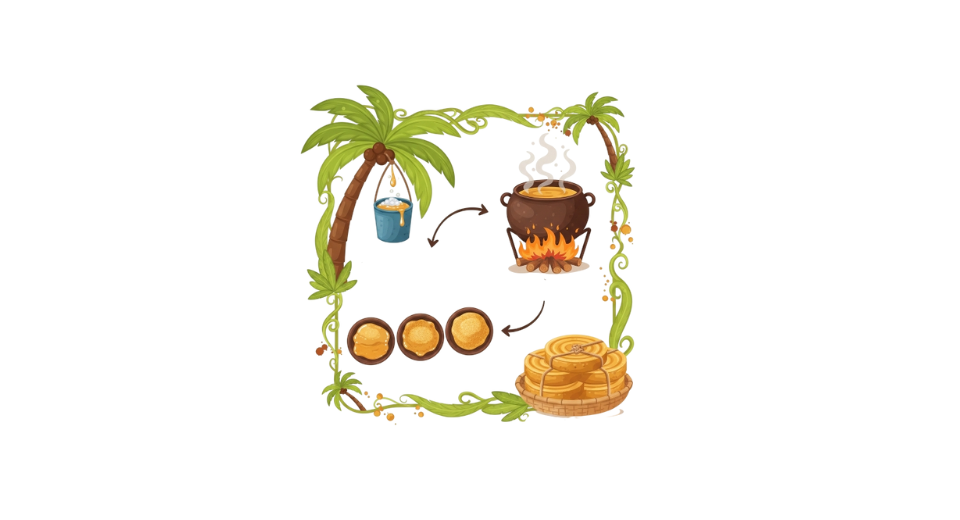
The report “Palm Sugar Market By Type (Conventional, Organic), By Product Type (Powder, Liquid, Crystal,), By End Use (Food & beverages, Household/retail, Horeca, Cosmetics & personal care, Others)” is expected to reach USD 1.95 billion by 2033, registering a CAGR of 7.10% from 2026 to 2033, according to a new report by Transpire Insight.
The palm sugar market is currently observing a steady growth as health-conscious consumers demand more alternative sweetening agents that can fulfill the need for a healthier substitute to sugar. Palm sugar is derived from the fluid of palm trees that contains a lower glycemic level in comparison to sugar and also contains a rich quantity of minerals. Due to the rising demand for clean label products in the market, producers are working towards developing a range of products, both traditional and organic. Increasing use in the food and beverage industry remains one of the driving factors, and palm sugar has wide applications in baked products, sweets, sauces, drinks, and prepared meals. This sugar has been able to integrate well into recipes in powdered, liquid, and solid states to deliver genuine flavor and handling functionality. Companies are working to improve handling, storage, and packaging. The market is further being helped by the growing awareness among consumers concerning sustainable and organic procurement. Organic palm sugar is in high demand in North America and Europe because of the growing concern for health and healthy products. At the same time, the Asia Pacific market is leading in the production and consumption of palm sugar.
New developments in the fields of cosmetics and personal care products and specialty food categories offer further opportunities for growth. Infrastructure investments in manufacturing capacity and collaboration between key players have begun to pay off and help boost distribution and optimize supply chain performance. This well-rounded vision of growth reflects the diversity and long-term prospects of the international palm sugar market.
The Organic segment is projected to witness the highest CAGR in the Palm Sugar market during the forecast period.
According to Transpire Insight, Organic palm sugar is experiencing rapid uptake owing to increased health awareness across the globe associated with the use of organic ingredients with minimal usage of harmful chemicals in food products. Consumers are now actively checking the packaging of the products they buy, looking for sustainable farming methods and being ready to dig deep into their pockets for organic options available in the market. Such a consumer behavior pattern is mostly observed in Europe and the USA, where the tendency of consuming food based on well-being and an appropriate lifestyle has become a habit.
The industry has been benefiting from various innovations in formats, whether it be in powder, liquid, or crystal form, and may thus be effectively utilized in industrial, consumer, or horeca sectors. Liquid sugar formats are preferred in beverage products, and powdered sugar, particularly powdered sugar in the form of sugar, has been in high demand in baking and culinary services. The remarkable quality potential of organic palm sugar enables businesses to tap into untapped markets and thus positively impacts the growth of the market.
The Powder segment is projected to witness the highest CAGR in the Palm Sugar market during the forecast period.
Powdered palm sugar represents the most widely used form in various applications due to simplicity in integration into various recipes, uniformity in nature, and a shelf life that meets different requirements. This form of palm sugar has largely been preferred by bakeries, confectionery, and final consumers due to their need to acquire convenient sweetening agents. This uniformity in nature enables precise measurement during preparation of recipes in various preparations, thus their wide application. Due to simplicity in handling, convenience, and demands by consumers to acquire convenient food products, powdered palm sugar has gained prominence. To keep up with the consumer trends, the powdered forms of palm sugar in various capacities, right from retail packs to industrial packs, are being produced by the manufacturers. The powdered forms also assist in organic and clean-label products, which benefits health-conscious consumers. The ease with which it can be mixed for culinary uses, right from desserts to drinks, and also for making sauces and other recipes, contribute towards the high growth rate in the powdered palm sugar segment.
The Food & beverages segment is projected to witness the highest CAGR in the Palm Sugar market during the forecast period.
According to Transpire Insight, Food and beverages account for the majority of the demand for palm sugar due to an increase in demand for healthier alternatives to refined sugar. Food manufacturers, beverage companies, confectionery processors, and ready-to-eat food manufacturers have embraced the use of palm sugar due to its natural sweetness, distinctive taste, and perceived healthier attributes compared to refined sugar. Adoption of palm sugar by these food manufacturers is driven by consumer education towards healthier options, hence influencing these products' recipe formulation.
The application flexibility offered by palm sugar, whether in powder, liquid, or crystal form, increases its functional utility. The beverages and bakery market has especially welcomed the juice and powder form, which can be readily mixed and utilized. The increasing demand for such products within high-end culinary uses, coffee shops, and restaurants has contributed immensely to increased demand as well. The developed nations with their emphasis on healthy and organic products, such as North America and Europe, have contributed to balancing market growth.
The North America region is projected to witness the highest CAGR in the Palm Sugar market during the forecast period.
North America is considered one of the fastest growing regions in the global palm sugar market. This growth is essentially attributed to a shift in customer preference for organic, natural, and low-glycemic sweeteners. The United States leads the regional demand due to increasing health concerns associated with refined sugar consumption and owing to better awareness about clean-label products. Palm sugar usages are penetrating most of the horizontal product categories, including bakery, beverages, confectionery, and specialty sauces, driven by perceived nutritional benefits as well as compatibility with plant-based and wellness-oriented diets. The presence of organized retail chains and online e-commerce sales channels further boosts product access and market penetration in the region.
The market in North America is further assisted by the rising demand for organic palm sugar, especially from the premium food sector. The companies are showing a lot of interest in producing organic, fair trade, and sustainable palm sugar to cater to consumer demands and regulations. The horeca market, consisting of cafes and restaurants, is adding palm sugar to their menus, leading to increased demand. Canada and Mexico are also emerging as positive markets due to rising health awareness and food processing industries. The palm sugar market can see continuous positive developments from the innovative approaches and premium quality of palm sugar to keep the market moving forward, especially from the North American market.
Key Players
The top 15 players in the Palm Sugar market include Big Tree Farms, Inc., Navitas Organics, Wholesome Sweeteners Inc., Windmill Organics Ltd., Betterbody Foods & Nutrition LLC, American Key Food Products Inc., Asana Foods, Royal Pepper Company, Sevenhills Wholefoods, Biona Organic Foods Ltd., Palm Nectar Organics, Phalada Agro Research Foundation, Taj Agro Products, Real Raw Food, and CV Bonafide Anugerah Sentosa.
Drop us an email at:
Call us on:
+91 7666513636

 inquiry@transpireinsight.com
 APAC:+91 7666513636
 Address





