
Feb 02, 2026
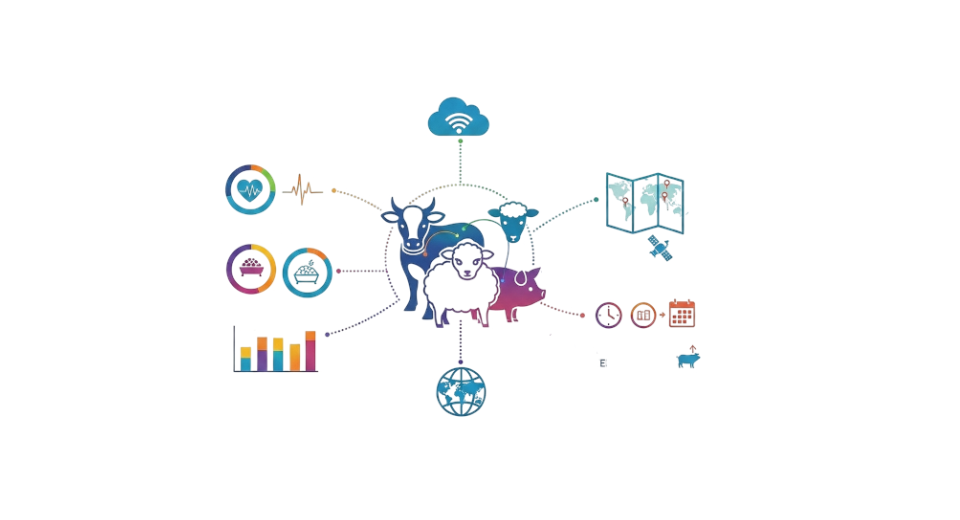
The report “Livestock Monitoring Market By Component (Hardware, Software, Services), By Technology (RFID & GPS Tracking, IoT-Enabled Monitoring System, Wearable Sensors, Biometric & Health Sensors, Others), By Livestock Type (Cattle, Sheep & Goat, Poultry, Swine, Others), By Application (Health & Disease Management, Breeding & Reproduction Management, Feed & Nutrition Management, Activity & Behavior Monitoring, Others)” is expected to reach USD 9.60 billion by 2033, registering a CAGR of 19.30% from 2026 to 2033, according to a new report by Transpire Insight.
Worldwide, more farms now use tech tools to keep animals healthier and work smarter. Because people want more milk, beef, and related goods, better herd control matters more than before. Devices like trackers, digital tags, and wearables are spreading fast across pastures and barns. Instead of guessing, farmers see activity, location, and vital signs as they happen. Outcomes include fewer sick animals, less waste, and stronger output. What once relied on instinct now runs on live data feeds.
Out in the field, gadgets like trackers, wearable tags, and live monitors lead the pack, offering nonstop updates straight from the animal. These tools pair well with digital dashboards that sort through numbers, highlight trends, plus handle settings from afar. Support comes through expert guidance, regular upkeep, and smooth setup help when linking systems together. Most use zero in on spotting illness early, staying ahead of outbreaks. Next come efforts tied to mating cycles, improving diets for better growth, tracking movement patterns, all adding up to smarter, leaner farm routines.
North America holds the top spot, thanks to quick tech uptake, widespread commercial agriculture, and rules that back innovation. The United States stands out most here. Farm upgrades push Asia Pacific forward fast; demand for milk and meat climbs, so does attention to how animals live and how well farms run. Even Europe sees shifts, as do parts of Latin America and regions across Africa and the Middle East, where more farmers now try digital tools and smarter methods, whether on large plots or smaller ones.
The Hardware segment is projected to witness the highest CAGR in the Livestock Monitoring market during the forecast period.
According to Transpire Insight, expect growth in hardware to outpace other areas of the livestock monitoring market over the coming years. Rising use of sensors, wearables, GPS collars, and RFID tags on big and commercial farms fuels this trend. Real-time data on where animals are, how they’re feeling, and what they’re doing comes straight from these tools. That info allows better decisions around feeding, mating, and illness control. Focus on precise farming methods grows stronger. Cutting down waste and loss also pushes more interest in high-tech gear. Tools you can touch matter most when building full monitoring setups.
Not only does tech keep improving here, but tougher outdoor sensors show up alongside battery-smart GPS units. Devices now link into networked systems that gather info without human help. More money flows into intelligent farming setups as concern for animal well-being grows. Efficiency gains grab attention at the same time. From rich nations to developing ones, farms start using these tools more often. Speed stands out when you look at how fast the gear-based part expands worldwide.
The RFID & GPS Tracking segment is projected to witness the highest CAGR in the Livestock Monitoring market during the forecast period.
Expect the RFID and GPS Tracking part to grow fastest in Livestock Monitoring through the coming years. Real-time location updates push this rise, along with better control over herds and smoother daily work. Instead of guessing where animals are, farmers see their positions clearly. Tags and collars track movement across fields, cutting losses from strays or stolen stock. Grazing gets smarter when data shows which areas are underused or worn out. Handling hundreds of animals becomes less about guesswork, more about precision. Efficiency jumps when routines adapt to actual behavior, not schedules set long ago. Labor needs to shrink as automated insights replace manual checks. Large dairy and beef operations find these tools fit well with complex demands. Value comes not from flashy features but steady gains in time and oversight.
With support coming from IoT networks alongside cloud-powered oversight tools, real-time data gathering becomes automatic while distant control and insight help shape choices. Awareness spreads about precise animal care methods, especially where tech finds its way into both advanced and developing areas, pushing RFID plus GPS setups forward. What stands out now is how these signals place radio frequency identification and positioning systems at the core of fast-moving shifts in watching over herds.
The Cattle segment is projected to witness the highest CAGR in the Livestock Monitoring market during the forecast period.
According to Transpire Insight, Cows are expected to lead the livestock sector in tracking technology growth, thanks mainly to a strong worldwide appetite for milk and meat. Because herds run so big these days, especially in dairy and beef production, farmers lean heavily on digital tools that follow animal well-being, eating habits, breeding cycles, and even daily routines. Spotting illness sooner helps prevent spread, while better insights often lift milk output and streamline decisions across the group. With massive operations becoming common, keeping tabs through smart systems fits best where it matters most: large-scale cow farming.
From fitness trackers to smart tags, gadgets that log activity are catching on among ranchers who want live updates without delay. Because of programs pushed by authorities in places such as Canada and Germany, more farms now track animals to meet care standards and boost output. Devices tuned to cows sell best worldwide; no other barnyard creature pulls in quite the same interest or income across monitoring networks.
The Health & Disease Management segment is projected to witness the highest CAGR in the Livestock Monitoring market during the forecast period.
Growing fast in livestock tracking, health and illness control stands out most in the coming years. Because spotting sickness early matters more now, farmers lean on tools that watch animal signals closely. As herds demand better care, devices step in to catch problems before they spread. Vital checks happen constantly, feeding data that guides treatment choices. Shots get scheduled smarter, cutting gaps in protection. Fewer animals die when issues show up sooner. Better results follow stronger output, fewer surprises in costs. Big ranches use these systems, just like smaller ones do. Staying ahead of risk keeps every-sized farm involved.
New tech like wearables, body trackers, and smart monitors helps gather live updates, making quick responses possible. Because these tools feed constant info, farmers can act faster when animals show signs of trouble. Awareness around fair treatment of livestock is climbing, while rules get stricter, which pushes more farms to track health closely. People want better milk and meat, so producers turn to reliable tracking methods to meet those needs. With pressure from both society and markets, keeping animals healthy has become a top priority. Monitoring sickness and wellness now stands out as one of the most active areas in farm animal tech worldwide.
The North America region is projected to witness the highest CAGR in the Livestock Monitoring market during the forecast period.
What stands out about North America is its lead in livestock monitoring markets, thanks largely to how deeply embedded tech-driven farming has become across vast production sites. Leading that charge, the U.S. benefits from steady advancements in technology, well-established supply chains, and policy pushes focused on improving both care standards and output levels. Across these farms, tools like physical devices, location tags using RFID or GPS, body-worn detectors, and connected digital systems now play a central role in tracking everything from eating habits to reproductive cycles without slowing daily routines.
A clear understanding of how animals should be treated plays a big role. On top of that, farms are using digital tools to track conditions in real time. Research efforts receive steady funding, which helps new ideas take shape. Dairy, cattle, and chicken operations already run at scale, creating an ongoing need for tracking gear. Online buying channels work smoothly here, so getting equipment does not slow anyone down. Support services back up these systems reliably. Whether it is one barn or hundreds, tech reaches them all. Put together, this mix gives North America an edge that others struggle to match globally.
Key Players
Top companies include Allflex Livestock Intelligence, Zoetis, Cowlar, GEA Group, DeLaval, Nedap Livestock Management, SAS, Smartbow, SCR Dairy, Lely, AllyNav, Afimilk, BouMatic, Moocall, HerdDogg, C-Lock Inc., Sateliot, and CattleEye.
Drop us an email at:
Call us on:
+91 7666513636

 inquiry@transpireinsight.com
 APAC:+91 7666513636
 Address





