
Jan 03, 2026
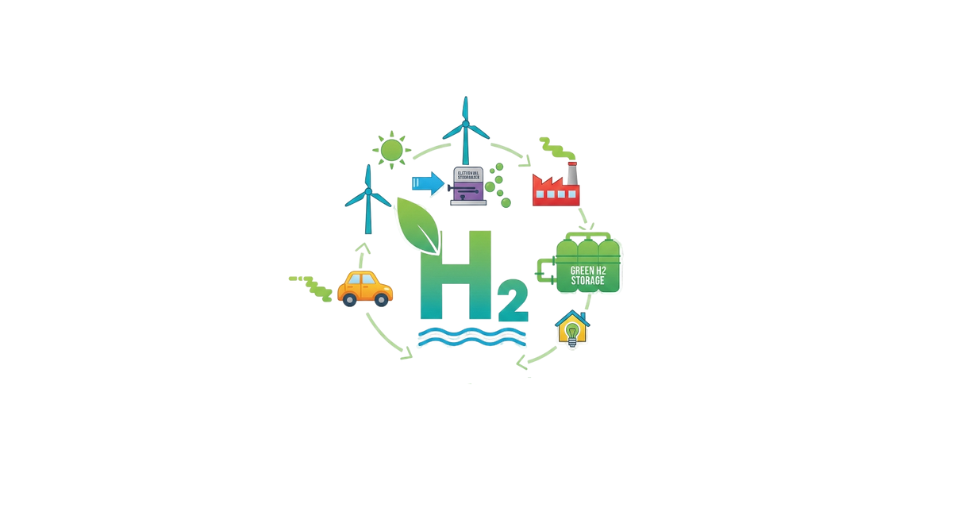
The report “Green Hydrogen Market By Technology (Alkaline Electrolyzers, Proton Exchange Membrane Electrolyzers, Solid Oxide Electrolyzers, Anion Exchange Membrane Electrolyzers), By Renewable Energy Source(Solar Energy, Wind Energy, Hydropower, Others), By Application (Ammonia Production, Methanol Production, Refining Processes, Energy Storage, Mobility & Fuel Cells), By End-Users (Transportation, Power Generation & Energy Storage, Industrial Feedstock, Residential & Commercial Heating, Electronics & Specialty Chemicals)” is expected to reach USD 119.67 billion by 2033, registering a CAGR of 59.97% from 2026 to 2033, according to a new report by Transpire Insight.
Right now, plenty of nations keep turning toward green hydrogen while firms push harder to clean up power networks via wind or solar split by machines that make hydrogen. This kind is not made from gas or coal; instead, it leaves no carbon trail behind, which gives heavy emitters a real chance to cut heat-trapping pollution fast. As tools that break water apart grow smarter and cleaner grids pop up more often, the whole idea feels less like fantasy, more like something taking shape across continents.
A shift begins in industries like chemicals, refining, steel, and freight, as they are pulling more green hydrogen into their operations. Green ammonia and green methanol find roles in farming inputs, marine energy, and electricity production, quietly lifting overall usage. Vehicles powered by fuel cells gain ground slowly, helped by new filling stations appearing over time. Money flows into these areas, shaping a future where demand keeps building without sudden jumps.
Fueled by policy backing, pressure to cut emissions pushes green hydrogen forward. Instead of waiting, nations offer funding that pulls investment toward clean fuel projects. Big hydrogen zones emerge where regions link up through shared infrastructure plans. Collaboration between agencies and companies speeds real-world rollout. Efficiency jumps in splitting water mean machines now do more with less power. Costs drop as technology matures alongside better access to wind and solar sources. Taken together, these shifts make producing green hydrogen increasingly practical.
The Alkaline Electrolyzers segment is projected to witness the highest CAGR in the Green Hydrogen market during the forecast period.
According to Transpire Insight, not far behind in growth, alkaline electrolyzers stand out thanks to solid track records and simpler designs that keep initial costs down. These units often last a long time while running nonstop at full power. They handle heavy workloads without losing efficiency. Factories and power setups lean on them because they deliver steady results over the years. Their widespread use comes from being dependable, not flashy. Even newer options have not caught up yet when it comes to real-world endurance.
Right now, big funding is flowing into massive renewable-powered hydrogen ventures, along with state-backed hydrogen zones. This push helps spread alkaline electrolyzers across the globe. Better efficiency keeps showing up through smarter setups and tighter links to wind or solar power, making these systems work better at larger sizes. Because of this steady progress, they are on track to lead the green hydrogen field more than any other tech type. Their growth pace looks set to stay ahead of others, too.
The Wind Energy segment is projected to witness the highest CAGR in the Green Hydrogen market during the forecast period.
Fueled by surging onshore and offshore projects, wind energy should grow fastest in the green hydrogen space over the coming years. Where strong breezes turn turbines, electricity flows steadily, ideal for feeding electrolyzers without draining resources. This kind of power runs deep in open landscapes and coastal waters, enabling constant output at competitive rates. Machines that split water thrive where the supply does not flicker or fade.
Fueled by steady backing from policymakers, offshore wind is gaining ground fast. Where breezes blow hardest along shorelines and open coasts, turbines run reliably, keeping hydrogen-making machines busy more often. This consistent flow cuts down on the price of producing clean fuel. With cash flowing into linked wind-and-hydrogen ventures, momentum builds quietly but steadily. Wind stands out now, not just as a source of electricity, but as the go-to origin for making green hydrogen at scale.
The Ammonia Production segment is projected to witness the highest CAGR in the Green Hydrogen market during the forecast period.
According to Transpire Insight, A surge in demand for cleaner fertilizers pushes ammonia makers toward greener methods. Instead of relying on fossil fuels, companies now turn to renewable-powered hydrogen to cut emissions sharply. This shift gains speed as climate pressures grow stronger across heavy industries. Production using green hydrogen avoids the high carbon footprint typical of older techniques. With regulations tightening worldwide, factories adapt fast to stay compliant. Growth here outpaces other sectors, fueled by clean energy advances.
A growing need for green ammonia is used in making electricity, powering ships, or sending hydrogen across borders. Support comes through policy perks and cross-border deals, while massive ventures get off the ground. These moves help it catch on fast, making ammonia one of the standout uses where green hydrogen expands quickest worldwide.
The Industrial Feedstock segment is projected to witness the highest CAGR in the Green Hydrogen market during the forecast period.
Close after that, industries want more raw stuff, especially for green hydrogen, where the need should rise quickest soon. Because cleaner air laws hit harder, production sites replace dirty routines slowly. Some chemistry hubs, workshops, smelters, these places pick lighter fuels bit by bit. That shift links to firm vows about cutting their climate burden. Progress here stays low-key; it grows without fanfare, just constant small moves.
With new money flowing in, factories are cleaning up their processes at a quick pace. Year after year, green hydrogen systems reach more places. Pushed by change, assembly lines adjust without delay. Because of this move, pollution drops fast, and local power grows tougher. More industrial sites now rely on this fuel source than before. Few notice at first, yet it shapes what comes next. Slowly, change grows where no one expects.
The North America region is projected to witness the highest CAGR in the Green Hydrogen market during the forecast period.
Across North America, growth in green hydrogen looks set to climb fast in the years ahead. Backed by firm government policies, the push to cut emissions is gaining ground. Funding schemes, plus efforts to build hydrogen hubs, help spark change. Tax breaks add fuel to the shift toward cleaner systems. Projects now taking shape aim at factories, vehicles, and electricity networks alike. Investment flows are turning attention firmly toward scalable solutions.
Fueled by rising interest in clean alternatives, refineries and chemical plants are shifting toward greener options. A surge in heavy transport using eco-friendly fuel adds momentum across industries. Major tech and power firms dive into projects that stretch beyond borders. With robust manufacturing needs pushing innovation, new infrastructure begins to take shape. Renewable systems grow stronger each year, supporting large-scale change. Cross-nation efforts spark fresh opportunities for overseas delivery. This blend of ambition and capability places the continent at the center of worldwide progress.
Key Players
Top companies include Air Liquide, Air Products, Bloom Energy, Cummins, Engie Impact, Linde Plc., Nel ASA, Siemens Energy, Toshiba, Uniper, ITM Power, Plug Power, McPhy, Sunfire GmbH, Enapter, John Cockerill, Longi, Newtrace, and Avaada.
Drop us an email at:
Call us on:
+91 7666513636

 inquiry@transpireinsight.com
 APAC:+91 7666513636
 Address





