
Feb 05, 2026
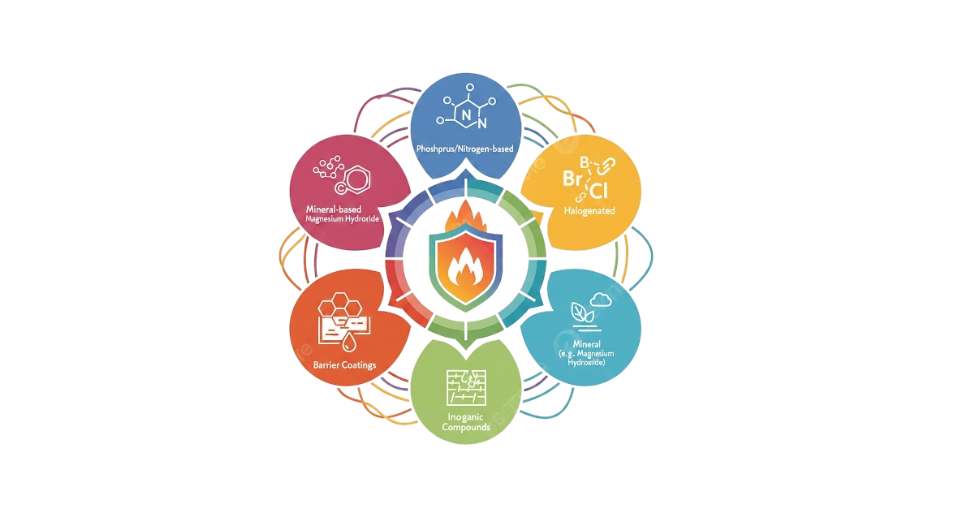
The report “Flame Retardants Market By Type (Halogenated Flame Retardants, Non-Halogenated Flame Retardants), By Form (Solid, Liquid), By Application (Plastics & Polymers, Building & Constructions, Electrical & Electronics, Textiles, Automotive & Transportation), By End-Users (Automotive, Electronics, Construction Industry, Consumer Goods, Industrial Manufacturing), ” is expected to reach USD 15.60 billion by 2033, registering a CAGR of 6.70% from 2026 to 2033, according to a new report by Transpire Insight.
Burning slows down when flame retardants step into the picture, helping keep things safer in many fields. Plastics lean on them, so do fabrics, paints, and sometimes even tiny parts inside gadgets. Safety gets a boost without shouting about it; standards quietly get met. Heat toughens new materials today, making these helpers more useful than before.
Something shifts when safety meets sustainability in modern fire protection. Progress shows up through cleaner formulas that protect people without harming nature. These new materials behave well inside cutting-edge plastics and layered structures. Better science now backs stronger reactions against flames. Performance stays sharp even as ingredients turn gentler. A different kind of chemistry takes hold where long-term impact matters just as much as immediate results.
Safety rules are tighter now, so more people want flame retardants, especially since fires worry many in factories, offices, and homes. Construction firms, tech makers, car builders, and even toy producers are all adding these chemicals to keep things safer. With global standards rising, staying safe matters more than ever before. Materials today simply do not work without them baked right in.
The Non-Halogenated Flame Retardants segment is projected to witness the highest CAGR in the Flame Retardants market during the forecast period.
According to Transpire Insight, the push for cleaner fire safety drives demand in the non-halogenated flame retardants sector. As awareness grows about toxic buildup and harm to ecosystems, companies shift away from older chemical types. Because of tighter rules on certain chlorine- or bromine-based substances, many now choose options posing less risk. Growth comes not just from regulation but also from cautious buyers wanting safer materials. This part of the market expands fastest since protection no longer means sacrificing well-being.
Despite varied industry needs, building work, gadgets, vehicles, and everyday items increasingly rely on these materials because they meet tough rules around safety and environmental impact. Thanks to steady progress in compounds using phosphorus, nitrogen, or mineral bases, their effectiveness has risen, especially when paired with newer substances. That shift helps explain why non-chlorine flame blockers look set to grow steadily in the years ahead.
The Solid segment is projected to witness the highest CAGR in the Flame Retardants market during the forecast period.
Despite being tricky to imagine, the chunky kind still tops charts among fire blockers thanks to how simply it mixes into many plastic types and factory blends. Found everywhere from synthetic parts to building panels, these hard forms spread evenly when made, boosting safety against flames while keeping stuff strong.
With steady results in different uses, solid flame retardants tend to stay a top pick among makers. Because they mix well with many polymers without losing effectiveness, these materials hold up under pressure. When it comes to meeting strict safety rules while keeping product quality, firms lean on solids more often. Over time, as needs for dependable fire resistance grows, this type keeps gaining ground. Expectations point to ongoing use at high levels, pushing overall market gains forward through the years ahead.
The Plastic & Polymers segment is projected to witness the highest CAGR in the Flame Retardants market during the forecast period.
According to Transpire Insight, with polymers spreading fast through factories and workshops, demand for flame retardants keeps climbing. Because plastic lives inside phones, cars, walls, and everyday items, slowing flames becomes non-negotiable. Safety rules push makers to add protective chemicals while keeping products tough and easy to shape. Growth here is not sudden; it builds quietly with every wire coated, every dashboard molded.
Lighter, stronger plastics becoming more common pushes the need for better fire-resistant additives that work well with today’s plastic mixes. Because new ways to shape and form polymers keep emerging, safety-focused material choices gain ground - flame-blocking components now matter more than before inside plastic products. This shift helps maintain a steady rise in demand across the coming years.
The Electrical & Electronics segment is projected to witness the highest CAGR in the Flame Retardants market during the forecast period.
A surge in demand for electronics is pushing up the need for flame-retardant materials, especially as homes, offices, and factories rely more on powered systems. Because circuitry parts like wiring, enclosures, joints, and printed panels must resist heat risks, these additives become essential. Safety rules keep tightening, so makers turn to protective chemicals that prevent flames from spreading during faults. Performance requirements now make fire resistance non-negotiable in most device designs.
Fires spark more concern as gadgets get smaller yet pack stronger power. Because of tighter designs, safety steps must keep up. Flame-resistant stuff now matters a lot more in tech gear. Growth pushes forward when protection meets performance. Stronger needs drive better choices across devices. Progress ties closely to how well materials resist heat. Demand climbs quietly but steadily behind the scenes.
The North America region is projected to witness the highest CAGR in the Flame Retardants market during the forecast period.
Fueled by tough fire codes, North America's flame-retardant market inches forward. Because buildings, gadgets, cars, and factories must meet safety rules, the need stays stable. Officials push materials that resist flames, helping keep communities safer. This push keeps buyers coming back, industry after industry. Growth holds firm, not flashy just steady.
What stands out now is how more people pay attention to safer, eco-friendly materials across the area. Because of that shift, companies in North America keep pouring resources into next-level fire-resistant options without harmful halogens. Meeting green rules matters, but so does keeping up with what buyers actually want these days. It helps that strong research skills and fresh ideas flow steadily through the industry here. All this adds weight to the region’s influence on market movement ahead.
Key Players
Top companies include Albemarle Corporation, BASF SE, ICL Group Ltd., LANXESS AG, Clariant AG, Italmatch Chemicals S.p.A., Huber Engineered Materials, Nabaltec AG, Dow Inc., Adeka Corporation, Avient Corporation, Thor Group Ltd., Akzo Nobel N.V., Daihachi Chemical Industry Co., Ltd., Zhejiang Wansheng Co., Ltd., RTP Company, and Sinochem Group.
Drop us an email at:
Call us on:
+91 7666513636

 inquiry@transpireinsight.com
 APAC:+91 7666513636
 Address





