
Feb 05, 2026
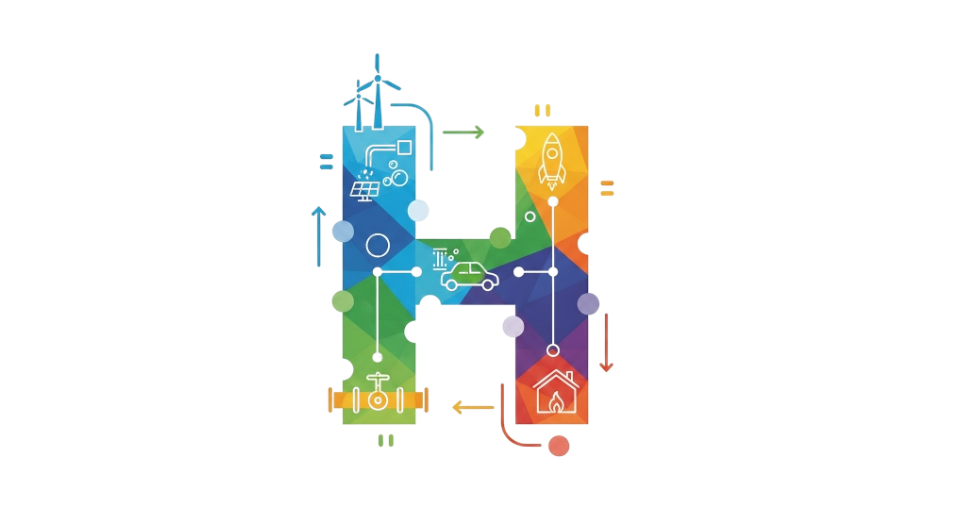
The report “Hydrogen Market By Production Method (Grey Hydrogen, Blue Hydrogen, Green Hydrogen, Turquoise Hydrogen, Red Hydrogen), By Technology (Steam Methane Reforming, Partial Oxidation, Coal Gasification, Electrolysis), By Application (Petroleum Refining, Ammonia Production, Methanol Production, Transportation, Power Generation, Energy Storage), By End-Users (Chemical Industry, Oil & Gas Industry, Automotive, Energy & Utilities, Metal & Mining, Food & Beverage)” is expected to reach USD 420.00 billion by 2033, registering a CAGR of 8.70% from 2026 to 2033, according to a new report by Transpire Insight.
Now shaping up fast, the hydrogen market meets growing demand for cleaner energy choices. Not just fuel but also raw material, that's how widely it fits into industry needs. Because it cuts pollution in so many areas, plans for future power systems lean on it heavily. Seen everywhere from factories to transport, its impact grows without drawing attention.
It's not just about how things are made; methods shape markets more than most realize. Old-school ways stick around because factories depend on what already works. Even so, greener options creep forward as people worry more about the air and the earth. Efficiency gets a boost not from one big leap but from small jumps in tools that split water, trap carbon, and even reuse waste heat. Scale follows quietly behind progress, not ahead. Viability shows up where tech meets real-world use, step by slow step.
Fuel cells move forward, yet factories still rely on hydrogen for making chemicals and cleaning fuel. Instead of fading away, it finds new roles in vehicles, electricity plants, and even storing surplus power. Companies across sectors turn to it not just for cleaner output but also smoother shifts between energy sources. Momentum builds quietly, driven by smarter tech, steady rules, and rising use. Over time, this quiet rise positions hydrogen deep within the structure of worldwide low-carbon systems.
The Green Hydrogen segment is projected to witness the highest CAGR in the Hydrogen market during the forecast period.
According to Transpire Insight, what makes green hydrogen stand out now is its rapid rise as a key player in the hydrogen space, due to how it's made, splitting water using power from wind, sun, or other renewables, leaving no carbon behind. Because of that zero-emission edge, companies and nations aiming to cut fossil fuel reliance see it fitting neatly into their climate plans. Support follows: rules shift, money moves, and grants appear, all channeling effort into scaling up green methods. With solar and wind expanding fast, paired with better machines for splitting water, prices are inching closer to rival fuels, giving green hydrogen an upper hand in what comes next. Fewer roadblocks today mean more weight given to it when mapping where the market heads long-term.
Green hydrogen gains ground as it moves into areas like transport, electricity supply, storage, and mobile applications, offering cleaner options instead of oil or gas. Better ways to split water using electricity, smarter links to wind and solar power, along with more joint efforts between governments and companies. Growth picks up speed because of these shifts, pointing toward faster rises compared to other hydrogen types in the years ahead.
The Electrolysis segment is projected to witness the highest CAGR in the Hydrogen market during the forecast period.
Nowhere is growth more visible than in electrolysis, as demand shifts toward cleaner hydrogen made from renewables. Power from wind or solar feeds these systems instead of fossil fuels, pulling emissions way back. What stands out is how machines split water using clean electricity, turning it into fuel without heavy pollution. Progress comes through smarter engineering - units now adapt faster to shifting power inputs, run longer, and fit together like building blocks. Efficiency climbs while expenses shrink, opening doors where hydrogen was once too costly. Factories, transport networks, and power grids start relying on this method simply because it works under real conditions. Change is not coming; it’s already moving through pipelines and plants.
Pushed forward by government policies, demand for electrolysis grows alongside efforts to boost green hydrogen. Because clean energy targets matter more now, nations back tech that splits water using renewables. Projects rise where regulators ease pathways and fund early tests. Industry players shift toward these systems, especially when older methods face pressure to change. Better efficiency in machines helps, as does smarter engineering of parts and layouts. With rules adapting fast and new materials appearing, progress feels steady. This part of the hydrogen world moves more quickly than most others right now. Growth sticks close to real-world testing and hands-on upgrades across supply chains. Momentum builds not just on promises but on working setups getting larger. Each step ahead leans on both policy pushes and practical gains made onsite.
The Ammonia Production segment is projected to witness the highest CAGR in the Hydrogen market during the forecast period.
According to Transpire Insight, Hydrogen plays a central role in making ammonia, turning this sector into a cornerstone of the hydrogen economy. Because fertilizers depend heavily on ammonia, farming worldwide leans on a consistent hydrogen supply. Even as industries evolve, ammonia stays essential, pulling along steady usage of hydrogen. This lasting need anchors much of the fundamental demand shaping the broader market.
Slowly, the way ammonia is made shifts toward greener methods as companies look to cut pollution from old techniques. Cleaner forms of hydrogen are starting to play a bigger role in making ammonia, pushed by climate rules and stronger pledges to lower emissions. Interest grows not just for eco-friendly fertilizer but also for using ammonia to store and move hydrogen energy. With its rising role in carrying hydrogen, how it's produced will keep changing through the years ahead, staying central to the broader hydrogen landscape.
The Chemical & Refining segment is projected to witness the highest CAGR in the Hydrogen market during the forecast period.
Hydrogen finds its biggest job in chemicals and refineries, where it has been central for decades. Because factories need it to make things like ammonia and methanol, usage stays high across chemical plants. Oil refineries rely on it just as much, especially when breaking down heavy oils or removing sulfur. Even though new uses are emerging, this part of the market keeps humming due to steady industrial needs. Without these everyday applications, the overall demand might waver, but right now, that does not seem likely.
Meanwhile, shifts in rules push chemical makers and refineries to rethink how they use hydrogen. Instead of waiting, many now test greener versions that cut pollution without slowing output or weakening results. Upgrades pop up across plants, some tweak old systems, others plug in new methods altogether. Hydrogen stays central here, even as it changes shape under fresh demands. Its role grows not because it's trendy but because it fits where few options reach.
The North America region is projected to witness the highest CAGR in the Hydrogen market during the forecast period.
Right now, North America stands out in the hydrogen sector not because it’s new, but because factories need it, pipelines already exist, and power networks are ready. Factories have relied on hydrogen for years; oil refineries, chemical plants, and heavy industry keep using it day after day. Instead of fading away, hydrogen is gaining attention as one path toward cleaner energy choices across the continent. Low-emission methods of making hydrogen matter more today than before, woven into how electricity, transport, and heating might work later. What once seemed niche now fits within wider efforts to shift how energy moves and gets used.
Right now, fresh ideas thrive here, backed by clear rules that push progress forward. Public groups team up with private players, fueling faster shifts toward using hydrogen widely. Instead of waiting, they build gear to make it, ways to move it, plus tools that rely on it daily, like vehicles or backup electricity systems. Some places store extra power this way, too. With climate targets tightening everywhere, efforts grow sharper across the continent. Because of sustained work here, breakthroughs often start in North America before spreading elsewhere. Its role keeps evolving steadily inside the world’s broader shift.
Key Players
Top companies include Air Liquide, Linde plc, Air Products and Chemicals, Inc., Nel ASA, Siemens Energy, Plug Power Inc., Bloom Energy, ITM Power, Cummins Inc., Engie, Shell, BP, TotalEnergies, Mitsubishi Heavy Industries, Iwatani Corporation, Chart Industries, McPhy Energy.
Drop us an email at:
Call us on:
+91 7666513636

 inquiry@transpireinsight.com
 APAC:+91 7666513636
 Address





