
Jan 01, 2026
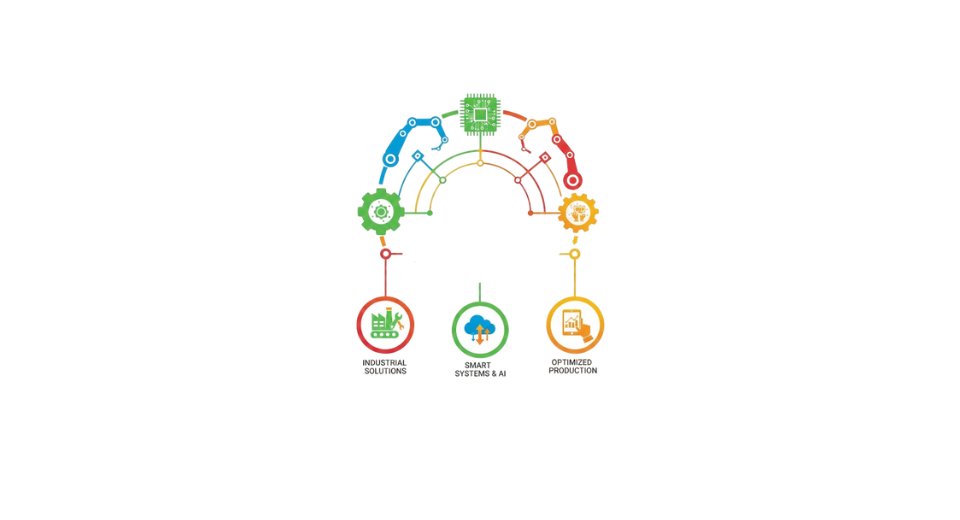
The report “Fab Automation Market By Automation Type (Material Handling Systems, Process Automation, Equipment Automation, Factory Control System), By Component(Robots, Sensors, Controllers, Software’s), By Fab Type (Foundries, Integrated Device Manufacturers, Memory Fabs), By Application (Wafer Processing, Wafer Transport & Storage, Inspection & Metrology, Assembly & Packaging)” is expected to reach USD 44.48 billion by 2033, registering a CAGR of 7.34% from 2026 to 2033, according to a new report by Transpire Insight.
Nowhere else is change happening faster than in chipmaking factories, turning to machines that move, track, and handle tasks without pause. These setups manage everything from tiny silicon wafers to full production lines using smart software layers working behind the scenes. Instead of people moving parts by hand, robotic arms glide along tracks, feeding tools exactly when needed. As phones, cars, and computers need smarter chips, pressure builds to make more without mistakes piling up. One wrong step ruins hundreds of circuits, so precision matters above all else. Factories now rely on digital command centers watching every second of output across clean rooms stretching acres wide.
Wafers must move through factories without touching anything dirty this pushes the push for machine-run setups. Moving parts fast, while keeping every step identical, matters more than ever before. Instead of people carrying materials, machines now do it: arms that grab, tools that sense, brains that decide. Factories making chips - whether independent ones or big brands - are fitting these systems into their lines. One wrong move ruins a batch, so removing mistakes becomes critical. Complex chip designs demand exact moves at many stages, which only steady automation can provide.
What's shaping the industry now is not just new tools, but also smarter software that helps factories run more smoothly. Predictive upkeep methods are gaining ground; these help avoid breakdowns before they happen. Control systems think ahead, adjusting on their own to keep things efficient. Factories watch processes more closely than ever, using artificial intelligence, spotting patterns humans might miss. Machines learn over time how best to manage tasks without constant oversight. Robots move wafers around with greater adaptability, fitting into different stages easily. Back-end steps like putting chips together and sealing them are seeing rising levels of automated workflows. Big startup costs can slow adoption down, and complex setups demand skilled teams. Yet fresh ideas keep arriving, backed by funding from public programs aiming to boost chip-making at home. Demand climbs steadily for output that wastes less material. Growth looks likely to continue despite early hurdles.
The Material Handling Systems segment is projected to witness the highest CAGR in the Fab Automation market during the forecast period.
According to Transpire Insight, faster movement marks today’s chip production; factories now turning to automated tools just to keep pace with tighter steps on silicon wafers. Moving parts around gets handled by smart systems, while machines adjust themselves mid-task, these pieces link up through central software running the whole floor. That push comes from gadgets using artificial intelligence, next-gen phones, electric cars, and even everyday portable tech. Each of these relies heavily on cleaner, swifter manufacturing made possible only through layered automation setups.
It comes down to clean wafer movement, speed, and steady output. Instead of relying on manual steps, chip makers like foundries, IDMs, and even memory producers are turning to robotic arms, smart sensors, control units, and adaptive programs. These tools take charge of moving wafers, watching operations in real time, plus fine-tuning machine behavior. Lately, signs point to sharper gains ahead. Artificial intelligence now helps refine production steps before flaws occur. Systems can forecast breakdowns, adjust handling for different wafer types, while partnerships between firms and funding from public sources add momentum behind the shift.
The Software segment is projected to witness the highest CAGR in the Fab Automation market during the forecast period.
Right now, factories making computer chips lean more on smart programs to watch over and fine-tune how things get built. These digital tools, like systems that run daily production, plan tasks, predict when machines need care, or analyze data instantly, are becoming essential. Without them, keeping output steady and waste low in intricate chip-making steps gets harder. As phones, artificial intelligence, and faster electronics push for better chips, software that runs these lines keeps gaining ground. Machines must adapt quickly, without errors piling up.
Software demand in chip manufacturing grows because factories want smoother operations, smarter upkeep schedules, and one system talking to another without hiccups. Factories making chips, whether custom plants, integrated firms, or memory specialists, are turning to digital tools that guide choices, cut idle time, and boost output. New shifts like artificial intelligence digging into data, factory controls running on remote servers, machines and detectors working as a team, push software further into every step of production. This momentum looks set to deepen how much software shapes the future of fully connected fabrication lines.
The Foundries segment is projected to witness the highest CAGR in the Fab Automation market during the forecast period.
According to Transpire Insight, nowhere else do machines move wafers so fast as inside modern chip foundries, where robots handle tasks once done by people. These factories serve many clients at once, pushing them toward smarter ways to run operations without errors piling up. Software now watches every step, adjusting conditions before tiny flaws can grow into big problems during manufacturing. Instead of waiting for breakdowns, sensors predict issues ahead of time, keeping output steady on cutting-edge chips. Demand keeps climbing because artificial intelligence needs faster processors, vehicles need more computing power, phones get smarter, and networks speed up. Each new device pulls more chips into play, forcing production lines to evolve or fall behind others racing forward.
It comes down to accurate wafer movement, fewer mistakes made by people, and smoother operations tailored to different customer needs. Equipment like robots, smart sensors, control units, plus advanced software, now see big spending factories aim for faster output and better daily performance. New moves in artificial intelligence fine-tuning tasks, forecasting when machines fail, and adaptable robotic setups all push growth ahead. Their place at the core of chip plant automation grows harder to replace.
The Wafer Processing segment is projected to witness the highest CAGR in the Fab Automation market during the forecast period.
Automation in wafer production pushes the Fab Automation industry forward, since machines help achieve accuracy, consistency, and speed during vital stages like patterning, cutting, coating, and washing. Machines handling wafers deliver better results by lowering dirt exposure and mistakes people might make, crucial when building modern computer chips. Rising needs for processors used in artificial intelligence, mobile networks, vehicles, and gadgets keep increasing the use of machines on silicon wafers.
What keeps demand rising in wafer processing? It's the push for steady control during manufacturing plus smoother handling of intricate production steps. Factories building chips now lean on robots, sensing devices, computing units, and digital tools that track performance while adjustments happen instantly. Lately, smart algorithms fine-tuning operations have started gaining ground; so has forecasting equipment failures before they occur. Toss in adaptable robotic systems linking into existing lines - growth picks up speed because of these shifts. This area stands out now, not just in size but in importance across factory-wide automation setups.
The North America region is projected to witness the highest CAGR in the Fab Automation market during the forecast period.
Fab automation market trends in North America
Home to top chipmakers, giant cloud operators, and deep-tech labs, North America stands out in factory automation for semiconductors. Because new tools arrive quickly here, robotic transport, machine coordination, real-time monitoring, and plant-level programs spread fast across facilities. Efficiency climbs when tasks flow more smoothly, errors drop, and machines talk seamlessly. Demand spikes, not just steady growth, come from power-hungry sectors like artificial intelligence, next-gen wireless networks, self-driving cars, and supercomputers. Machines adapt faster where innovation runs deep.
Spending on high-tech chip factories pushes demand across North America. New manufacturing methods shape how these facilities operate day to day. Automation tools now handle wafers with greater precision than before. Control systems adapt in real time due to smarter software oversight. One big shift comes from artificial intelligence fine-tuning production steps. Machines flag issues early, avoiding costly delays down the line. Robots work alongside factory management platforms, syncing tasks smoothly. Equipment makers team up with tech firms, building tighter workflows. This network of partners strengthens the region’s edge in automated fabrication. Progress here sets the pace for others worldwide.
Key Players
Top companies include Applied Materials Inc., Samsung, Einnosys, Fabmatics, TSMC, Mitsubishi Electric, NXP, Fabrication Automation, Electrotek, Tokyo Electron Limited, Lam Research Corporation, Daifuku Co. Ltd, Atlas Copco, Ebara Corporation, Murata Machinery Ltd, Kuka AG, and KLA Corporation.
Drop us an email at:
Call us on:
+91 7666513636

 inquiry@transpireinsight.com
 APAC:+91 7666513636
 Address





