
Jan 01, 2026
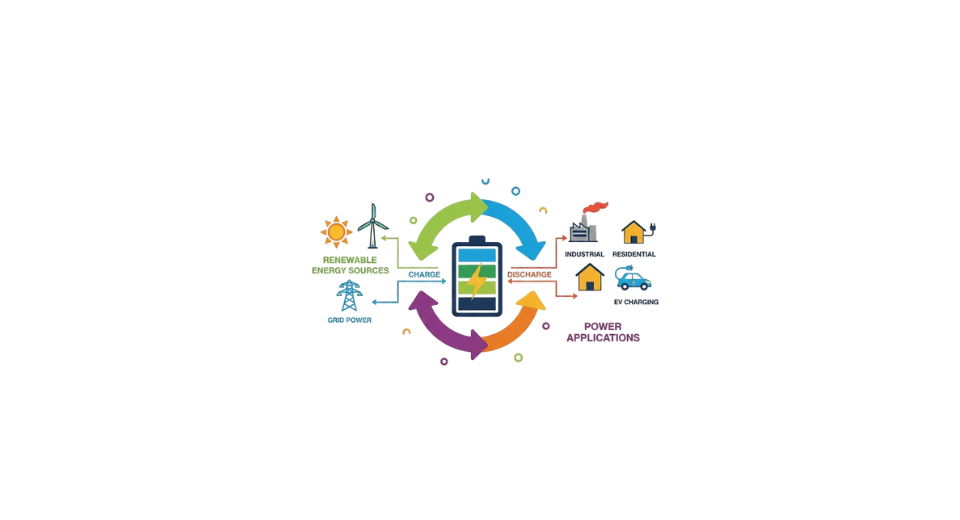
The report “Battery Energy Storage System Market By Battery Type (Lithium-Ion Batteries, Lead-Acid Batteries, Sodium-Sulfur Batteries, Flow Batteries, Others), By Connection Type (On-Grid Systems, Off-Grid Systems), By Power Rating (Below 1MW, 1-10MW), By End-Users (Residential, Utilities, Commercial and Industrial)” is expected to reach USD 136.37 billion by 2033, registering a CAGR of 19.57% from 2026 to 2033, according to a new report by Transpire Insight.
Energy gets saved in batteries through tools called Battery Energy Storage Systems, ready for use when needed. Built on tech like lithium-ion, lead-acid, flow cells, or sodium-sulfur, these setups go beyond just storage units. Power handling gear, controls, and smart software work behind the scenes inside each system. Homes, businesses, factories, and even large public grids make use of them differently. One moment, they smooth out electricity waves; next, they help match how much power comes in versus goes out. Stability improves. So does how well energy moves where it needs to be. Efficiency climbs without drawing extra resources. Renewable sources link up more easily because stored juice fills gaps when the sun or wind falls short. Utility networks rely on such buffers during peak loads. Quietly, day after day, they keep lights on while reducing strain on infrastructure. Not flashy, just functional, steady, always recalibrating behind the scenes.
Mainly, how fast solar and wind energy are expanding, so fast that they need storage because their output varies. Big power companies lead uptake, relying on massive battery systems to balance supply, smooth peaks, shift loads, and keep grids steady. More people needing electricity helps, too, along with upgrades to infrastructure and a growing reliance on reserve power in homes, businesses, and factories.
North America stays ahead when it comes to regional progress, thanks mainly to solid government backing, massive power projects, along with deep integration of clean energy - especially across the United States. Growth surges quickest in Asia-Pacific, fueled not just by bold green goals but also by expanding grids and widespread rollout seen in countries like China, India, Japan, and South Korea. Battery tech keeps shifting forward: lower prices for lithium-ion models appear now, storage capacity improves steadily, batteries last much longer than before, while new systems designed for extended output begin emerging - all helping define where the BESS sector heads next, hinting at steady gains years down the road.
The Lithium-Ion Battery segment is projected to witness the highest CAGR in the Battery Energy Storage System market during the forecast period.
According to Transpire Insight, it packs more power into less space, charges quickly, runs efficiently, and lasts many cycles. Growth in the BESS sector leans heavily on this type expect strong momentum through the coming years. Savings come from bigger production lines, smarter engineering, and dropping prices steadily. Utilities choose it, businesses install it, homes rely on it. Other types exist, yet they struggle to match performance across so many areas.
Lithium-ion batteries are spreading fast across renewable setups and electric transport, pushing up demand. Utilities now rely on them to manage grid rhythm, cut power peaks, and sometimes smooth out supply humps. Backed by solid policy pushes, rising funds for large-scale storage, and better safety features slowly emerging, their rise feels almost automatic. This tech stands tall - leading, expanding more quickly than others in the worldwide battery storage scene.
The On-Grid Systems segment is projected to witness the highest CAGR in the Battery Energy Storage System market during the forecast period.
With more renewables coming online, on-grid battery systems are seeing rising demand simply because they help keep the electricity supply steady. Power companies now rely on these setups to handle high usage times without hiccups. Instead of struggling with sudden shifts in flow, operators use stored energy to smooth out changes moment by moment. As grids grow busier, such storage acts like a buffer against strain. One major role includes holding voltage at safe levels across long distances. Without that balance, small disruptions could spread fast. Because solar and wind output varies so much, having batteries ready makes connections between generators and users far more reliable.
More money flowing into updated power grids helps push growth in connected battery systems. Government rules that support clean energy play a role, too. Solar and wind farms getting bigger adds further momentum. Power companies now install massive batteries directly tied to the network. These help keep the supply steady and cut down on blackouts. Efficiency gets better when such setups balance supply and demand. With renewables spreading across regions, these linked systems gain importance. Their presence shapes how fast the battery market expands. Expect them to stay central as needs evolve. Growth seems likely as long as the sun and wind contribute more.
The Above 10MW segment is projected to witness the highest CAGR in the Battery Energy Storage System market during the forecast period.
According to Transpire Insight, growth looks likely above 10 MW in the battery storage sector, as more big projects come online. With solar and wind spreading across the globe, heavy-duty systems now play a key role in managing power flow on grids. Instead of small setups, these large units handle tasks like smoothing supply swings or moving demand to off-peak hours. Driven by rising clean energy needs, major installations are becoming common at the utility level. Expect bigger footprints for batteries where stability and timing matter most. As infrastructure evolves, high-capacity solutions fit naturally into modern grid demands. More wattage means better support when renewables fluctuate unexpectedly. Projects once rare now appear regularly, shaped by long-term energy shifts. Capacity expansion ties closely to how fast wind and sun replace older sources. One thing stands clear -scale changes everything behind the scenes.
Now taking shape across regions, big batteries help keep lights on when usage spikes. Backed by rules that favor clean tech, these systems spread faster as prices drop. New ways to handle electricity flow make them smarter over time. When sun and wind farms go bigger, storage tagged at over 10 megawatts grows right alongside. That chunk keeps pushing the whole market forward.
The Utilities segment is projected to witness the highest CAGR in the Battery Energy Storage System market during the forecast period.
Fueled by a growing push for stable power networks, the Utilities part of the Battery Energy Storage System scene looks set to expand fast in the coming years. Rising amounts of wind and solar power mean grids face more ups and downs, so steady performance becomes harder. To handle swings in supply, utility firms now lean heavily on big battery setups that balance loads when demand spikes happen. These systems shift energy use across hours, helping avoid strain during busy times. Keeping voltage and flow under control turns into a top priority as clean but unpredictable generation spreads further.
More upgrades to power grids, along with favorable rules from governments and spending on green energy systems, help big battery storage projects move faster. With the rising need for electricity worldwide, utility companies now rely more on smart storage solutions to prevent blackouts, improve how power moves across lines, and stay aligned with climate goals. Even as energy demands climb and shifts toward cleaner sources gain speed, the role of these providers will continue shaping expansion in large-scale battery markets globally.
The North America region is projected to witness the highest CAGR in the Battery Energy Storage System market during the forecast period.
Growth here looks solid for battery storage systems across North America in the years ahead. Power networks are shifting, thanks to more wind and solar feeding into them. Government backing at both national and local levels helps too. Big power companies are launching major projects, while businesses set up their own units. They are becoming common fast. All this keeps the region out front worldwide.
Fueled by climbing power needs, one standout factor in North America's edge comes from falling battery prices. The region sees stronger momentum because backup readiness matters more now than before. Behind the scenes, the United States efforts shape much of this movement through large-scale storage funding. Support for linking clean energy into existing networks also plays a role. Instead of waiting, live projects are already spreading across public and private grids. Unexpected spikes in usage push companies to act faster. Factories, offices, and utilities alike shift toward these systems. This mix helps place the continent at the heart of global BESS expansion.
Key Players
Top companies include EnerSys, BYD, Tesla Group A.s., LG ESS Battery, Samsung SDI, Panasonic, Siemens Energy, General Electric, Nissan, and Volvo Energy. Total Energies, Enel Group, Enertechups, Nidec, Avaada, Schneider Electric, Scu Power, Rolls-Royce Plc, and Others
Drop us an email at:
Call us on:
+91 7666513636

 inquiry@transpireinsight.com
 APAC:+91 7666513636
 Address





