
Jan 01, 2026
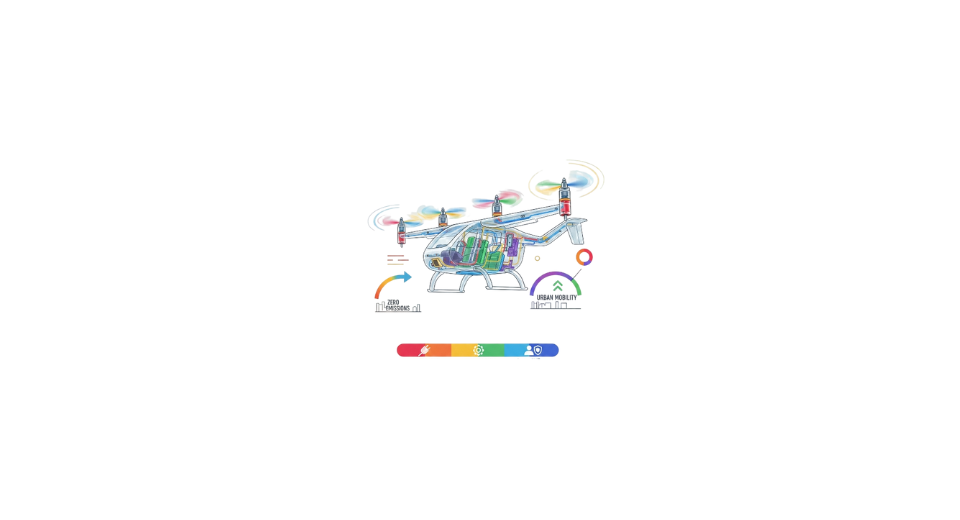
The report “eVTOL Aircraft Market By Lift Technology (Multirotor, Vectored Thrust, Lift Plus Cruise, Others), By Propulsion Type (Fully Electric, Hybrid Electric, Hydrogen Electric), By Mode of Operation (Piloted, Autonomous, Optionally Piloted), By Application (Urban Air Mobility, Cargo Transport, Emergency Services, Military & Defense, Surveillance & Monitoring, Others)” is expected to reach USD 11.58 billion by 2033, registering a CAGR of 35.34% from 2026 to 2033, according to a new report by Transpire Insight.
Flying machines that go straight up and down are showing up again, now powered by electricity instead of gas. These are not granddad’s choppers; they stay aloft using several small motor setups spread across their frame. That shift cuts noise, pollution, and drops moving parts. Power comes from batteries feeding many spinning rotors at once. They lift off and land standing still, no runway needed. Think parking lots, building tops, compact zones tucked into cities, places too tight for planes. Hover first, then move forward, gliding on quiet thrust. Less clatter than old rotorcraft, cleaner by design. Built differently: simpler guts, smarter layout. Rooftop hubs could become stops in daily routes. Efficiency sneaks in through smart engineering, not loud promises. Flight changes shape when wires replace turbines. No smoke. No roar. Just steady rise, then glide away.
Right now, most eVTOLs run on battery-powered electric engines, while some teams test hybrids or new hydrogen setups to boost how far they can fly and what they can carry. Starting upright like a helicopter, these machines shift into level flight using wings along with spinning blades, relying on either redirected power or separate lift-and-move parts. Surprising progress in storing more energy per pound in batteries, stronger yet lighter synthetic structures, and smarter onboard computers helps push the tech ahead. Hidden behind it all, machine learning plus upgraded navigation tools slowly make flying without constant human input possible, even when skies get crowded.
Picture flying cars cutting through city skies, quiet, electric, zipping past traffic jams. These are not sci-fi dreams but eVTOLs, reshaping how we think about getting around urban areas. Instead of roaring helicopters, they hum softly above streets, powered by batteries, leaving less noise behind. Some models carry passengers door-to-door, others deliver packages without a pilot on board. Firefighters might one day deploy them during rescues; inspectors could use them to check bridges or power lines swiftly. With rooftops turning into landing zones and new rules slowly taking shape, their arrival feels less like fantasy. Cities may soon see fewer delivery vans clogging roads, replaced by small craft rising vertically from hidden pads. Progress is slow, yet steady - the blueprint for sky travel is already unfolding.
The Vectored Thrust segment is projected to witness the highest CAGR in the eVTOL Aircraft market during the forecast period.
According to Transpire Insight, with better airflow control and longer distances covered than multirotor setups, vectored thrust is expected to grow fastest in the eVTOL market through the forecast years. Instead of fixed rotors, these systems shift propulsion from upward lift to forward motion, allowing easier shifts between hover and cruising at faster speeds. Because they handle city air travel and regional routes well, companies are putting weight behind this design. Growing interest from major builders means vectored thrust could become the go-to model for larger services.
Fueled by shifting priorities, city-to-city travel and ride-sharing flights push vectored thrust eVTOLs into sharper focus. These models handle heavier loads, stretch range, and sip less power. Since their flight patterns mirror those of regular airplanes when cruising, authorities find them easier to approve, while companies see smoother entry into daily operations. Momentum builds quietly: test units advance, paperwork moves forward, trust grows among users, and all signs point to quicker gains for this type of system over alternative methods.
The Fully Electric segment is projected to witness the highest CAGR in the eVTOL Aircraft market during the forecast period.
Ahead of the pack, the Fully Electric category looks set to grow fastest in the eVTOL aircraft scene through the coming years. Pushed forward by worldwide efforts to cut emissions in flight, plus leaps in how batteries perform, this segment gains ground. Because they run on electricity alone, these aircraft cost less to operate. They also make less noise and need fewer moving parts than models using fuel or mixed power sources. For city-focused air travel ideas, that makes them a natural fit. Rules now favor greener transport choices, helping speed things up. Money flowing into electric flight tech adds momentum, too.
Better batteries, quicker charging networks, and smarter heat control help electric air taxis fly farther and work more reliably. Because of these changes, builders can now satisfy basic needs for carrying people or goods over short or moderate distances. With urban areas pushing for greener travel options and companies looking for affordable planes that follow environmental rules, all-electric models are likely to grow quickly. For the next several years, they should stay the main type of power used in such aircraft.
The Semi-Autonomous segment is projected to witness the highest CAGR in the eVTOL Aircraft market during the forecast period.
According to Transpire Insight, right now, semi-autonomous models are expected to grow faster than others in the eVTOL market over the coming years, mainly because they mix dependable tech with strong safety records. These systems use smart tools for flying, route planning, and dodging obstacles, yet still keep a person ready to step in. That setup fits neatly within today’s aviation rules. Builders find it easier to launch services this way, easing into full autonomy without rushing ahead.
Even so, part-automated eVTOLs take pressure off pilots, smooth out flying patterns, and boost how smoothly things run, key for busy city flights plus delivery jobs. Some airlines, air cab networks, along with safety overseers, now see partial automation as a sensible middle stage before fully self-flying planes arrive. With clearer approval paths emerging, alongside smarter ways to handle crowded skies over cities, interest in these models will likely rise fast, pushing sharp growth across this niche.
The Urban Air Mobility segment is projected to witness the highest CAGR in the eVTOL Aircraft market during the forecast period.
Growth here beats other parts of the eVTOL market. Traffic jams push demand for quicker ways to move around town. These electric planes skip road delays entirely. Instead of cars, people could zip above buildings in minutes. Noise stays low compared to older aircraft types. There's no smoke coming out mid-flight either. Crowded metro areas find this especially useful. Big names in ridesharing are paying attention now. So are major carriers and officials who design city layouts. Their backing helps launch test routes faster than expected. Progress moves steadily despite hurdles along the way.
Beyond just funding, progress in building takeoff and landing hubs helps cities prepare for flying taxis. City planners now see these vehicles fitting into broader plans for cleaner, smarter transportation networks. With rules slowly taking shape alongside better control systems for low-altitude flights, operations start to look realistic. When people begin trusting the idea and the first paid trips launch successfully, demand could rise fast. That surge would make urban air travel the strongest force pushing electric aircraft forward.
The North America region is projected to witness the highest CAGR in the eVTOL Aircraft market during the forecast period.
Expect North America to grow fastest in the eVTOL plane sector ahead, due mainly to deep roots in aerospace work. Firms there grab new tech fast, backed by steady flows of funding from both business and government pockets. Big names in making these sky vehicles set up shop here, where research thrives, and rules evolve through active talks between agencies and creators. Cities start leaning into green flight ideas, pushing demand upward as traffic climbs and skies open wider.
Right now, cities across North America are testing electric flying taxis through real-world trials, building landing hubs, working alongside major airlines, connecting with app-based transit services, and joining forces with military groups. Money flows easily here, which helps, because more people want faster ways to move around crowded metro areas and nearby regions using air travel. With clearer rules taking shape for approving these aircraft, plus new facilities going up steadily, growth keeps moving forward fast. This pace should hold firm across the years covered in current projections.
Key Players
Top companies include Joby Aviation, Elbit Systems, Archer Aviation, Workhorse Group Inc., Lilium Jet, Volocopter GmbH, EHang Holding, Vertical Aerospace, Airbus SE, Wisk Aero, Honda Global, PPG Industries, Beta Technologies, AutoFlight, Stellantis, and DroneDJ.
Drop us an email at:
Call us on:
+91 7666513636

 inquiry@transpireinsight.com
 APAC:+91 7666513636
 Address





