
Mar 10, 2026
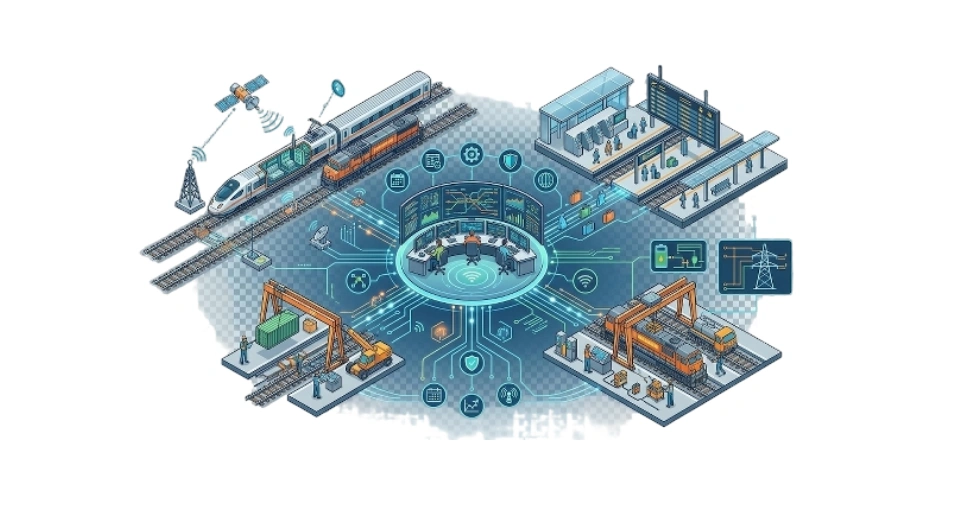
The report “Railway Management Systems Market By Component (Hardware, Software, Services), By Solution Type (Traffic Management System, Rail Asset Management Systems, Train Control & Signaling Systems, Communication & Network Systems, Passenger Information Systems, Operation & Maintenance Management Systems), By Application (Rail Traffic Control, Asset Monitoring & Predictive Maintenance, Crew Management, Energy Management, Ticketing & Fare Management, Safety & Security Management), By End-Users (Government & Public Rail Authorities, Private Rail Operators, Infrastructure Management Companies)” is expected to reach USD 50.00 billion by 2033, registering a CAGR of 7.60% from 2026 to 2033, according to a new report by Transpire Insight.
Despite steady tracks, change rolls through the railway management scene as digitization pushes forward. With automation gaining ground, operators now lean on smart tools to keep trains running safely and on time. Instead of scattered setups, today’s control centers bring together signals, movement oversight, equipment checks, and communications under one roof. This shift allows instant responses when disruptions strike. Rising demands from travelers, along with tangled freight flows, push agencies toward sharper systems. Smarter software helps cut wait times, fine-tune departure sequences while squeezing more value out of existing lines.
Growth here ties closely to new tech advances. Linking smart sensors, machine learning, forecast models, together with online systems, turns old-style rail setups into live networks that run on data flow. Instead of waiting, fixes happen before machines break, safety climbs higher because trains manage themselves more sharply now, and signals guide movements smarter than before. On top of that, virtual copies of physical assets paired with instant fault spotting shift upkeep toward early moves, stretch lifespan of key parts over the years ahead.
Not just profits but planet concerns push change in how rails run today. What keeps trains moving smarter lies partly in cutting waste while stretching every dollar further. Energy gets fine-tuned, paths shift smoothly, materials flow where they are needed most - thanks to sharper control behind the scenes. Safety online now matters more than before, so builders weave stronger shields into each design layer. Systems must speak to one another without hiccups, grow when required, and adapt without breaking stride. With tech reshaping travel everywhere, tools that link well and stand the test of time stay high on buyers' minds.
The Software segment is projected to witness the highest CAGR in the Railway Management Systems market during the forecast period.
According to Transpire Insight, Software takes the lead in growth in railway systems as digital upgrades speed up. Because rail companies want better oversight, they now pick smart platforms more often. These tools handle train movements from one spot while watching performance live. Thanks to machine learning and shared databases, fixes happen before breakdowns occur. Instead of old setups, many switch to online servers where info flows faster. Hidden inside daily operations, new dashboards quietly link signals, tracks, and schedules together. Safety climbs when alerts pop early, not late. Behind every delay avoided, code works harder than steel.
Now here’s another thing: software runs more easily at larger sizes, bends better to new needs, changes over time without high costs, unlike gear packed with physical parts, so train agencies lean toward it now. It just happens that machines doing tasks on their own, guards against digital threats built right in, plus speaking well with old systems keeps pushing smarter programs into higher demand. Right where rails link up tight and live off streams of information, code sits at the center, quietly steering how trains think ahead, shaping why this path grows fast in years, stepping forward.
The Train Control & Signaling Systems segment is projected to witness the highest CAGR in the Railway Management Systems market during the forecast period.
One reason the Train Control & Signaling Systems part of the market is growing. Safety matters more now. As trains move faster, staying apart becomes critical - so systems step in where people might slip up. Automation takes center stage when signals talk directly to locomotives. Think of it like a steady voice guiding each journey without pause. Money flows into tech that tracks every mile in real time. Centralized oversight lets controllers adjust flow before delays build. Efficiency gains come not just from speed but from how well paths link together. Fewer mistakes happen when machines handle timing down to the second. Capacity stretches further when routes breathe with smarter coordination. Growth follows where precision replaces guesswork.
Nowadays, upgrading old rail systems along with building faster and more urban transit lines pushes the need for advanced signal tech. Because safety rules get tougher, officials put smart train controls first, helping trains run more smoothly. When railways lean into automated processes and online links, these signaling setups hold everything together behind the scenes. With time, such systems grow deeper into how rails stay sharp and strong.
The Asset Monitoring & Predictive Maintenance segment is projected to witness the highest CAGR in the Railway Management Systems market during the forecast period.
According to Transpire Insight, because rail companies want fewer breakdowns and longer-lasting equipment, they are investing more in tracking assets before problems happen. Sensors connected to the internet now watch trains, rails, signals, and vital structures nonstop. Instead of fixing things after failure, teams use live data and smart tools to spot issues early. Fewer surprises mean safer trips and systems that work better over time.
Not only do predictive maintenance tools cut costs by minimizing hands-on checks, but they also shrink repair bills while avoiding major system failures. Because AI-powered analysis works alongside real-time monitoring, teams can base upkeep choices on actual performance data, streamlining how time and materials get used. With train systems growing denser and more reliant on information flow, watching assets closely and foreseeing issues now sits at the core of building intelligent rail networks.
The Government and Public Rail Authorities segment is projected to witness the highest CAGR in the Railway Management Systems market during the forecast period.
Expect government and public rail bodies to lead the Railway Management Systems market. National and regional administrations keep pushing updates to trains, safer travel, and digital infrastructure shifts. These agencies usually decide where big rail investments go, like better signals, unified traffic controls, or intelligent equipment tracking tools. Safer rides for travelers, less crowding, plus dependable operations steer their steady move toward smarter systems. They are choosing high-performance tech simply because it works when performance counts.
Now more than ever, state-supported financing initiatives push forward integrated railway management tech. Because rules require updates, older networks get modern tools faster. Officials care deeply about automated operations, meeting digital safety standards, plus cutting environmental impact. That concern feeds steady spending on smart tracking and response setups. Even so, trains still depend heavily on national priorities. Decisions made in capitals often set the pace for upgrades across lines. With rail seen as vital infrastructure, public agencies hold strong influence over what gets built next.
The North America region is projected to witness the highest CAGR in the Railway Management Systems market during the forecast period.
Trains move smarter now, thanks to fresh tech reshaping how tracks and schedules get managed from Canada down through the United States. Big rail companies shift budgets toward tools that watch performance closely while reducing delays and risks on busy lines. Instead of waiting for breakdowns, teams fix issues early using data streams pulled from sensors mounted along routes and rolling stock. Rules set by national agencies push these changes forward, especially after new laws started funding safer train operations. Money approved by Congress flows into projects tied to automatic braking systems plus network-wide tracking platforms built for today’s demands. Outcomes show fewer accidents, smoother cargo flow, and better timing for commuters relying daily on regional services. Behind the scenes, software powered by machine learning helps forecast problems hours before they might happen. Upgrades once delayed due to cost are now standard, driven partly by pressure to meet federal deadlines and avoid penalties. Signals blink faster, dispatchers respond quicker, equipment lasts longer - all linked back to decisions made months ahead using live dashboards. What used to take weeks to analyze gets spotted in minutes, allowing adjustments during shifts instead of next quarter.
Modern trains need less power, run on smarter schedules, thanks to data that spots issues early. Digital tools now guide daily operations, cutting waste while keeping service steady. Ticketing gets smoother as real-time updates help riders plan trips with ease. Better info flow means more people trust rail again, especially around cities. Vast tracks across the United States and Canada adapt quickly, adopting systems that handle more passengers without extra cost.
Key Players
Top companies include Alstom SA, Siemens Mobility, Hitachi Rail, ABB Ltd., Cisco Systems, Inc., IBM Corporation, Huawei Technologies Co., Ltd., Wabtec Corporation, Indra Sistemas SA, General Electric Company, Thales Group, Mitsubishi Electric Corporation, Schneider Electric SE, CAF S.A., and Nokia Corporation.
Drop us an email at:
Call us on:
+91 7666513636

 inquiry@transpireinsight.com
 APAC:+91 7666513636
 Address





