
Jan 23, 2026
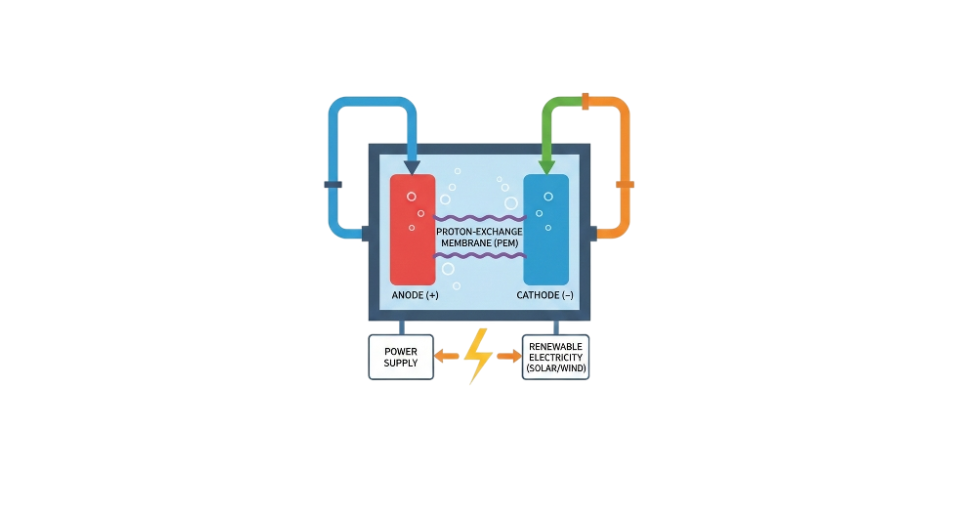
The report “Electrolyzers Market By Type (Alkaline Electrolyzers, Proton Exchange Membrane Electrolyzers, Solid Oxide Electrolyzers, Anion Exchange Membrane Electrolyzers), By Capacity (<1 MW, 1-10 MW, 10-100 MW, >100 MW), By Operation Type (Grid-Connected, Off-Grid), By End-Users(Energy & Utilities, Oil & Gas, Chemical & Petrochemical, Industrial Manufacturing, Transportation)” is expected to reach USD 48.60 billion by 2033, registering a CAGR of 29.60% from 2026 to 2033, according to a new report by Transpire Insight.
Water breaks into hydrogen and oxygen when electricity passes through it that job of machines called electrolyzers. These devices matter more now because the world wants cleaner ways to power things. Green hydrogen comes out of this process, useful in factories, vehicles, and even electric grids. Countries and companies aim lower at pollution, so they turn up interest in such tools. Growth shows fastest where heavy industry meets new energy needs.
Right now, different kinds of electrolyzers shape the tech landscape. Proton Exchange Membrane stands out because it reacts quickly, runs efficiently, besides linking smoothly with renewables. Although Alkaline models have been around longer, they remain a budget-friendly pick for big operations. Meanwhile, newer options such as Solid Oxide, along with Anion Exchange Membrane, are under study to stretch performance further, especially over extended periods. Work continues at labs and facilities aiming to boost effectiveness, lower expenses, and adapt these systems to fluctuating power inputs from wind or solar.
From powering vehicles to feeding chemical plants, hydrogen finds use across many fields. Utilities and factories rely on it, just as oil firms and transit networks do. Power-to-gas setups tap into their potential alongside wind and solar sources. As nations push cleaner options, rules now favor such fuels more than before. Money flows into pipelines, storage, and tech that splitsElectrolyzers water efficiently. These devices sit at the heart of change, quietly enabling lower emissions. A steady shift gains strength where energy once harmed the air and soil. Soon, what was niche may shape how cities breathe easier.
The Proton Exchange Membrane segment is projected to witness the highest CAGR in the Electrolyzers market during the forecast period.
According to Transpire Insight, Growth in the electrolyzers market may come quickest from Proton Exchange Membrane systems, thanks to strong performance and quick startup times. When sunlight fades or winds slow, these units shift output without delay, perfect where renewables feed the grid. Small size helps too; they fit neatly into large plants just as well as smaller setups. Working efficiently at high loads gives them an edge across factory and power station uses alike.
Even so, more need for clean hydrogen in transport, power backup, and factories pushes PEM tech forward. Because of climate goals, public agencies and businesses fund PEM electrolyzer efforts to build hydrogen systems. While scientists work on making units last longer, cheaper, and easier to produce, this type jumps ahead. Over time, it looks set to take a large part of the worldwide electrolyzer business.
The 1-10 MW segment is projected to witness the highest CAGR in the Electrolyzers market during the forecast period.
Fueled by practical needs, the 1–10 MW category stands out in the electrolyzer sector because it blends size with adaptability for business and factory uses. Not too big, not too small, this middle ground fits neatly into factories making hydrogen, tying wind or solar power into supply chains, even feeding gas networks on a neighborhood level. With this setup, companies gain control over output while sidestepping the steep costs tied to massive facilities.
Fueled by local hydrogen setups popping up everywhere, plus a surge in clean power funding, machines that split water into fuel are seeing higher interest, especially those built for mid-sized output. Power firms and factories lean toward units between one and ten megawatts since these fit neatly into current operations, grow step-by-step as needed, and go online fast once installed. That mix of flexibility and speed turns this particular size bracket into a quiet engine behind worldwide expansion in electrolysis tech.
The Grid-Connected segment is projected to witness the highest CAGR in the Electrolyzers market during the forecast period.
According to Transpire Insight, Stability matters most when making lots of hydrogen nonstop. Tied straight into the electrical network, these machines draw steady power without hiccups. Renewables feed them just as well as standard sources do. Efficiency rises because energy flows without gaps. Cost stays under control since supply matches demand closely. Performance runs smoothly when connections are solid.
More attention is now being paid to pairing hydrogen creation with clean power sources, linking large-scale projects to grid-powered electrolysis units. Utilities, industries, and energy firms place them more often into operations, not just cutting emissions but balancing supply swings across networks. These systems deliver adaptable, cleaner energy outputs, slowly shaping one of the strongest forces behind broader market growth.
The Energy & Utilities segment is projected to witness the highest CAGR in the Electrolyzers market during the forecast period.
A shift is underway in how energy gets stored. Big players in electricity are turning to hydrogen made by splitting water. Instead of relying only on batteries, they see value in keeping surplus power as gas for later use. This helps during times when demand spikes unexpectedly. Balancing supply becomes easier when wind and solar feed into these systems. Power firms now view this method not just as backup but as part of long-term planning. What started as a niche interest grows into something harder to ignore across utility networks.
More money flowing into big hydrogen ventures comes from power providers. Government backing and goals for cleaner energy help speed things up here. Power firms use machines that split water to make eco-friendly hydrogen centers. These spots aim at lasting change with fewer emissions. That shift gives this area a strong influence on how the market moves forward.
The North America region is projected to witness the highest CAGR in the Electrolyzers market during the forecast period.
Driving growth in North America’s electrolyzer scene. Solid policies light the way. Government backing pours in, fueling momentum. Cash flows into renewable setups across the region. The United States takes charge, pushing ahead fast. Federal money opens doors. Hydrogen hubs begin to form. Power companies join key efforts. These moves boost green hydrogen output. Tying it to wind and solar becomes a clear goal. Progress builds quietly but steadily.
Nowhere else are cleaner grids growing faster than here, where power companies, factories, and transit systems are shifting toward low-carbon solutions. With strong investment flowing into next-gen electrolyzers, the continent could lead worldwide output and become a center for breakthroughs in hydrogen at scale.
Key Players
Top companies include Nel ASA, ITM Power, Plug Power, McPhy Energy, Siemens Energy, Thyssenkrupp Uhde Chlorine Engineers, Ballard Power Systems, Toshiba Energy Systems & Solutions, Panasonic, Enapter, Proton OnSite, H-TEC Systems, Hyundai Hydrogen, Cummins Inc., Bosch, Air Liquide, and Linde.
Drop us an email at:
Call us on:
+91 7666513636

 inquiry@transpireinsight.com
 APAC:+91 7666513636
 Address





