
Jan 24, 2026
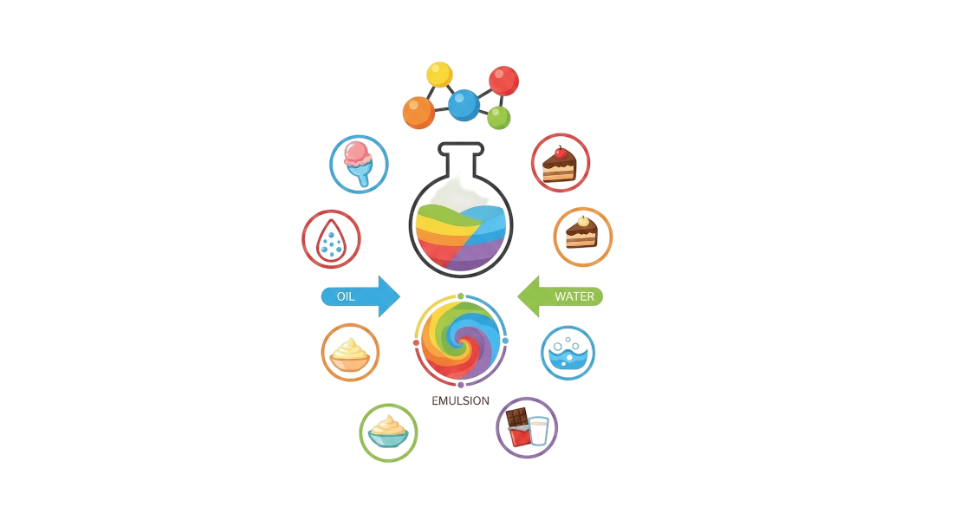
The report “Food Emulsifier Market By Type (Lecithin, Mono- and Diglycerides, Sorbitan Esters, Polyglycerol Esters, Sodium Stearoyl Lactylates, Others), By Source (Soy, Sunflower, Rapeseed, Others), By Form (Liquid, Powder), By End-Users (Food & Beverages Manufacturers, Bakery and Confectionery Units, Dairy & Ice Cream Producers, Processed Food Manufacturers)” is expected to reach USD 7.20 billion by 2033, registering a CAGR of 7.70% from 2026 to 2033, according to a new report by Transpire Insight.
Because emulsifiers keep ingredients from splitting, they show up in many processed foods. Baked goods rely on them just as much as creamy desserts do. What holds a sauce together often comes down to one of these additives. They change how things feel in the mouth, making textures smoother without drawing attention. Even ready-to-eat meals depend on their quiet presence. Without such substances, uniformity would be harder to maintain. Quality stays steady mainly because these components work behind the scenes. Long-lasting appeal in taste and touch traces back to careful formulation.
Folks lean toward natural options like soy, sunflower, or rapeseed lecithin; clean labels matter more these days. Yet factories still rely on lab-made types: mono- and diglycerides, polyglycerol esters, even sodium stearoyl lactylate for cheaper ways to fix texture and shelf life. What gets picked hinges on how it will work, what is needed in the recipe, plus local rules that shape decisions. Because every use case has its own demands, one size never fits all.
Bakery shops, candy makers, dairies, frozen treats, ready-to-eat meals, and drink producers rely heavily on emulsifiers, using them either as powders or liquids, depending on what works best. Though North America and Europe lead the pack thanks to long-standing food factories, it's the Asia Pacific region racing ahead now, fueled by more plants making food, cities filling up, plus sharper attention to how things taste and feel. What keeps pushing the worldwide emulsifier business forward is not just need, but fresh ideas meeting changing tastes, quietly shaping how food behaves.
The Lecithin segment is projected to witness the highest CAGR in the Food Emulsifier market during the forecast period.
According to Transpire Insight, Growth in the food emulsifier space leans heavily toward lecithin, thanks to its roots in nature and broad utility. Because consumers lean into simpler ingredient lists, lecithin fits right in. Texture gets smoother, spoilage slows down bakeries, candy makers, dairies, and chocolatiers all benefit. This stuff works well in many kinds of foods, which keeps it popular. Made from plants, free from genetic tweaks, newer versions pull interest from brands focused on transparency. As demand grows for cleaner labels, companies turn more often to these forms. Market movement follows where values shift. Expectations rise when ingredients match lifestyle choices. Popularity builds quietly but steadily under such conditions. What once stayed behind the scenes now takes center stage. Demand reshapes supply without loud announcements. Change happens because routines adapt first. Interest spreads through performance, not promises. Results speak louder than claims ever could.
Lecithin finds wider use as tastes shift toward baked goods and sweets, along with growth in packaged and milk-based foods across the globe. In places like North America and Europe, steady industrial capacity and informed buyers push it forward into daily production cycles. Meanwhile, Asia Pacific gains speed because companies there look for clean-label ingredients that improve texture, freshness, and appeal without synthetic additives.
The Soy segment is projected to witness the highest CAGR in the Food Emulsifier market during the forecast period.
Despite rising alternatives, soy remains central in supplying lecithin due to its role across baked goods, sweets, milk products, and ready-to-eat meals. Functioning beyond basic blending, these plant-derived additives enhance mouthfeel while holding recipes together under varied conditions. Because they work well in large factories just as much as small kitchens, reliance on soy continues growing quietly behind the scenes. Their adaptability in different mixes keeps manufacturers returning, even when exploring newer options.
More people want straightforward, plant-powered foods - especially where folks pay close attention to wellness and planet-friendly choices. Not far behind, North America and Europe stay ahead thanks to long-standing food production networks. Meanwhile, across the Asia Pacific, change is picking up speed not because of trends, but due to more factories making ready-to-eat items and households with greater buying power.
The Powder segment is projected to witness the highest CAGR in the Food Emulsifier market during the forecast period.
According to Transpire Insight, despite being less flashy than liquids, powdered emulsifiers keep gaining ground in factories because they last longer and stay stable. Their ability to mix smoothly into dry recipes makes them a quiet favorite across industries. Bakers lean on them just as much as makers of sweets or cheese-like products do. Accuracy matters when blending ingredients; powders deliver that without fuss. Even in complex meals built from dried components, these additives help hold everything together evenly.
Fueled by growth in ready-to-eat meals and industrial baking, demand rises for dry blending agents that simplify mass output. While North America, along with Western Europe, stays ahead due to long-standing factory standards, the Asia Pacific region gains speed, lifted by more sealed snacks rolling out daily, plus a stronger pull toward dependable, shelf-ready components.
The Bakery & Confectionery Units segment is projected to witness the highest CAGR in the Food Emulsifier market during the forecast period.
Baking and sweet-making spots should grow fastest, simply because emulsifiers help dough behave better, feel softer, trap air well, and last longer on shelves. Lecithin, along with mono- and diglycerides, shows up everywhere bread that slices clean, cakes that rise right, and chocolate that flows without snagging. These helpers keep things steady during making, stop gummy changes later, and let machines run without hiccups. From muffins to marzipan, they shape how things look, taste, and move through factories. Their quiet work means fewer ruined batches, more predictable results every single time.
Baked treats and sweets see stronger demand as cities grow, alongside the spread of factory-style bakeries and candy makers. On one hand, North America, along with Europe, leads because its food factories have long been active, plus people there spend more on such items. Over in the Asia Pacific, growth picks up speed thanks to more dessert making, higher pay for households, and shifting tastes in what people like to eat.
The North America region is projected to witness the highest CAGR in the Food Emulsifier market during the forecast period.
With steady appetite across bakeries, candy makers, dairies, and ready-to-eat food producers, North America ranks among the top regions consuming food emulsifiers. Firms based in the United States and Canada lean toward premium options of lecithin, often chosen for smoother consistency, longer freshness, better product reliability, alongside cleaner ingredient branding that lines up with eco-conscious buyers.
Strong food processing tech helps. Reliable delivery networks make a difference, too. Shoppers pay close attention to what they eat, especially when it comes to health and freshness. New types of emulsifiers are entering production lines more often now. Companies pour funds into useful additives sourced from plants. All this pushes the market forward steadily. That is why North America stays ahead on the world stage.
Key Players
Top companies include Cargill, Archer Daniels Midland Company (ADM), BASF SE, Kerry Group, Ingredion Incorporated, AAK AB, Associated British Foods (ABF), SunOpta Inc., CHS Inc., Fuji Oil Holdings Inc., CH Biotech Co., Ltd., Lipoid GmbH, Lecico GmbH, Kerry Group, Croda Industrial Specialities, Neos Global, and Chemvera.
Drop us an email at:
Call us on:
+91 7666513636

 inquiry@transpireinsight.com
 APAC:+91 7666513636
 Address





