
Feb 09, 2026
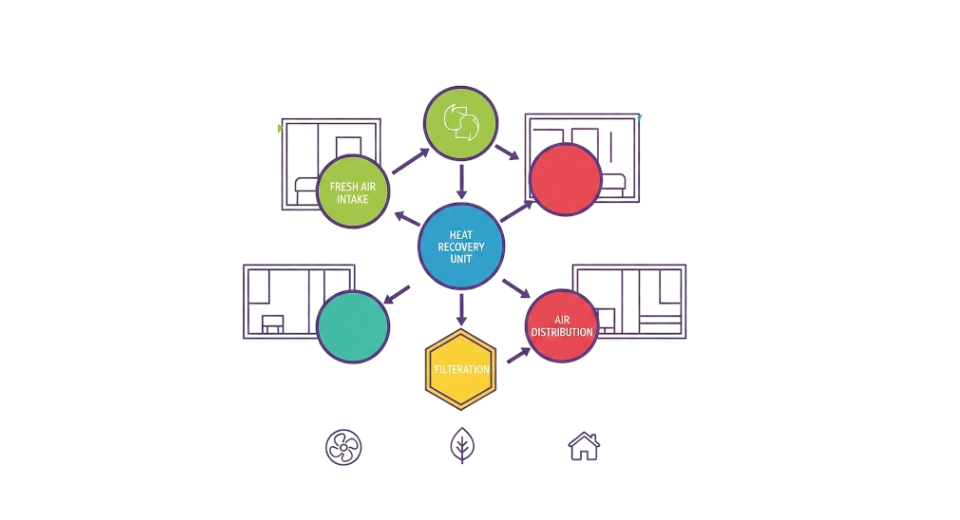
The report “Decentralized Ventilation Systems Market By Product Type (Without Heat Recovery Systems, Heat Recovery Ventilation, Energy Recovery Ventilation, Balanced Ventilation Systems, Demand-Controlled Ventilation, Exhaust Air Systems), By Installation Type (Ceiling-Mounted Units, Wall Mounted Units, Floor-Mounted Units, Others), By Application (Residential Buildings, Commercial Buildings, Industrial Facilities, Public Buildings, Healthcare Facilities), By End-Users (Homeowners, Builders, HVAC Contractors, Facility Managers, Architects)” is expected to reach USD 9.20 billion by 2033, registering a CAGR of 7.10% from 2026 to 2033, according to a new report by Transpire Insight.
Out there, more builders are turning toward decentralized ventilation as a smarter way to manage air flow without relying on old-school central setups. Room by room, these units work on their own, but adding ducts just is not doable. Instead of one big system running everything, each part handles its space, which helps fine-tune how much air moves through. Because they adapt easily, upgrades or brand-new buildings benefit equally. Energy dips down when only the needed areas get attention. Comfort climbs up when settings match actual needs. One piece fits here, another there - no overhaul required. Efficiency shows up quietly, not shouted. Control stays local, yet results add up across entire structures.
Fresh thinking about cleaner indoor air drives interest, since standalone units handle airflow, moisture levels, plus filtering out contaminants. Focus shifting toward wellness indoors - homes, offices, schools - pushes the need for steady ventilation that runs nonstop while keeping energy waste low.
Fueled by new tech, the market shifts as heat reuse blends into designs alongside tighter control over airflow. Efficiency climbs when systems watch themselves, adjusting without constant oversight. Lower bills follow because less power gets wasted day after day. Maintenance slips into the background - easier, quieter, far less intrusive. Users lean toward these units not out of trend but need: steady results, room to grow, performance that holds firm.
The Heat Recovery Ventilation segment is projected to witness the highest CAGR in the Decentralized Ventilation Systems market during the forecast period.
According to Transpire Insight, not far behind in demand, the Heat Recovery Ventilation (HRV) portion of decentralized ventilation systems gains traction thanks to smarter energy use without sacrificing indoor air freshness. Exhaust air gives up its warmth before leaving, transferring that energy to outside air coming in. Because of this swap, less work falls on heaters and coolers to reach comfortable temperatures. Buildings focused on steady airflow plus lower energy bills find these setups naturally appealing.
Fueled by smarter building trends, demand grows for compact heat recovery setups that work well in updated spaces as much as fresh builds. Not tied down to one type of structure, these units adapt easily where air quality rules tighten, and efficiency matters more. Because they link smoothly into automated environments, performance stays steady without constant oversight. Savings pile up slowly but surely, making them stand out when decisions get made about upgrades or replacements. Momentum builds behind this option, especially as cities push cleaner indoor climates forward.
The Wall-Mounted Units segment is projected to witness the highest CAGR in the Decentralized Ventilation Systems market during the forecast period.
Hanging on walls, these units are seeing a rise in demand because they fit easily into existing spaces and need little room. Since renovations often face tight layouts, such setups work better than big central networks or ones built into ceilings. Without taking up much area, their small size handles airflow for single rooms effectively, skipping the need for long duct runs altogether.
On top of savings from quick setup and simpler upkeep, wall-based decentralized setups allow freedom in where they are placed. Because more people want adaptable ventilation that cuts energy use while cleaning indoor air, these units are seeing wider use. Their role keeps expanding, making them stand out as one area set to grow steadily in the years ahead.
The Commercial Buildings segment is projected to witness the highest CAGR in the Decentralized Ventilation Systems market during the forecast period.
According to Transpire Insight, despite steady trends elsewhere, commercial structures now push demand higher for decentralized ventilation setups. Comfort matters more these days - so do lower power bills and cleaner air inside. Think offices adjusting flow just where people gather, not blanket settings across floors. Retail spots follow suit, tuning airflow room by room as needs shift through the day. Even hotels apply such units to match guest presence without wasting effort. Control happens locally, adapting quietly as activity changes in each space.
Renovations pop up a lot in office spaces, which is why some turn to standalone vents that bend around changes without fuss. Since these units install faster, cause less downtime during work hours, and adapt smoothly when rules shift, more businesses quietly switch to them over time.
The HVAC Contractors segment is projected to witness the highest CAGR in the Decentralized Ventilation Systems market during the forecast period.
With more pros suggesting compact units, the HVAC contractor niche could see a rise in demand for simpler airflow setups. Since these standalone models skip bulky channels through walls, putting them in takes less time. Faster jobs mean crews finish quicker, which fits well with how most teams work today. Because setup gets easier, servicing stays straightforward too, no big overhaul needed down the line.
Out in the field, HVAC pros find decentralized units easier to work on thanks to their plug-and-play setup and straightforward upkeep. Because these systems are simpler to maintain, service visits take less time, helping build stronger client relationships over the years. A shift toward smarter, lower-energy options that fit neatly into older buildings has made such setups more appealing lately. With buyers asking for modern upgrades that save power without major renovations, contractors now pick decentralized models more often than before. This steady rise in preference is shaping how fast this part of the market expands through the coming years.
The North America region is projected to witness the highest CAGR in the Decentralized Ventilation Systems market during the forecast period.
Out here in North America, demand keeps rising for decentralized ventilation systems because people now pay more attention to how clean the air indoors really is. Energy-saving tech in buildings isn’t just a side note anymore; it pulls weight in shaping choices. Builders lean into greener methods, one project at a time. High-performance airflow setups fit into modern standards like pieces clicking together. What once seemed optional now feels necessary under tighter performance demands.
People want ventilation setups that adapt easily and work smarter. Comfort matters more now, and so does saving power. Buildings everywhere are making space for these upgrades. Rules nudging toward efficiency help too, pushing simpler, standalone units into wider use. Add internet-connected sensors, automatic adjustments, and suddenly old models feel outdated. Even homes pick up on this shift, not just offices. What sticks is flexibility paired with quiet performance. Decentralized designs fit without major changes.
Key Players
Top companies include Daikin Industries, Mitsubishi Electric Corporation, Panasonic Corporation, Johnson Controls International plc, Carrier Global Corporation, Lennox International Inc., Systemair AB, Swegon Group AB, Zehnder Group AG, Greenheck Fan Corporation, Aldes Group, Vent-Axia Group Ltd, Broan-NuTone LLC, RenewAire LLC, Vortice S.p.A., Venmar Ventilation, and TROX GmbH.
Drop us an email at:
Call us on:
+91 7666513636

 inquiry@transpireinsight.com
 APAC:+91 7666513636
 Address





