
Feb 08, 2026
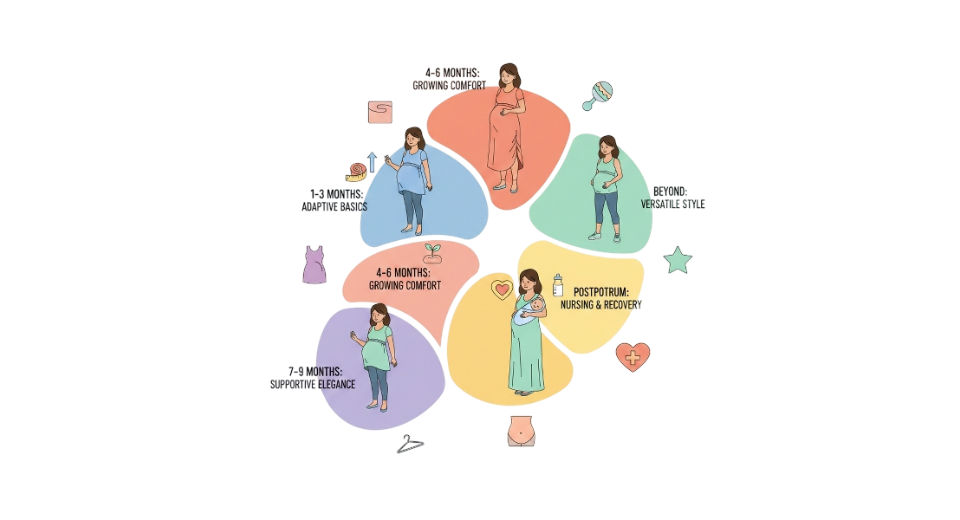
The report “Maternity Apparel Market By Product Type (Outerwear, Innerwear,Nightwear & Loungewear, Activewear / Sportswear, Support Garments), By Form (Casual Wear, Workwear / Formal Wear, Activewear / Fitness Wear, Intimate Apparel & Sleepwear, Occasion / Party Wear), By Fabric (Cotton, Spandex / Elastane blends, Polyester blends, Denim, Sustainable / Organic fabrics) and By Distribution Channel (Offline Retail, Online / E-commerce, Direct-to-Consumer (DTC))” is expected to reach USD 31.90 billion by 2033, registering a CAGR of 7.00% from 2026 to 2033, according to a new report by Transpire Insight.
Increasing awareness of specialist clothes made to promote comfort, flexibility, and functionality during pregnancy is fueling the market for maternity gear, which is expanding steadily. Clothing designed to suit changing body structures while preserving comfort and style is referred to as maternity attire. This includes outerwear, innerwear, sportswear, and support items. Fashion-oriented clothing that combines style and functionality has replaced basic functional wear in the market, reflecting shifting customer expectations and lifestyle preferences. The requirement for professional and informal maternity wear that may be worn to everyday activities and the increasing number of women entering the workforce are driving demand for maternity clothing. Manufacturers are being urged to concentrate on adjustable designs and multipurpose products as consumers look for more adaptable clothing that can be used during pregnancy and the postpartum period.
Additionally, both established and emerging economies are seeing increases in spending on specialty maternity clothes due to growing urbanization and rising levels of disposable income. The maternity clothing market's buying habits have changed dramatically as a result of the growth of internet shopping channels. E-commerce platforms accelerate market penetration by providing easier access to multinational brands, a wider range of products, and pleasant shopping experiences. Additionally, manufacturers can use digital platforms to interact directly with customers and offer customized products, which increases repeat business and brand loyalty. As the market for organic textiles and ecologically friendly production methods grows, sustainability trends are having a bigger impact on product creation. To improve comfort and usability, brands are spending money on materials that are skin-friendly, flexible, and breathable.
The Outerwear segment is projected to witness the highest CAGR in the Maternity Apparel during the forecast period.
According to Transpire Insight, The market for maternity clothing is dominated by outerwear because of its widespread use and adaptability to many settings. Compared to other clothing categories, maternity pants, dresses, shirts, and leggings are more frequently purchased because they are necessary wardrobe pieces during pregnancy. Brands are being urged to launch adaptable designs with flexible textiles and customizable fits as consumers place a higher value on apparel that adapts to body changes without sacrificing style. The dominance of outerwear in the product category is further reinforced by its capacity to meet both prenatal and postnatal needs.
Additionally, the proliferation of maternity outerwear collections across mass-market and premium labels has been facilitated by pregnant consumers' increased fashion consciousness. In order to allow expectant mothers to preserve their individual style preferences, retailers are increasingly integrating maternity fashion with popular clothing trends. The availability of apparel with several uses and patterns that are seasonal has also enhanced consumers' perceptions of product value. Because it strikes a mix between comfort, practicality, and design, outerwear continues to dominate the maternity apparel market as it moves toward lifestyle-oriented buying.
The Casual Wear segment is projected to witness the highest CAGR in the Maternity Apparel during the forecast period.
The market for maternity clothing's top application segment is casual wear, which is mostly driven by consumers' need for comfort and everyday utility. The need for casual maternity clothes is sustained because pregnant consumers tend to emphasize attire that is appropriate for everyday activities, home settings, and casual outings. As body shapes alter during pregnancy, the segment benefits from multiple cycles of product replacement, which further supports revenue development. Relaxed fits, breathable materials, and flexible designs that improve comfort without sacrificing style are becoming more and more popular among manufacturers.
Furthermore, casual maternity clothing has become more popular due to shifting lifestyles and a growing need for comfortable clothes. Brands have been prompted to launch casual apparel that combines modern styling with usefulness due to the growing popularity of athleisure and relaxed wearing trends. Another factor driving up demand for comfortable daily wear is the growth of remote and hybrid work environments. Casual wear continues to hold the top spot among maternity apparel applications as consumers continue to value functionality and adaptability.
The Cotton segment is projected to witness the highest CAGR in the Maternity Apparel during the forecast period.
According to Transpire Insight, Cotton continues to dominate the maternity clothing industry because of its exceptional skin-friendly qualities, breathability, and comfort. Natural textiles are the recommended option for everyday wear because pregnant customers frequently have more sensitive skin. Maternity clothing made of cotton improves comfort in a variety of climates by regulating temperature and absorbing moisture. Its price and broad availability encourage extensive use in both mass-market and premium product categories.
Additionally, the demand for cotton fabrics especially organic cotton varieties has increased due to growing consumer awareness of sustainability and health issues. Cotton blends that offer flexibility without sacrificing softness or durability are being used by manufacturers. Because of its adaptability, the fabric can be used in a variety of product categories, such as nightwear, innerwear, and outerwear. Cotton continues to dominate the market because comfort is still a major element in maternity garment purchases, and this dominance is bolstered by both practical and environmental factors.
The Online / E-commerce segment is projected to witness the highest CAGR in the Maternity Apparel during the forecast period.
Online and e-commerce channels have emerged as the leading distribution segment in the maternity apparel market due to convenience and expanded product accessibility. Customers may explore a vast array of designs, sizes, and price points without being restricted by geography thanks to digital channels. Customers are now more confident when buying pregnant clothing online thanks to the availability of customer feedback, thorough size charts, and simple return policies. This change has decreased reliance on physical retail infrastructure while allowing businesses to reach larger audiences.
Additionally, businesses can implement tailored product suggestions and focused marketing techniques through direct involvement via digital channels. Online platforms are very useful for meeting specific needs for maternity clothing as well as new fashion trends. Online sales growth has been boosted, especially in emerging nations, by rising smartphone usage and the acceptance of digital payments. E-commerce continues to be a major factor influencing the distribution dynamics in the maternity clothing market as consumer buying habits continue to move toward digital convenience.
The North America region is projected to witness the highest CAGR in the Maternity Apparel during the forecast period.
Due to significant adoption of specialized maternity clothing and high consumer awareness, North America is the largest regional market for maternity apparel. Consistent market demand in the US, Canada, and Mexico is a result of well-known brands, sophisticated retail infrastructure, and robust internet penetration. The region's consumers are more willing to spend money on high-end, useful maternity clothing, which promotes product diversification and innovation. Furthermore, a growing focus on wellbeing, comfort, and the incorporation of fashion during pregnancy promotes long-term market expansion. Because of its sizable consumer base and significant impact on fashion trends on the adoption of maternity clothes, the United States continues to be the region's largest provider. Access to the market has been further enhanced by the growth of digital retail channels and direct-to-consumer businesses. Growing consumer preferences in the area are also in line with the growing demand for eco-friendly textiles and multipurpose maternity wear. North America continues to play a key role in determining the trends of the global maternity clothing industry as innovation and brand competition heat up.
Key Players
The top 15 players in the Maternity Apparel market include Seraphine Group Limited, Destination Maternity Corporation, Mothercare plc, H & M Hennes & Mauritz AB, ASOS plc, Gap Inc., Nike, Inc., Adidas AG, Thyme Maternity (Reitmans (Canada) Limited), Ingrid & Isabel, LLC, Hatch Collection LLC, Isabella Oliver Limited, PinkBlush Maternity, Boob Design AB, and Ripe Maternity Pty Ltd.
Drop us an email at:
Call us on:
+91 7666513636

 inquiry@transpireinsight.com
 APAC:+91 7666513636
 Address





