
Jan 17, 2026
The report “Connected Agriculture Market By Component (Hardware, Software, Services), By Connectivity Technology(Cellular, LPWAN, Satellite Communication, Wi-Fi Bluetooth, Zigbee), By Farm Type (Small Farms, Medium Farms, Large Farms), By Application (Precision Farming, Crops Health Monitoring, Greenhouse & Indoor Farming, Livestock Monitoring Smart Irrigation & Water Management)” is expected to reach USD 20.15 billion by 2033, registering a CAGR of 18.20% from 2026 to 2033, according to a new report by Transpire Insight.
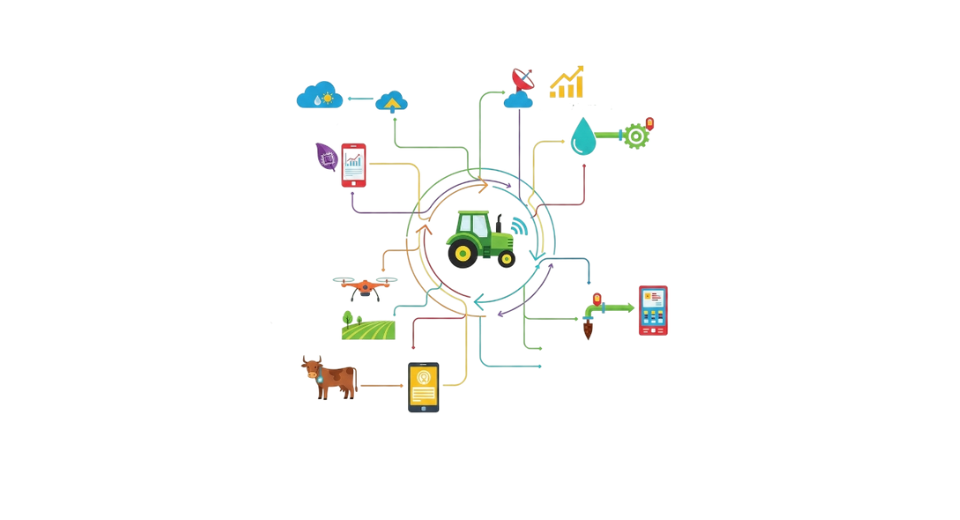
Out in the fields, digital tools like sensors and internet-linked gadgets are changing how farming works. Instead of guessing, growers now track plant growth, dirt moisture, temperature shifts, animal well-being, and machine status as things happen. Information flows into online systems where patterns start to show up clearly. Decisions once made by habit or instinct now rely on what the numbers say. Moving away from old routines, farms begin operating with sharper accuracy. Efficiency rises when actions match actual needs. Tools talk to each other, people see more, waste drops.
Nowadays, farms are turning to smart tech because saving resources matters more than ever. Water gets where it needs to go due to sensors that track soil moisture in real time. Machines move across fields without a driver, guided by signals from above. Farmers watch crops grow from screens miles away, spotting trouble before it spreads. Not anymore does software weigh weather trends against historical yields. Fertilizer lands only where needed; drones map gaps others miss. Equipment alerts come through apps, long before breakdowns happen. Less guesswork means fewer mistakes, especially when seasons shift unpredictably. Labor runs thin during harvest that gap shrinks when machines pitch in.
Farming stays greener when systems share clear data about where things come from. Spot-on use of resources becomes possible through digital oversight, cutting down harm to nature while meeting legal standards. Clear records travel with crops thanks to networked tools, making it easier to track what happens at every step. Safer food reaches people because each link in the process can be checked. Confidence grows among growers, sellers, and buyers when visibility replaces guesswork.
The Software segment is projected to witness the highest CAGR in the Connected Agriculture market during the forecast period.
According to Transpire Insight, what stands out is how fast the software part of Connected Agriculture is growing, due to more farms using data-focused methods alongside digital tools. Instead of guessing, growers now pull information from gadgets like sensors, drones, machines with GPS, and even satellites. From that point on, they can study patterns related to planting schedules, expected harvests, ground conditions, bugs, and sickness in plants, making choices as things unfold. Over time, these systems lead to better results in output, lower spending on supplies, and smarter use of water, fertilizer, and land.
More than ever, farms rely on tools built around artificial intelligence, data analysis, cloud systems, and smart algorithms, pushing demand higher. Instead of one-time purchases, many now get these tools through ongoing subscriptions or online access, opening doors even for smaller operations. Support comes from both private agribusinesses and public agencies aiming to boost transparency, meet rules, and track food origins more clearly. While sensors and machines handle field tasks, it is the software tying everything together, networks, devices, decision aids - turning into the core hub across modern farming setups. What started as an add-on now leads change, growing faster than any other part in connected farm technology.
The LPWAN segment is projected to witness the highest CAGR in the Connected Agriculture market during the forecast period.
Farm-sized networks using low-energy signals may grow fast in agriculture tech. Because they reach far while using little power, these systems fit wide-open fields better than older types of connections. Instead of needing constant charging, devices stay online longer, useful when measuring rain levels or checking dirt conditions out where towns fade away. Places without regular internet service benefit most since wiring poles and cables get expensive. Technologies like LoRaWAN or NB-IoT handle scattered tools that watch crops, animals, and sky patterns across distant zones. Distance matters less now when gathering daily field data.
Now more than ever, farms both big and small are turning to LPWAN because it fits well with precise, expandable farming methods and live tracking across fields. Because it sends data steadily without needing a heavy setup, the equipment lasts longer on batteries while daily expenses go down. When linked to online farm tools, these networks help people make better decisions about watering crops or handling animals. Even as smart farming systems grow busier and more layered, LPWAN stands out as a go-to way to stay connected - quietly pushing the whole market forward.
The Large Farms segment is projected to witness the highest CAGR in the Connected Agriculture market during the forecast period.
According to Transpire Insight, Farms with big acreage are expected to grow fast in the Connected Agriculture space as money flows into tech that runs on data and automation. Because they handle broad fields, costly crops, and tangled daily tasks, there's a real push for gear like pinpoint planting software, water systems that adjust themselves, driverless tractors, and sensors that report live updates. Using these tools helps massive farms run more smoothly, lose less seed or fertilizer, and get steadier harvests over wide plots of land.
Big fields now lean more on numbers to guide choices, using smart tools that tie everything together so work flows better and grows without breaking down. Machines talk to one another while dirt, plants, people, and gear get watched from one main spot, helping foresee breakdowns before they happen or catch plant issues earlier. Out front are those who test out clever software taught by machines, pictures shot from space, and fast links between devices because getting the most back matters when size means risk. It's these habits chasing efficiency through live feedback loops that mark big operations as central players shaping how digital farming spreads.
The Precision Farming segment is projected to witness the highest CAGR in the Connected Agriculture market during the forecast period.
Farming with exact methods should grow fast in the networked farm tech space ahead, thanks mainly to rising demands for better input use and stronger harvest results. Using details pulled from ground monitors, GPS tools on machines, flying drones, plus images from orbiting satellites, guides how crops are handled spot by spot, like adjusting seed numbers, feeding plants, or watering them differently across fields. That careful method lets growers waste less stuff, get more output per area, spend less day-to-day, all reasons why precise techniques sit at the heart of smart, linked-up farming systems.
Farms, big or mid-sized, now lean on smart tech more than before. Because data tools, AI, and live tracking work better together, they help farmers make faster choices. Insights pop up clearly when systems watch fields nonstop.
The North America region is projected to witness the highest CAGR in the Connected Agriculture market during the forecast period.
North of the United States border, activity in farm tech is picking up fast. A growing trust in digital tools among growers in both the United States and Canada. Instead of old methods, many now rely on GPS-guided tractors, moisture sensors, automated watering setups, and constant crop tracking. These are not just gadgets; they help get more out of each acre while coping with fewer workers available. Vast fields dominate here, which makes scaling new systems easier than elsewhere. Tech startups focused on crops and soil also cluster around key agricultural hubs, feeding momentum. Equipment talks to software, data flows into decisions, and results shift season to season. Growth is not guaranteed, but conditions right now tilt that way.
Government support that actually works. Farmers already know about eco-friendly methods, thanks to years of outreach. Big farm businesses keep pouring money into new tools. That push speeds things up across North America. Solid internet links make it easier to roll out wireless systems on fields, whether using cell signals, low-power wide-area setups, or satellites. Data is becoming essential. Because of this shift, the area stands out - not just ahead but growing fast - in smart farming tech adoption.
Key Players
Top companies include Trimble, John Deere, AGCO Corporation, Raven Industries, CNH Industrial, Topcon Positioning Systems, Hexagon AB, Bosch, Siemens, Deere & Company, PrecisionHawk, AgEagle Aerial Systems, IBM, SAP, Oracle, Bayer Crop Science, Syngenta, Deere & Company (Deere Digital), and Telus Agriculture.
Drop us an email at:
Call us on:
+91 7666513636

 inquiry@transpireinsight.com
 APAC:+91 7666513636
 Address





