
Jan 17, 2026
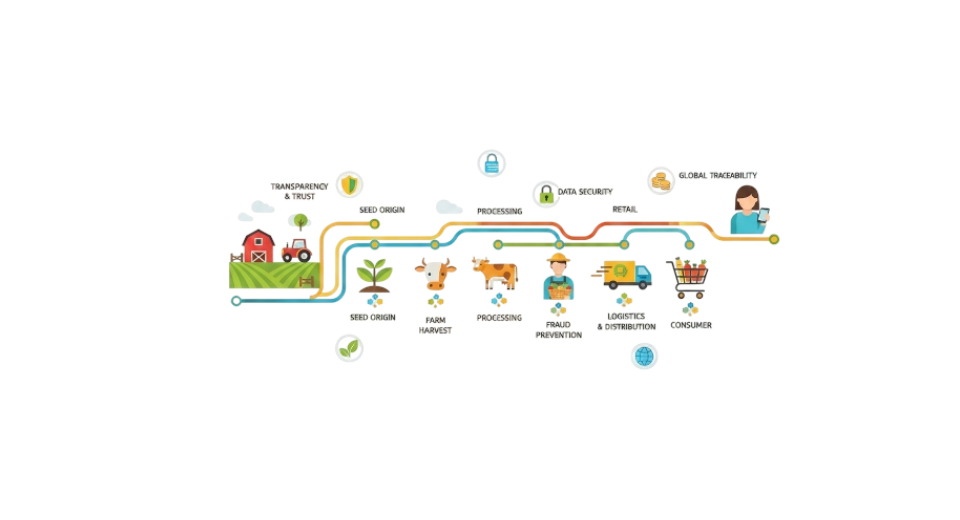
The report “Blockchain in Agriculture and Food Supply Chain Market By Blockchain Type (Public Blockchain, Private Blockchain, Hybrid Blockchain), By Provider(Application & Solution Providers, Middleware providers, Infrastructure & Protocol Providers), By Application (Traceability, Product Provenance & Anti-Fraud, Smart Contracts, Payment & Settlement, GRC, ESG &Sustainability Tracking), By End-Users (Farmers & Growers, Food Manufacturers & Processors, Retailers & Grocers, Consumers, Government & Regulatory Bodies)” is expected to reach USD 13.60 billion by 2033, registering a CAGR of 30.60% from 2026 to 2033, according to a new report by Transpire Insight.
A fresh wave moves through farming and food delivery, driven by a need for clearer records, stronger confidence, and steps that flow better. Old ways stumble on scattered details, poor tracking, paperwork done by hand, opening doors to errors, slowdowns, spoiled goods. A digital ledger fixes this patchwork, locking information safely so everyone involved, from growers to inspectors, sees the same version without fear of changes.
One big reason farms and stores are using blockchain lies in how well it follows food from field to fork. Starting at harvest, each step gets written into a common digital record that everyone trusts. When something moves, say, lettuce heading to a supermarket, that change shows up right away. If there’s ever a problem, pulling back bad batches takes less time because the path is clear. Fake goods become harder to sneak in when every detail stays visible. Shoppers begin to trust labels more once they see real proof behind claims about freshness or origins. Knowing where things come from matters now more than before. Standing out in crowded shelves means showing honesty through data, not slogans. Behind the scenes, this tech quietly shifts how responsibility travels along with the produce.
Automation gets a boost when blockchain uses smart contracts alongside digital processes. Streamlined payments come about because contractual steps follow one after another without middlemen. Compliance reports update themselves as conditions change within the system. Digital tools like sensors feed live information into these chains, strengthening how farms connect to markets. Supply networks grow tougher by relying less on guesswork and more on verified data. Rules and standards become easier to meet when every step is recorded transparently. Change spreads slowly but surely across fields, warehouses, and stores worldwide.
The Private Blockchain segment is projected to witness the highest CAGR in the Blockchain in Agriculture and Food Supply Chain market during the forecast period.
According to Transpire Insight, with tight control over who sees what, private blockchains fit well when farms, suppliers, and buyers handle delicate details like prices or recipes. Firms lean toward these networks since only approved users can join, keeping records safe yet visible where needed. Instead of leaving everything open, businesses set clear rules on entry, matching how real-world partnerships operate. Even with limits on access, everyone involved gains clearer views into shipments, batches, and agreements. Because trust matters so much, many choose closed systems that track every step without exposing secrets.
More focus on rules and smoother operations in farming and food production. People involved must keep records accurate, but not share sensitive information with everyone online. With tech changes speeding up across agriculture, secret blockchains appeal to companies wanting fewer delays, less danger, and better positioning worldwide. Tougher demands on how goods move from farm to table.
The Application & Solution Providers segment is projected to witness the highest CAGR in the Blockchain in Agriculture and Food Supply Chain market during the forecast period.
Out here, Application and Solution Providers are moving quicker than others since they build usable blockchain tools that farms and food firms can put into practice right away. What stands behind their rise is how these groups craft specific software for tasks like tracking produce, handling payments, automating contracts, managing rules, and solving real problems people face daily. Instead of wrestling with complicated tech setups, businesses get systems already built, cutting down both effort and delays. Because of this support, jumping into blockchain means less spending on internal teams and faster results showing up in operations.
Out here, more startups jumping into blockchain push demand higher. These new players bring fresh ideas, making services sharper through competition. Firms now hand off tech work to specialists, freeing time for what they do best. Better record keeping comes without extra steps piling up across departments. Smooth workflows pop up where old methods once slowed things down. Cost matters most when scaling gets serious, especially if rules keep changing. Systems must link easily, fitting right in without fuss. Providers who adapt fast find themselves riding a long wave of rising need.
The Traceability segment is projected to witness the highest CAGR in the Blockchain in Agriculture and Food Supply Chain market during the forecast period.
According to Transpire Insight, with supply chains growing more tangled, tracking stuff from farm to table becomes harder. Because of that, knowing exactly where food comes from matters way more now. A system built on blockchain makes it possible to follow every step a product takes. Information like when it was harvested, how it traveled, or if it stayed cold shows up instantly. People involved, from farmers to retailers, can check these details anytime. When problems pop up, figuring out what went wrong gets faster. Mistakes or bad batches can be pinned down before they spread far. Fake goods slip through less often when each item has a clear history. Safety checks leave fewer gaps when records are shared openly. Trust builds slowly when everyone sees the same facts. That kind of clarity does not fix everything, but it helps.
Pressure to prove where things come from. Not just rules pushing it, shoppers now expect clear answers about what they buy. Big brands in food, stores selling them, and even government watchers rely on these systems more each year. Instead of guessing, they use digital trails that lock in every step. When machines talk to each other across borders, trust gets easier. This kind of tech is not just helpful, it quietly becomes essential. Growth follows because once you start mapping everything, stopping makes no sense.
The Food Manufacturers & Processors segment is projected to witness the highest CAGR in the Blockchain in Agriculture and Food Supply Chain market during the forecast period.
A shift is happening in how food gets made. Factories turning crops into groceries are leaning on new tools to keep things clear and safe. Because rules differ so much from place to place, staying compliant isn’t simple anymore. Instead of scattered logs, digital ledgers now track every step: where ingredients come from, how they’re treated, who handles them. This kind of record keeping builds clearer lines from farm work to packaged goods. When problems arise, answers come faster because history does not get lost in paperwork.
Now here comes a shift, companies making and moving food are turning to blockchain just to fix slow systems, cut down on errors in records, while getting suppliers and shippers on the same page. With solid facts arriving right away, checking logs gets faster, pulling bad batches becomes smoother, and confidence builds up across stores and buyers alike. When people start asking hard questions about where food really comes from, how green it is, and whether rules were followed, then using blockchain stops being optional; it turns into something smart leaders simply do. Growth follows because doing less guessing changes everything.
The North America region is projected to witness the highest CAGR in the Blockchain in Agriculture and Food Supply Chain market during the forecast period.
Ahead of many others, North America pushes forward with blockchain in farming and food tracking because tech foundations here are already solid. Farmers, makers, stores, and delivery networks find value in clearer records, so they turn to distributed ledgers more often now. Instead of waiting, companies test real projects that track goods from field to table. Innovation is not just talked about - it shows up in working systems across the supply path. Growth takes shape where readiness meets practical use.
Besides, tighter rules on food safety, labels, and who's responsible along the supply route are pushing more firms in North America toward blockchain. Firms now turn to this tech not just to ease legal checks but also handle product withdrawals faster while giving buyers clearer proof of what they’re getting. Working together, tech creators, farm companies, and rule makers are helping the system grow steadily, making the region a major player worldwide in applying blockchain to farming and food logistics.
Key Players
Top companies include IBM, Microsoft, SAP SE, Oracle Corporation, TE?FOOD International GmbH, Ambrosus, Provenance, ScienceSoft, OriginTrail, Ripe.io, AgriDigital, ACR?NET, VeChain Foundation, Bext360, GrainChain, Walmart, and FoodLogiQ.
Drop us an email at:
Call us on:
+91 7666513636

 inquiry@transpireinsight.com
 APAC:+91 7666513636
 Address





