
Feb 19, 2026
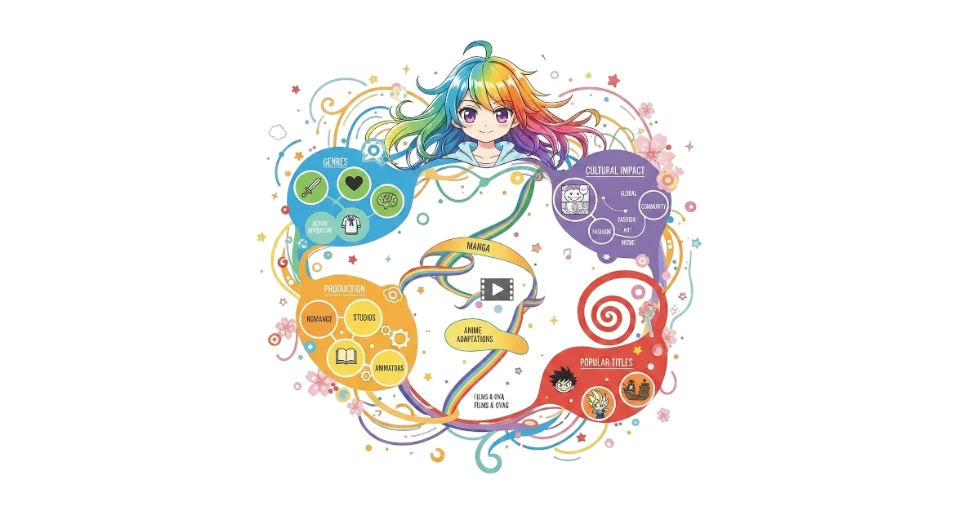
The report “Anime Market By Type (TV Series, Movies / Theatrical Anime, Original Net Animation (ONA), Original Video Animation (OVA), Specials and Shorts), By Genre (Action, Fantasy, Adventure, Romance, Comedy), Additive Manufacturing, Powder Forging, Others), By Distribution Channel (Streaming Platforms, Television Broadcasting, Theatrical Release, Home Video (DVD & Blu-ray), Digital Download) and By Revenue Source (Streaming & Licensing, Merchandising, Box Office Revenue, Gaming & Collaborations, Music & Live Events)” is expected to reach USD 75.00 billion by 2033, registering a CAGR of 11.90% from 2026 to 2033, according to a new report by Transpire Insight.
The anime industry is a growing market in the entertainment and media sector, which includes the production, distribution, and monetization of animation content through television, online media, movie theaters, and merchandise. The industry has grown from a regionally focused market to a global entertainment segment fueled by digital accessibility and acceptance across cultures. Increased investment in content production and global licensing has improved the economic viability of anime intellectual properties across various distribution platforms. Demand growth is primarily driven by the increased adoption of online media platforms, which support global simultaneous releases and localized content distribution. This shift has eliminated geographical constraints, allowing producers and distributors to tap into new markets while accumulating subscription revenue. Additionally, younger digital-savvy audiences are fueling continued viewership growth, especially in developing countries where mobile media streaming adoption is on the rise.
Another key characteristic of the market is the franchise business model, which leverages content not only as a form of episodic storytelling but also as a means of merchandising, gaming collaborations, music, and live events. Character-driven storytelling allows for sustained brand engagement, which in turn enables production houses to capitalize on intellectual properties over an extended period of time. The multi-channel monetization model has thus helped to stabilize revenues and boost investor confidence in anime production committees and partnerships. Furthermore, collaborative efforts between production houses, publishers, and worldwide streaming giants are also redefining the competitive landscape. Rising production costs, advancements in animation technology, and global co-production treaties are all helping to improve the quality and reach of anime content. With the global entertainment industry increasingly adopting on-demand consumption patterns, the anime market is poised to be a high-growth category with robust fan engagement and diversified revenue streams.
The TV Series segment is projected to witness the highest CAGR in the Anime during the forecast period.
According to Transpire Insight, TV series remain the most prominent format in the anime industry because of their capacity to maintain a long-term engagement with the audience and facilitate the expansion of franchises. The episodic structure of TV series allows for continuous viewer engagement, which enables production committees to maintain a constant level of audience interaction over several seasons. This structure is also highly compatible with the streaming distribution format, as the serialized release of content improves viewer retention and engagement with the platform. TV series also represent the core content for merchandising, gaming, and theatrical productions, which further reinforces the commercial lifecycle of anime intellectual properties.
In terms of production, TV series represent a scalable source of revenue through licensing and overseas distribution. The episodic structure of TV series allows production committees to offset financial risks by sharing the cost burden with multiple stakeholders. Furthermore, popular TV series tend to create a global fan base, which generates continuous demand for derivative media products and events. As streaming platforms continue to emphasize the importance of serialized content, TV series currently represent the most commercially viable and critical format within the anime industry.
The Action segment is projected to witness the highest CAGR in the Anime during the forecast period.
Action anime currently occupies the top market share by genre, thanks to its broad appeal in terms of storytelling and adaptability across different markets. Fast-paced storytelling, graphic content, and character-centric conflict resolution make action anime titles very appealing to a wide range of audience demographics across the world. The genre also exhibits excellent performance in box office sales and streaming content libraries, making it extremely desirable for licensing and global distribution opportunities.
The market viability of action anime is also enhanced by its scalability in terms of franchises. The ability to sustain audience interest over a long period of storytelling makes it ideal for sequels, spin-offs, and joint productions. Action anime content is also often the anchor programming for streaming services, improving visibility and fueling subscriber growth. With the rising competition among platforms, action anime remains the key content genre for global expansion and retention.
The Streaming Platforms segment is projected to witness the highest CAGR in the Anime during the forecast period.
According to Transpire Insight, Online streaming services are the most prominent form of distribution because of their capacity to reach markets worldwide at the same time. The availability of content on demand and language localization have greatly increased anime’s popularity worldwide, as viewers can now immediately access new releases without the delay of traditional broadcasting. Subscription services have also ensured a stable revenue stream for distributors, while production companies can negotiate licensing deals that mitigate risks.
The rise of online streaming has also altered viewer behavior in terms of anime content, as viewers are now encouraged to binge-watch and engage with anime franchises over the long term. Algorithm-driven recommendations have also improved the discoverability of content, which is beneficial for both popular and niche anime titles. With the increasing investment of online streaming platforms in exclusive anime productions and co-development deals, this sector continues to disrupt industry economics by focusing on the global fan base and fueling the expansion of international markets.
The Streaming & Licensing segment is projected to witness the highest CAGR in the Anime during the forecast period.
Streaming and licensing have become the most influential factors in the anime industry, driven by the growing need for exclusive content around the world. Licensing of content from anime studios to global platforms enables fast and efficient distribution of content, along with guaranteed revenue inflows. This revenue stream enables content creators to generate revenue from their intellectual properties in various regions, independent of their home market performance.
Moreover, licensing of content also helps in increasing the visibility of the overall franchise, thus encouraging subsequent revenue streams from merchandise sales, gaming collaborations, and movie productions. With the growing competition among global streaming platforms, the demand for high-quality anime content is also rising, thus pushing the licensing value of such content higher.
The North America region is projected to witness the highest CAGR in the Anime during the forecast period.
North America is one of the most developed markets for anime, with high penetration of streaming services, well-established licensing structures, and a highly passionate fan base. The United States is the main source of revenue, thanks to the adoption of high-end subscription services, theatrical anime releases, and massive merchandising demand. The region has an established digital framework and early adoption of simulcast distribution channels, which allow fans to enjoy new anime releases at the same time as the Asian markets. Anime conventions, retail collaborations, and cross-platform partnerships have also improved brand recognition and expanded the fan base beyond the niche consumer segment to mainstream entertainment consumption.
The presence of leading streaming services and content delivery companies has also fueled the growth of the market in Canada and Mexico, with localized content offerings and bilingual distribution channels. North America also has high purchasing power, which enables fans to spend more on collectibles, digital content, and theatrical anime releases. Investment in exclusive licensing and co-production deals continues to make the region a major contributor to global revenue growth. As the anime industry continues to cross-platform with gaming, music, and entertainment franchises, North America remains an essential market for global expansion and monetization strategies.
Key Players
The top 15 players in the Anime market include Toei Animation Co., Ltd., Toho Co., Ltd., Sony Group Corporation, Studio Ghibli Inc., Bandai Namco Filmworks Inc., MAPPA Co., Ltd., Pierrot Co., Ltd., Kyoto Animation Co., Ltd., Production I.G, Inc., Bones Inc., Kadokawa Corporation, Shueisha Inc., Netflix, Inc., The Walt Disney Company, and TV Tokyo Corporation.
Drop us an email at:
Call us on:
+91 7666513636

 inquiry@transpireinsight.com
 APAC:+91 7666513636
 Address





