
Jan 31, 2026
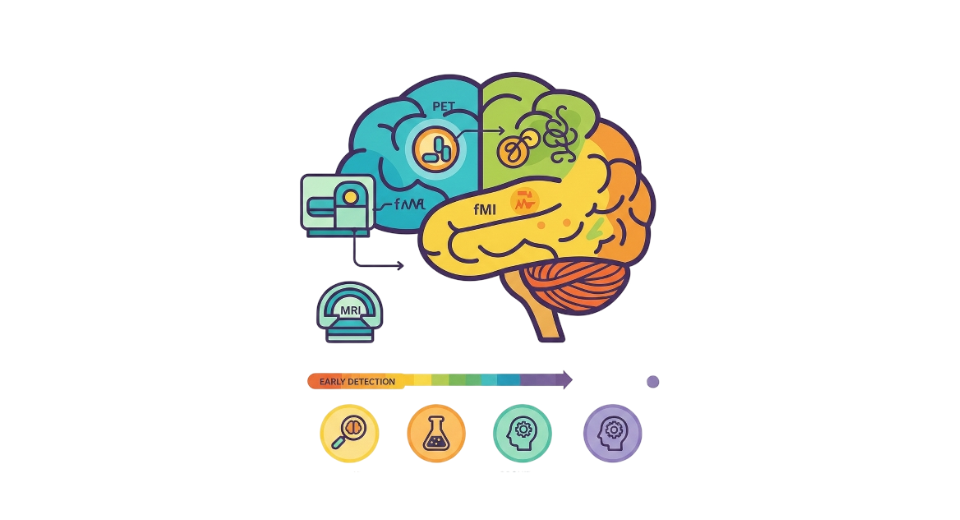
The report “Alzheimer’s-linked Imaging Market By Imaging Modality (Magnetic Resonance Imaging, Positron Emission Tomography, Computed Tomography, Single Photon Emission Computed Tomography), By Imaging Biomarker Type (Amyloid Imaging, Tau Imaging, Structural Brain Imaging, Functional Imaging), By Radiotracer Type (Amyloid Radiotracer, Tau Radiotracer, FDG), By Application (Early Diagnosis & Screening, Disease Progression Monitoring, Differentiated Diagnosis, Clinical Trials & Drug Development, Treatment Response Assessment)” is expected to reach USD 4.80 billion by 2033, registering a CAGR of 16.50% from 2026 to 2033, according to a new report by Transpire Insight.
Seeing signs of Alzheimer’s earlier is now possible because PET scans show things like amyloid and tau. Not like regular brain pictures, these scans catch problems while thinking skills still hold steady. Because of that shift, spotting damage before symptoms worsen matters more every year. Medical care slowly leans into tests that track biology, not just behavior. That change lifts up tools able to reveal what's happening inside well ahead of time.
Because doctors must tell similar diseases apart, they increasingly turn to PET scans. These images show differences between Alzheimer’s and other brain conditions, guiding clearer choices in care. With new treatments emerging that target specific disease processes, scanning helps find who might benefit most. Over months or years, changes seen on PET reflect how well therapy affects the underlying biology.
When it comes to Alzheimer’s-related PET scans, North America stands out as a region where innovation meets long-established practices. Because universities, imaging clinics, tech firms, and drug developers work closely together, progress in scanning methods keeps moving forward. As more people pay attention to brain health, doctors are using these detailed images more often during regular evaluations. Over time, that shift has strengthened how PET scans fit into both diagnosing and studying the disease.
The Positron Tomography segment is projected to witness the highest CAGR in the Alzheimer’s-linked Imaging market during the forecast period.
According to Transpire Insight, it spots tiny brain changes other scans miss. Because it reveals things like amyloid buildup, something regular images cannot catch, it helps doctors see problems long before symptoms worsen. While MRI shows structure, PET tracks activity, giving a clearer picture of what is really happening inside. Seeing these details makes diagnoses more accurate, especially when telling Alzheimer’s apart from similar conditions. As medicine shifts toward catching diseases sooner, tools like PET become harder to ignore. Its role keeps expanding, not because of trends, but because it delivers information that nothing else can.
On top of that, PET scans are showing up more often in medical studies and drug testing, pushing their use forward. Because they help pick trial participants, check if drugs hit their targets, and track how patients react to new treatments, especially those aiming to slow Alzheimer’s, they have become hard to ignore. With drugmakers putting money into precise therapies, the need for PET as a trusted measurement method keeps rising, making it valuable in labs and clinics alike. All these pieces add up, setting PET on a path to outpace other scanning types over the years ahead.
The Amyloid Imaging segment is projected to witness the highest CAGR in the Alzheimer’s-linked Imaging market during the forecast period.
Growth looks likely in the amyloid imaging field because it helps spot Alzheimer’s early. Though symptoms may not yet show, doctors can see beta-amyloid buildup in the brain using these scans. Because of that, patients might be identified long before thinking problems begin. As medicine leans more on biological markers for answers, this method gains favor. Many neurology experts now choose it regularly in memory-focused practices.
Nowhere else has imaging seen such a shift as in amyloid tracking within drug studies. Because researchers need precise enrolment, scans help pick suitable participants. As knowledge about brain changes in dementia spreads, tools improve too. New tracers designed only for spotting plaque have made pictures clearer. Approval by health authorities gave clinics confidence to adopt them widely. Progress here outpaces other markers simply because needs align so tightly with tech advances.
The Amyloid Radiotracer segment is projected to witness the highest CAGR in the Alzheimer’s-linked Imaging market during the forecast period.
According to Transpire Insight, Growth looks likely in the Amyloid Radiotracer area because it helps spot Alzheimer’s early through PET scans. Since these tracers show how beta-amyloid plaques build up in the brain, doctors gain useful insights - helping them tell diseases apart and sort patients correctly. As medical teams lean more on biological markers and acting fast, their use climbs steadily. That shift pushes amyloid tracers into wider roles, not just regular checkups but also focused memory care settings. They fit well where timing and precision matter most.
Their role in clinical studies stands out. These tools now track how diseases evolve during trials, judge if treatments work, and help find people who qualify for new therapies that could slow damage. Progress does not stop there; better targeting, fewer risks, and clearer approval paths add to their usefulness day by day. Growth edges ahead because of this mix, making amyloid options rise faster than others in the field when looking years into the future.
The Early Diagnosis & Screening segment is projected to witness the highest CAGR in the Alzheimer’s-linked Imaging market during the forecast period.
Right away, spotting Alzheimer’s sooner is pushing one part of medicine to grow fast. Because doctors now aim to catch it earlier, they can step in when brain function has not dropped too far, which helps shape better care paths. Picture this: tools like PET and MRI scans, along with special tracers that find amyloid, reveal hidden shifts in the brain long before symptoms pile up. That shift, the quiet change beneath the surface, is why clinics and experts focused on memory put scanning at the top of their list.
It ties closely to how often it appears in studies and efforts to stop illness before it takes hold. Spotting issues sooner helps medical tests find the right people, track how conditions evolve, and also judge if new treatments are doing what they should. More attention on Alzheimer’s now, along with better tools for scanning and spotting biological signals, pushes clinics, testing hubs, and research labs toward earlier checks. That shift sets the stage for steady expansion ahead.
The North America region is projected to witness the highest CAGR in the Alzheimer’s-linked Imaging market during the forecast period.
Out here, North America leads in brain scans tied to Alzheimer’s because hospitals run on solid systems and tools are everywhere. While clinics lean heavily on PET, MRI, plus special tracers that spot amyloid, patients gain quicker access than elsewhere. Thanks to steady memory clinics and routine nerve checks, detection happens sooner rather than later. Imaging signs now flow naturally into doctor routines, no extra steps needed. Because of all this, the area sets the pace worldwide when it comes to spotting Alzheimer’s early, studying it closely, and tracking how it spreads.
Growth here gets a boost from strong involvement in medical studies aiming at treatments that alter disease paths. Innovation in scan methods and tracking chemicals keeps moving because universities, clinics, image labs, and tech firms work together. Awareness about brain health runs deep; both doctors and people receiving care pay attention, and rules plus payment setups help new tools spread easily. That mix keeps North America central when it comes to imaging tied to Alzheimer’s progression.
Key Players
Top companies include GE Healthcare, Siemens Healthineers, Lantheus Holdings, Curium Pharma, Jubilant Radiopharma, Cardinal Health, Advanced Accelerator Applications (Novartis), Life Molecular Imaging, Cerveau Technologies, SOFIE Biosciences, Blue Earth Diagnostics, Invicro (Konica Minolta), Eli Lilly and Company, Avid Radiopharmaceuticals, Canon Medical Systems Corporation, Philips Healthcare, and Fujifilm Holdings Corporation.
Drop us an email at:
Call us on:
+91 7666513636

 inquiry@transpireinsight.com
 APAC:+91 7666513636
 Address





