
Feb 02, 2026
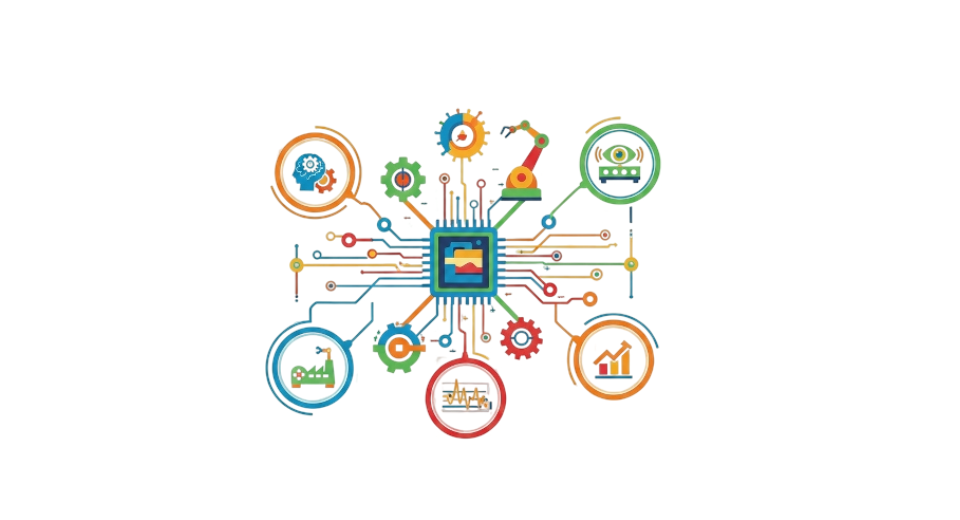
The report “AI in Industrial Automation Market By Component (Hardware, Software, Services), By Technology (Machine Learning, Computer Vision, Natural Language Processing, Predictive & Prescriptive Analytics), By Application (Predictive Maintenance, Process Automation, Quality Control & Inspection, Supply Chain & Inventory Management, Production Planning & Optimization), By End-Users (Automotive, Electronics & Semiconductors, Food & Beverages, Oil & Gas, Pharmaceuticals & Chemicals, Metal & Mining, Others),” is expected to reach USD 72.50 billion by 2033, registering a CAGR of 21.90% from 2026 to 2033, according to a new report by Transpire Insight.
A surge in worldwide demand shows how factories now lean on smart machines to work faster, make fewer mistakes, and achieve stronger results. Machines that learn can watch systems live, spot issues before they grow, guide choices without waiting, cut delays, use materials better, and lift consistency in output. Tying learning software into robot arms, internet-linked devices, and tiny detection tools pushes entire plants closer to thinking as one.
Right now, software drives growth in new markets because artificial intelligence systems, data analysis programs, and learning algorithms give companies better ways to scale automated tasks. Predictive upkeep, task streamlining, and product checks see more use every day, especially in car manufacturing, electronic devices, medicine making, plus energy sectors. Behind the scenes, these tools let teams manage fewer workers on site, keep workplaces safer, and maintain steady output levels.
North America sits at the front because it embraced new tech quickly, spends heavily on research, and big tech firms set up shop there. Leading the charge inside that region, the United States pushes ahead, fueled by widespread use in car making, aircraft production, and electronics factories. Growth surges fastest, though, in the Asia Pacific, where factory expansion gains speed, nations like China, India, and Japan build more, and governments push intelligent systems in industry.
The Software segment is projected to witness the highest CAGR in the AI in Industrial Automation market during the forecast period.
According to Transpire Insight, Software should grow fastest in AI for factory automation, thanks to more companies using smart platforms and data tools inside their plants. Real-time analysis and sharper decisions come easier now, often without buying extra machines. Factories lean on these programs to catch equipment issues early, check product quality, or fine-tune workflows. This shift pushes deeper tech upgrades through production lines, quietly reshaping how things run behind the scenes.
Now here's something different: cloud and edge AI software keep gaining ground, pulling the segment upward. Because they scale easily, adapt fast, fit right into current setups, factories big and small find them hard to ignore. As AI methods improve, along with digital replicas and smart data analysis, what software can do grows wider every year. That push turns the Software category into one of the strongest forces shaping automation’s future through the years ahead.
The Machine Learning segment is projected to witness the highest CAGR in the AI in Industrial Automation market during the forecast period.
Despite growing fast, the Machine Learning part stands out in AI-driven factory systems because it handles massive data flows while spotting useful patterns instantly. Because machines now learn from past behavior, factories catch issues before breakdowns happen - keeping gear running longer. As more tools connect through digital networks, streams of live information feed these smart models continuously. Factories adjust quicker, waste less time, and push output higher without adding equipment. Speed comes not just from tech but from how decisions form faster than ever.
One step beyond old methods, machines now learn on their own, adjusting when workflows shift or equipment behaves differently. Tied closely to robots, cameras that see, and virtual copies of real systems, learning software helps factories run with less human touch. When choices come down to numbers and trends, more plants lean on these tools to guide moves and upgrades. Growth in industrial AI finds its engine here, not in flashy promises but quiet adaptation behind the scenes.
The Predictive Maintenance segment is projected to witness the highest CAGR in the AI in Industrial Automation market during the forecast period.
According to Transpire Insight, expect the Predictive Maintenance chunk to grow fastest in the AI part of industrial automation, thanks to a rising push against surprise breakdowns and expensive repairs. Machines learn patterns, spot odd behavior, and predict issues ahead of time, powered by smart algorithms watching how the gear performs. Instead of fixing things after they fail, factories act earlier, stretching out how long machines last while keeping operations steady. Schedules get smarter, wear and tear slows down, and everything runs smoother when alerts come early.
Faster rollout of factory-based sensors plus live tracking tools now sharpens how well machines can be serviced before breaking. Cars, energy drilling, metal processing, and assembly lines shift quickly toward these methods just to keep output steady while lifting protection levels. With saving money and stretching equipment life still central concerns, forecasting failures stands out more each day inside automation's artificial intelligence space.
The Automotive segment is projected to witness the highest CAGR in the AI in Industrial Automation market during the forecast period.
Fast changes in car making push artificial intelligence growth faster than in other industries right now. Smart factories start relying on machine learning to handle tasks once done only by people. Robots guided by visual systems spot tiny flaws human eyes might miss. Building cars gets smarter when software predicts what comes next in production. Electric models roll out quicker because automated processes adapt without delays. Driving itself becomes real as companies teach machines to respond as drivers do. New tech demands constant upgrades behind factory walls where code runs nonstop.
Out on the factory floor, machines that learn from data now spot problems before they grow. Because of this, assembly lines run more smoothly, wasting less time and fewer materials. When smart software links up with robots or virtual models, production shifts more easily between tasks. Even sensors spread through plants help adjust operations in real time. With car makers updating facilities to handle new customer needs, these tools keep gaining ground. Over time, vehicles built this way stay more reliable, part to part. All of it adds up: factories using artificial intelligence aren’t just changing how cars get made, they are shaping what comes next across the automated industry.
The North America region is projected to witness the highest CAGR in the AI in Industrial Automation market during the forecast period.
A surge in the use of smart machines shapes North America’s lead in industrial AI expansion. Early moves toward high-tech production methods fuel steady progress here. Because companies invest heavily in automated systems, growth gains momentum. Firms apply artificial intelligence to foresee equipment issues, guide robots, check product standards, while refining workflows, which lifts output and trims expenses. With leading tech developers rooted in the area, new tools spread faster. Growth climbs as local suppliers push capabilities forward. Progress thrives where innovation meets industry demand.
Not far behind, the United States drives regional momentum due to the swift adoption of intelligent factory systems in car making, aircraft production, and electronic devices, alongside cutting-edge industrial fields. Fueled by deep research strengths, federal backing for next-gen production methods, along with the rising need for low-energy, data-smart factories, North America stands out in the worldwide rise of artificial intelligence within automated industry settings.
Key Players
Top companies include Siemens AG, ABB Ltd., Rockwell Automation, Schneider Electric SE, Honeywell International Inc., General Electric Company, Mitsubishi Electric Corporation, Bosch Rexroth AG, KUKA AG, Yaskawa Electric Corporation, FANUC Corporation, Omron Corporation, IBM Corporation, Intel Corporation, SAP SE, Universal Robots A/S, and Emerson Electric Co.
Drop us an email at:
Call us on:
+91 7666513636

 inquiry@transpireinsight.com
 APAC:+91 7666513636
 Address





