

United States Hybrid Vehicles Market Summary
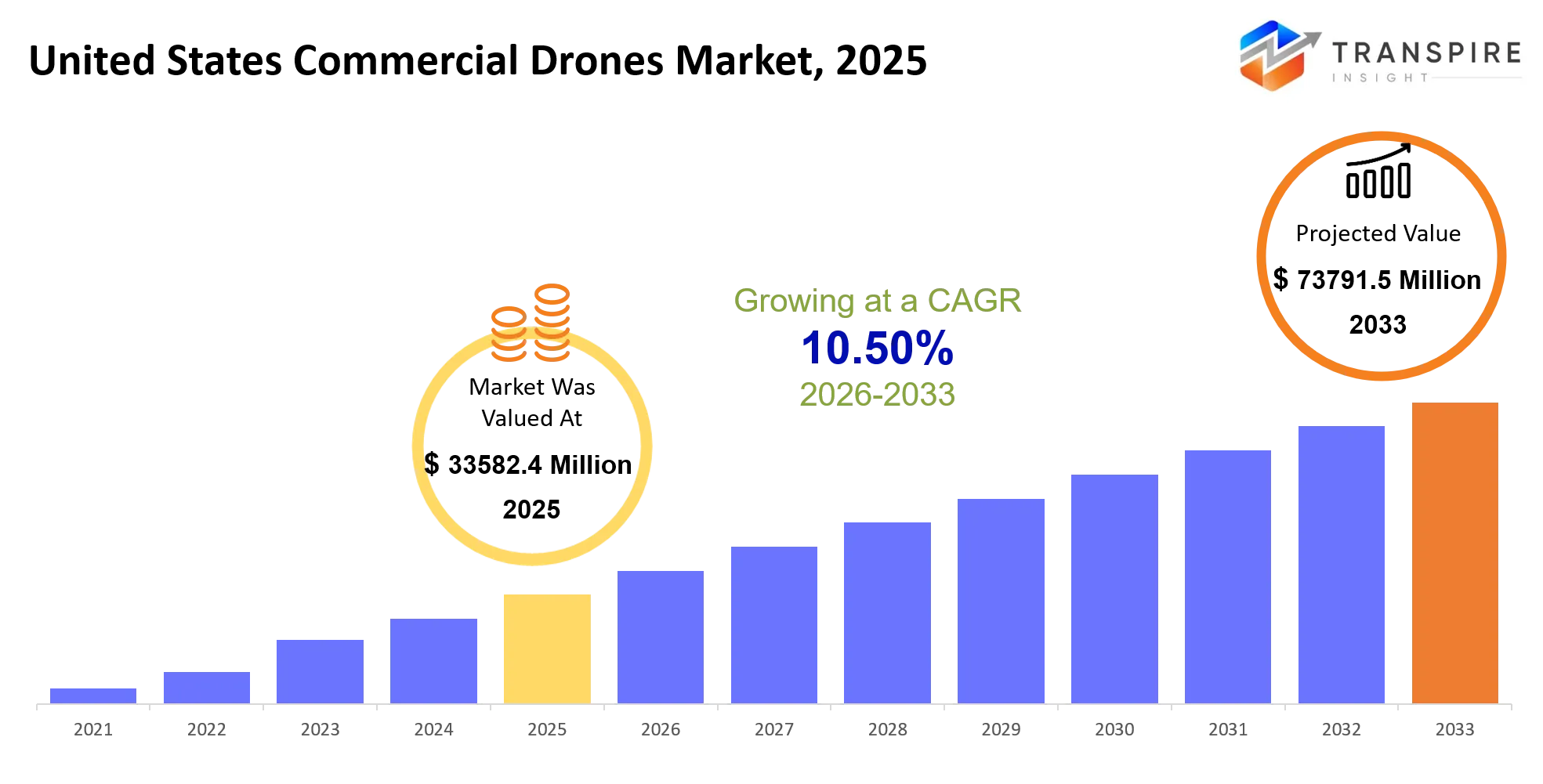
As per Transpire Insight Analysis the United States Hybrid Vehicles Market size is estimated at USD 33582.4 Million in 2025 and is anticipated to reach USD 73791.5 Million by 2033, growing at a CAGR of 10.50% from 2026 to 2033.
Hybrid vehicles in the United States can support everyday consumers and fleet type operators in cutting fuel use, without having to do a complete flip away from gasoline powered mobility, or so it feels in normal life. In real world driving, hybrid powertrains mix an internal combustion engine with electric help, which typically boosts fuel economy during city routes, during takeoff, and in those stop and start moments, while still keeping the usual refueling convenience people already know.
In the past three to five years, things moved a bit. The market is less centered on compact passenger cars and more on SUVs, pickups, plus certain commercial models. Toyota said it sold 922,876 U.S. hybrids in 2024, versus 318,639 in 2020, so that gap basically signals a wide, noticeable growth in model availability, and in how quickly buyers are willing to adopt them. At the same time, supply chain disruptions and battery material limits nudged automakers to consider more than one approach, not just leaning on battery electric vehicles only. For instance, Ford reported 2025 hybrid sales at a record 228,072 units, up 21.7% , which sort of backs up the idea that hybrids have real commercial value across trucks and SUVs. Because of that, the market is set to grow from USD 33,582.4 million in 2025, to about USD 73,791.5 million by 2033 , as broader vehicle availability and practical fuel savings push adoption further.
United States Hybrid Vehicles Market Size & Forecast:
- United States Hybrid Vehicles Market Size 2025: USD 33582.4 Million
- Expected Market Value 2033: USD 73791.5 Million
- Forecast CAGR:10.50%
- Key Profile: Toyota Motor Corporation, Honda Motor Co., Ford Motor Company, Hyundai Motor Company, Kia Corporation, General Motors, Stellantis N.V., Nissan Motor Co., BMW Group, Mercedes-Benz Group, Volvo Cars, Lexus, Subaru Corporation, Mazda Motor Corporation, Mitsubishi Motors
Key Market Insights
- The United States Hybrid Vehicles Market didn’t just stay with passenger cars, it kind of moved outward too, as Toyota and Ford slowly increased hybrid availability across SUVs, pickups, and those larger vehicles, where a lot of drivers want more range and practicality.
- Toyota sold 922,876 hybrids in 2024, which is close to triple what it sold in 2020, and it points to a more mainstream uptake than before, like the idea is no longer “niche”.
- By 2025 , Toyota’s electrified portfolio hit 49% of U.S. sales, helping hybrids remain a central, repeatable powertrain plan rather than a side option.
- Ford logged 228,072 hybrid and PHEV sales in 2025, up 21.7%, and that growth looks tied to stronger adoption across trucks, utility vehicles, and other workhorse types.
- Hybrid pickups got a lot of momentum as Ford’s F-150 Hybrid reached 84,934 sales in 2025, that’s 15% year over year.
- For SUVs, electrification picked up speed too, because manufacturers have been positioning hybrid systems as a workable substitute, especially when bigger battery packs might add cost and also weight, which nobody really loves.
- Plug-in hybrids are also taking on more strategic weight, since makers try to balance electric driving capability with gasoline range, and also deal with refueling access so the transition stays smooth.
- Toyota widened its electrified lineup, to 33 models in U.S. dealerships by June 2026, making it easier for consumers to find electrified choices across different categories, not just one kind of car.
- Even the software layer matters more now, because energy management logic is becoming crucial as manufacturers fine-tune how the engine and battery cooperate while traffic patterns, and driving styles, keep shifting.
- Meanwhile, competitive strategies are increasingly about powertrain selection, meaning manufacturers can serve gasoline, hybrid, PHEV, and battery-electric buyers, all inside broader vehicle ranges, instead of forcing one approach only.
What are the Key Drivers, Restraints, and Opportunities in the United States Hybrid Vehicles Market?
Driver: Fuel-economy economics still feel like a big growth engine, because hybrid systems cut gasoline use by regenerative braking, electric launch help, and engine shutdown while the vehicle is just sitting idle. Automakers also pushed hybrid tech into high-volume SUVs and pickups , where those savings can become a better ownership argument than what you usually see on smaller cars. Ford’s 2025 results show the commercial pull, with hybrid and PHEV sales totaling 228,072 units , up 21.7% year over year. Wider model availability turns these efficiency gains into bigger unit movement and more aftermarket revenue too, kinda like it compounds.
Restraint: Battery systems, power electronics, specialized components, plus the dual-powertrain layout, add manufacturing complexity and raise upfront costs. Hybrid vehicles end up needing both typical drivetrain pieces and electrified subsystems, so you get extra engineering burden, more service demands, and tighter supply-chain expectations. Semiconductor availability, battery-material expenses, and technician training can slow product rollout and squeeze margins, especially for makers that don’t already run large-scale hybrid platforms.
Opportunity: Software-defined energy management looks like the next real opening. Machine-learning controls can steer engine and battery power sharing based on traffic patterns, terrain, acceleration behavior, and the amount of cargo or load being carried. Recent SAE research said something around a 12.6% gain from a learning-based predictive control approach in simulation, which suggests software optimization could raise efficiency without needing major hardware rework or new parts.
What Has the Impact of Artificial Intelligence Been on the United States Hybrid Vehicles Market?
Artificial intelligence is moving hybrid vehicle control from those fixed operating rules toward something more adaptive, more or less “energy management” which changes with context. Machine-learning algorithms can look at accelerator input, vehicle speed, traffic situations, battery status, engine load, and also the terrain, and then decide when electric support, regenerative braking, or even normal engine operation should get priority. In 2024, SAE research published work that looked into adaptive machine-learning control connected with the hybrid vehicle energy-management ECU, and the goal was a more efficient power distribution during acceleration, stop and go traffic, and shifting terrain. Predictive control research has shown similar promise too, in particular improving energy efficiency while lowering the computational needs, and one 2025 study reported around 12.6% improvement for a tuned learning based method in simulation.
AI also has a role in predictive maintenance , by scanning vehicle sensor data and spotting patterns tied to how components degrade before the usual service intervals arrive. Recent automotive research has used both supervised and unsupervised learning to estimate when repairs, replacement work, might be needed, and to help coordinate service-center planning. In practice these approaches can curb surprising downtime, and make service schedules feel more deliberate. Still, a big constraint remains the expense and the friction of integrating validated AI models with vehicle control units, plus the ongoing need for large datasets, high quality data too, that represent diverse driving conditions, different climates, varying vehicle loads, and battery aging tendencies.
Key Market Trends
- Toyota’s U.S. hybrid sales went from 318,639 units in 2020, to 922,876 in 2024—kind of a big pivot toward mainstream acceptance.
- Ford’s hybrid and PHEV numbers climbed to 228,072 units in 2025, up 21.7% while product availability just kept widening, slowly but surely.
- Hybrid adoption also moved farther into pickups, with the F-150 Hybrid landing at 84,934 sales in 2025, up 15% year over year.
- Toyota says its electrified sales reached 49% of U.S. volume in 2025, which looks like a broader swing into mixed powertrain lineups , not just one lane.
- More and more automakers are steering attention to SUVs and crossovers, where hybrid systems deliver fuel-efficiency improvements while still keeping utility, and familiar conventional driving range.
- Hybrid powertrains gained more strategic weight as makers reshaped investment plans around how fast battery-electric vehicles are rolling out, plus the economics of charging infrastructure.
- Energy management that’s software-controlled has moved on from rigid calibration, toward adaptive machine-learning strategies, that can react to live driving conditions in the moment.
- And Toyota expanded to 33 electrified models across Toyota and Lexus dealerships by June 2026, so customers get easier access to hybrid options, pretty directly.
- For fleet buyers, the way they check hybrid vehicles is shifting too: they look at total operating cost, fuel use, utilization rates , and maintenance needs instead of purchase price alone.
- Finally manufacturers increasingly treat hybrid tech like a portfolio approach, providing gasoline, hybrid, PHEV and also electric choices across overlapping vehicle segments, kind of like a bundle of paths.
United States Hybrid Vehicles Market Segmentation
By Vehicle Type
Passenger cars still stay a big vehicle category, because hybrid systems give real fuel savings when you are doing urban commuting, plus that a lot of stop-start driving. SUVs and crossovers have somehow gained more commercial importance, as hybrid powertrains keep moving into higher-volume utility models. Pickup trucks are also becoming a notable growth area, helped by hybrid configurations that keep towing capability, while also improving fuel efficiency a bit overall. Ford said it sold 84,934 F-150 Hybrid units in 2025, which is up 15% from the year before. Light commercial vehicles can see meaningful lower fuel consumption on repeated delivery routes, while heavy commercial vehicles look smaller but still developing.
Luxury vehicles use hybrid systems to blend performance with better efficiency, especially across premium SUVs and sedans. Hatchbacks and sedans still work well for city use, where regenerative braking and electric assistance show up again and again, for those frequent efficiency wins. Crossovers kind of connect passenger-car comfort with SUV utility, and they have grown in importance inside electrified lineups. Other vehicle types include specialized configurations and newer applications, and they can potentially adopt hybrid propulsion as component costs drop, and control technologies get better.
By Hybrid Type
Full hybrids sort of give you electric help without the whole external charging thing, so it feels a bit more like normal refueling but with better fuel savings for most consumers. Mild hybrids usually have a smaller electrical setup to assist the engine, capture energy through regenerative braking, and run stop-start, all while keeping the vehicle architecture a lot more straightforward. PHEVs bring in external charging and then you get higher electric driving ability, at least for shorter commutes.
When it comes to powertrain layouts, series, parallel, and series-parallel differ in how the engine and the electric side actually reach the wheels. Series-parallel designs tend to feel more flexible, especially for power distribution, like they can shuffle resources more easily.
Then there are range-extended hybrids , which use an engine or a generator to keep electric propulsion going when the battery is getting low. Fuel cell hybrids mix electric propulsion with hydrogen-based energy generation, and honestly they’re still an emerging setup in the United States. Beyond that, there are other hybrid architectures meant for niche needs where the usual hybrid configurations just don’t fit the required performance, or the packaging constraints. Recent progress in electronic control units, plus machine-learning style energy management, can tune how power is allocated across multiple hybrid architectures, more adaptively than before.
By Propulsion
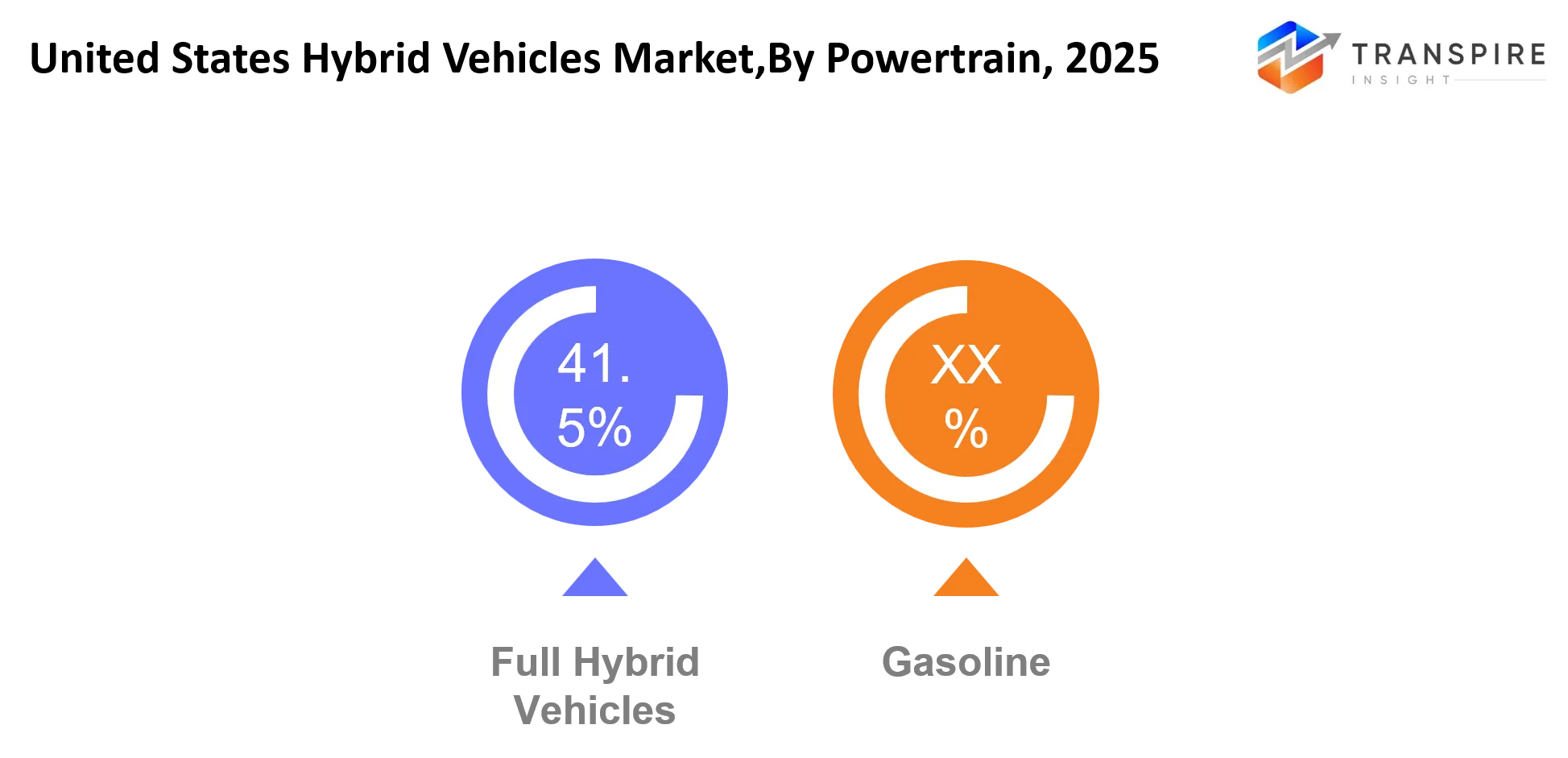
Gasoline hybrid systems seem to be the main propulsion setup, mostly because gasoline infrastructure is still all over the United States, and hybrid layouts can cut fuel consumption , without making people change how they refuel much. Diesel hybrids are useful for scenarios that need high torque and longer duty cycles though, their added system complexity can curb adoption in passenger cars. Hydrogen hybrid configurations mix fuel-cell generation with electric propulsion and they tend to stay aimed at new, emerging mobility kinds of uses. Flex-fuel hybrids can help vehicles that are built for different fuel blends, giving more freedom in choosing what goes in, at least within the vehicle’s limits.
Natural gas hybrids can fit certain commercial routes where fueling networks are set up for fleets, not for everyone. Biofuel hybrids also blend conventional hybrid efficiency benefits with fuels that include renewable components, but it really depends on vehicle compatibility and what fuel is actually available in the area. Other propulsion arrangements may show up later as manufacturers experiment with alternative powertrain technologies. At the same time, software based energy management keeps mattering a lot, because efficiency relies on coordinated work, between the engine the electric motor the battery and the control system, all together.
By End User
Individual consumers count as a primary end-user group because hybrid cars give noticeable fuel savings while still keeping that familiar refueling routine, basically convenient like before. Fleet operators , on the other hand, tend to pull stronger financial gains from high annual mileage, lots of town driving, and maintenance that is handled in a centralized way. Government agencies can deploy hybrid vehicles across administrative, public service, and operational fleets where fuel burn and lifecycle expenses end up shaping procurement choices. Taxi operators also seem to gain a lot from regenerative braking plus less fuel use , and since daily mileage is typically high, the savings window feels bigger.
Corporate buyers can assess hybrid vehicles using total cost of ownership, employee mobility expectations, and how well the fleet is utilized. Rental companies can roll out hybrid models within high turnover fleets, where fuel economy quietly becomes part of day to day operating costs. Logistics companies may apply hybrid light commercial vehicles to delivery paths that involve constant stops and stop-and-go acceleration. Other end users include institutional and niche operators who want dependable transport together with lower operating expenditures. When adoption is fleet-focused it can help reinforce recurring vehicle replacement cycles and also open the door to larger procurement volumes.
By Sales Channel
Authorized dealers still matter in practice, because hybrid cars really do need live product demonstrations, financing assistance, clear maintenance talk, and some real technical service muscle. When companies push direct sales instead they can keep tighter control over how they relate to customers, and even make the digital purchasing flow more streamlined, but online options usually make the research part easier, so shoppers can compare pricing faster, apply for financing with less friction, and manage reservations without much hassle. Leasing firms also broaden access, mainly by easing the initial upfront load, and by backing replacement cycles that come around fairly regularly. Fleet sales meanwhile fit corporate accounts, government agencies, logistics teams, rental operators, and other institutional buyers since those deals often happen at higher volume levels.
Retail dealers keep helping with regional customer acquisition plus after sales support, especially when some consumers still prefer a physical look over “remote” decisions—like inspecting the vehicle ,then doing a test drive in person. OEM showrooms also help, because they can control the brand presentation more directly, and focus on technology features across several hybrid model lines. Beyond that, there are other routes, like specialized mobility providers and newer digital vehicle purchasing platforms. In Toyota’s case, their long standing U.S. dealership network supports wider availability for electrified models, and there are 33 electrified vehicles offered across Toyota and Lexus dealerships as of June 2026.
What are the Key Use Cases Driving the United States Hybrid Vehicles Market?
Passenger commuting is still the big one, especially with sedans, hatchbacks, SUVs, and crossovers people use for urban and suburban travel. With all the starts and stops, like frequent braking and then quick acceleration, you get pretty good conditions for regenerative braking plus electric motor help, so gasoline use goes down during everyday runs. Hybrid powertrains also keep the usual refueling convenience, which helps buyers move toward efficiency without having to rely on charging infrastructure, or at least not as much.
Another growing space is fleet and commercial mobility, it’s an expanding sort of thing. Taxi operators, delivery fleets, corporate vehicles, and rental businesses can see bigger fuel savings because their cars rack up high annual mileage and they’re on the road often in congested areas. There are also pickup options picking up momentum, with Ford reporting 84,934 F-150 Hybrid sales in 2025.
Then there’s the emerging set of uses, like hybrid light commercial vehicles for urban logistics, and software optimized hybrid fleets that use predictive energy management. Machine-learning controllers can fine tune power delivery based on traffic flow, terrain quirks, and what the vehicle is doing, which opens the door to better fuel efficiency and lower operating costs across the fleet, you know.
|
Report Metrics |
Details |
|
Market size value in 2025 |
USD 33582.4 Million |
|
Market size value in 2026 |
USD 36754.8 Million |
|
Revenue forecast in 2033 |
USD 73791.5 Million |
|
Growth rate |
CAGR of 10.50% from 2026 to 2033 |
|
Base year |
2025 |
|
Historical data |
2021 - 2024 |
|
Forecast period |
2026 - 2033 |
|
Report coverage |
Revenue forecast, competitive landscape, growth factors, and trends |
|
Regional scope |
United States |
|
Key company profiled |
Toyota Motor Corporation, Honda Motor Co., Ford Motor Company, Hyundai Motor Company, Kia Corporation, General Motors, Stellantis N.V., Nissan Motor Co., BMW Group, Mercedes-Benz Group, Volvo Cars, Lexus, Subaru Corporation, Mazda Motor Corporation, Mitsubishi Motors |
|
Customization scope |
Free report customization (country, regional & segment scope). Avail customized purchase options to meet your exact research needs. |
|
Report Segmentation |
By Vehicle Type (Passenger Cars, SUVs, Pickup Trucks, Light Commercial Vehicles, Heavy Commercial Vehicles, Luxury Vehicles, Hatchbacks, Sedans, Crossovers, Others); By Hybrid Type (Full Hybrid, Mild Hybrid, Plug-in Hybrid Electric Vehicle (PHEV), Series Hybrid, Parallel Hybrid, Series-Parallel Hybrid, Range-Extended Hybrid, Fuel Cell Hybrid, Others); By Propulsion (Gasoline Hybrid, Diesel Hybrid, Hydrogen Hybrid, Flex-Fuel Hybrid, Natural Gas Hybrid, Biofuel Hybrid, Others); By End User (Individual Consumers, Fleet Operators, Government Agencies, Taxi Operators, Corporate Buyers, Rental Companies, Logistics Companies, Others); By Sales Channel (Authorized Dealers, Direct Sales, Online Sales, Leasing Companies, Fleet Sales, Retail Dealers, OEM Showrooms, Others) |
Which Regions are Driving the United States Hybrid Vehicles Market Growth?
The Western region sort of leads the U.S. hybrid vehicle market, helped a lot by California and such, where hybrids were 19.4% of new-vehicle registrations in 2025, and registrations rose more than 30% year over year . California’s long running clean-vehicle policy climate, a huge passenger-vehicle base, a thick dealer network , and pretty mature electrified-vehicle infrastructure all together make a strong ecosystem for hybrid uptake. Hybrid registrations reached 191,000 units in the first half of 2026, and that in turn lifts the regional demand foundation a bit more.
The Northeast shows a different pattern of growth, more dense metro populations, and higher commuting intensity that supports fairly steady hybrid use rather than leaning mostly on big state incentives. High daily operating expenses, constant city congestion, and also the ongoing preference for compact SUVs, sedans , and crossovers make fuel saving powertrains feel economically sensible across most major metropolitan areas. That region also gets a boost from established dealer networks and consistent fleet refresh timelines among corporate, rental, and government buyers. Overall, these circumstances keep things relatively steady, even when what people want between battery-electric, plug-in hybrid , and conventional hybrid models shifts around.
The Southern region looks set for solid gains, mainly as automakers expand hybrid output domestically and roll out hybrid variants for high-volume SUVs and other larger categories. Toyota began producing the all-new RAV4 Hybrid at Kentucky in June 2026 after $2 billion in investments, while Kia started hybrid Telluride production in Georgia in February 2026.
Who are the Key Players in the United States Hybrid Vehicles Market and How Do They Compete?
Competition in the United States hybrid vehicle market is kinda concentrated among global automakers that already have manufacturing, dealer, battery sourcing, and powertrain capabilities. Lately, the fight is getting more about fuel efficiency , hybrid system drive feel and overall performance, SUV and pickup coverage, the pricing strategy, production localization and of course the ability to provide several powertrain options inside the same popular vehicle platforms. Toyota has a notably solid position since hybrid know how covers everything from higher-volume cars to SUVs, while other players are speeding up product rollouts to shrink that portfolio gap.
Toyota Motor Corporation, in practice, leans on hybrid system scale and a pretty wide range of models, like the sixth-generation RAV4 that uses fifth-generation hybrid technology and also offers available AWD. Honda Motor Co., Ltd. meanwhile is shifting development and manufacturing resources toward hybrids and it is planning 15 next generation hybrid models globally by fiscal 2030, with North America getting first dibs.
Ford Motor Company, competes a bit differently by leaning into hybrid pickups and SUVs, using electrified powertrains to keep the utility folks expect , while still raising fuel economy. Kia Corporation is also broadening hybrid coverage into bigger SUVs, and the Telluride HEV is rated at 329 horsepower, has an EPA-estimated 35 mpg combined figure , and an estimated 637-mile range. Hyundai Motor Company is doing something similar with SUVs and a more mixed electrified lineup, targeting shoppers who want efficiency but aren’t ready to fully move to battery electric vehicles. In fact, Hyundai hybrid sales went up 61% year over year in Q1 2026, which shows how real the commercial impact is from this portfolio approach.
Company List
- Toyota Motor Corporation
- Honda Motor Co.
- Ford Motor Company
- Hyundai Motor Company
- Kia Corporation
- General Motors
- Stellantis N.V.
- Nissan Motor Co.
- BMW Group
- Mercedes-Benz Group
- Volvo Cars
- Lexus
- Subaru Corporation
- Mazda Motor Corporation
- Mitsubishi Motors
Recent Development News
"In May 2025, Toyota Motor Corporation launched the all-new 2026 RAV4 with HEV and PHEV powertrains, introducing a fifth-generation hybrid system, new AWD configurations, and expanded electrified SUV capability in the U.S. market.https://pressroom.toyota.com/three-two-one-toyota-debuts-amazing-all-new-rav4/ (Toyota USA Newsroom)."
"In February 2026, Kia Corporation launched the first-ever 2027 Telluride HEV, combining a 329-horsepower turbo-hybrid powertrain with an EPA-estimated 35 mpg combined rating and a 637-mile estimated driving range, strengthening hybrid coverage in the three-row SUV segment.https://www.kiamedia.com/us/en/media/pressreleases/24360/kia-america-announces-pricing-for-first-ever-2027-kia-telluride-hev (Kia America Newsroom)."
"In June 2026, Toyota Motor Corporation began production of the all-new RAV4 Hybrid at Toyota Kentucky following $2 billion in U.S. manufacturing investments, expanding localized hybrid capacity and supporting domestic supply availability.https://pressroom.toyota.com/toyota-kentucky-begins-assembly-of-all-new-rav4-hybrid-breaks-ground-on-advanced-paint-facility/ (Toyota USA Newsroom)."
What Strategic Insights Define the Future of the United States Hybrid Vehicles Market?
The United States Hybrid Vehicles Market is kinda shifting, in a structural way, toward a broader multi powertrain model , not just a clean move from combustion engines to battery-electric vehicles. The main driver is basically product economics, mainly the ability for hybrids to show real fuel savings, while sidestepping the charging demands and the range limits you often see with full electrification. The more quiet worry is technology substitution, like if battery costs fall faster than expected, charging gets better in the field, or regulations move. Any of those could shorten the time window where hybrids look like the best value.
One interesting opening sits in hybrid SUVs and pickups made domestically, where companies can stack high volume vehicle platforms with localized battery and powertrain sourcing. Toyota’s $2 billion Kentucky push, and Kia’s Georgia hybrid production, both point to the fact that U.S. manufacturing capacity is now kind of strategically important. Market players should put weight on scalable hybrid platforms, local component sourcing, and software based energy management , not on scattered or standalone vehicle initiatives. This method can help defend margins, while still letting firms pivot more quickly if consumer preferences shift between HEV, PHEV, and BEV options.
United States Hybrid Vehicles Market Report Segmentation
By Vehicle Type
• Passenger Cars
• SUVs
• Pickup Trucks
• Light Commercial Vehicles
• Heavy Commercial Vehicles
• Luxury Vehicles
• Hatchbacks
• Sedans
• Crossovers
• Others
By Hybrid Type
• Full Hybrid
• Mild Hybrid
• Plug-in Hybrid Electric Vehicle (PHEV)
• Series Hybrid
• Parallel Hybrid
• Series-Parallel Hybrid
• Range-Extended Hybrid
• Fuel Cell Hybrid
• Others
By Propulsion
• Gasoline Hybrid
• Diesel Hybrid
• Hydrogen Hybrid
• Flex-Fuel Hybrid
• Natural Gas Hybrid
• Biofuel Hybrid
• Others
By End User
• Individual Consumers
• Fleet Operators
• Government Agencies
• Taxi Operators
• Corporate Buyers
• Rental Companies
• Logistics Companies
• Others
By Sales Channel
• Authorized Dealers
• Direct Sales
• Online Sales
• Leasing Companies
• Fleet Sales
• Retail Dealers
• OEM Showrooms
• Others
Frequently Asked Questions
Find quick answers to common questions.
The expected United States Hybrid Vehicles Market size for the market will be USD 73791.5 Million in 2033.
Key segments for the United States Hybrid Vehicles Market are By Vehicle Type (Passenger Cars, SUVs, Pickup Trucks, Light Commercial Vehicles, Heavy Commercial Vehicles, Luxury Vehicles, Hatchbacks, Sedans, Crossovers, Others); By Hybrid Type (Full Hybrid, Mild Hybrid, Plug-in Hybrid Electric Vehicle (PHEV), Series Hybrid, Parallel Hybrid, Series-Parallel Hybrid, Range-Extended Hybrid, Fuel Cell Hybrid, Others); By Propulsion (Gasoline Hybrid, Diesel Hybrid, Hydrogen Hybrid, Flex-Fuel Hybrid, Natural Gas Hybrid, Biofuel Hybrid, Others); By End User (Individual Consumers, Fleet Operators, Government Agencies, Taxi Operators, Corporate Buyers, Rental Companies, Logistics Companies, Others); By Sales Channel (Authorized Dealers, Direct Sales, Online Sales, Leasing Companies, Fleet Sales, Retail Dealers, OEM Showrooms, Others)
Major United States Hybrid Vehicles Market players are Toyota Motor Corporation, Honda Motor Co., Ford Motor Company, Hyundai Motor Company, Kia Corporation, General Motors, Stellantis N.V., Nissan Motor Co., BMW Group, Mercedes-Benz Group, Volvo Cars, Lexus, Subaru Corporation, Mazda Motor Corporation, Mitsubishi Motors
The United States Hybrid Vehicles Market size is USD 33582.4 Million in 2025.
The United States Hybrid Vehicles Market CAGR is 10.50%from 2026 to 2033.
- Toyota Motor Corporation
- Honda Motor Co.
- Ford Motor Company
- Hyundai Motor Company
- Kia Corporation
- General Motors
- Stellantis N.V.
- Nissan Motor Co.
- BMW Group
- Mercedes-Benz Group
- Volvo Cars
- Lexus
- Subaru Corporation
- Mazda Motor Corporation
- Mitsubishi Motors
About the Authors

Mayur Shinde
I am Mayur Shinde, a Senior Research Analyst at Transpire Insight, specializing in the Automotive & Transportation and Information & Communication Technology (ICT) Industry. My work focuses on analyzing emerging market trends, technological advancements, competitive landscapes, and industry developments to deliver accurate, data-driven insights. I am passionate about transforming complex market information into clear, actionable content that helps businesses, professionals, and decision-makers stay informed and make confident strategic decisions.

Chakradhar Khansole
Chakradhar serves as the Research Director at Transpire Insight, bringing over 8 years of experience in technology, innovation, and strategic market intelligence. He specializes in transforming complex market data into actionable business insights that enable organizations to make informed, growth-oriented decisions. Recognized for his strategic vision and analytical expertise, Chakradhar leads high-impact research initiatives, delivering comprehensive market assessments, competitive intelligence, and forward-looking industry analysis.
Recently Published Reports
-
Apr 2026
ATV & UTV Market
ATV & UTV Market Size, Share & Analysis Report By Type (ATV, and UTV), By Variants (Less Than 400 CC, 400 CC To 800 CC, and More Than 800 CC), and Geography (North America, Europe, Asia-Pacific, Middle East and Africa, South and Central America), 2021 - 2031
-
Apr 2026
Automotive Central Gateway Module Market
Automotive Central Gateway Module Market Size, Share & Analysis Report By Type (Ethernet Central Gateway Module, CAN Central Gateway Module, LIN Central Gateway Module, and FlexRay), By Application (Powertrain Control, Body Control, Infotainment System, Advanced Driver Assistance Systems (ADAS), and Others), By End User (Passenger Vehicles, and Commercial Vehicles), and Geography (North America, Europe, Asia-Pacific, Middle East and Africa, South and Central America), 2021 - 2031
-
Apr 2026
Automotive Engine Oil Filter Market
Automotive Engine Oil Filter Market Size, Share & Analysis Report By Filter Type (Fuel Filter, Engine Oil Filter, Hydraulic Oil Filter, and Others), By Filter Media (Cellulose, Synthetic, and Micro), By Sales Channel (OEMs, and Aftermarket), By Vehicle Type (Passenger Cars, Light Commercial Vehicles, Heavy Duty Trucks, Buses and Coaches, and Off-road Vehicles), and Geography (North America, Europe, Asia-Pacific, Middle East and Africa, South and Central America), 2021 - 2031
-
Apr 2026
Automotive Parts Aluminium Die Casting Market
Automotive Parts Aluminium Die Casting Market Size, Share & Analysis Report By Production Process (Pressure Die Casting, Vacuum Die Casting, Squeeze Die Casting, Gravity Die Casting), By Application (Body Parts, Engine Parts, Transmission Parts, Battery And Related Components, Other Application Types), and Geography (North America, Europe, Asia-Pacific, Middle East and Africa, South and Central America), 2021 - 2031
Our Clients



