

North America Adiponectin Testing Market Size & Forecast:
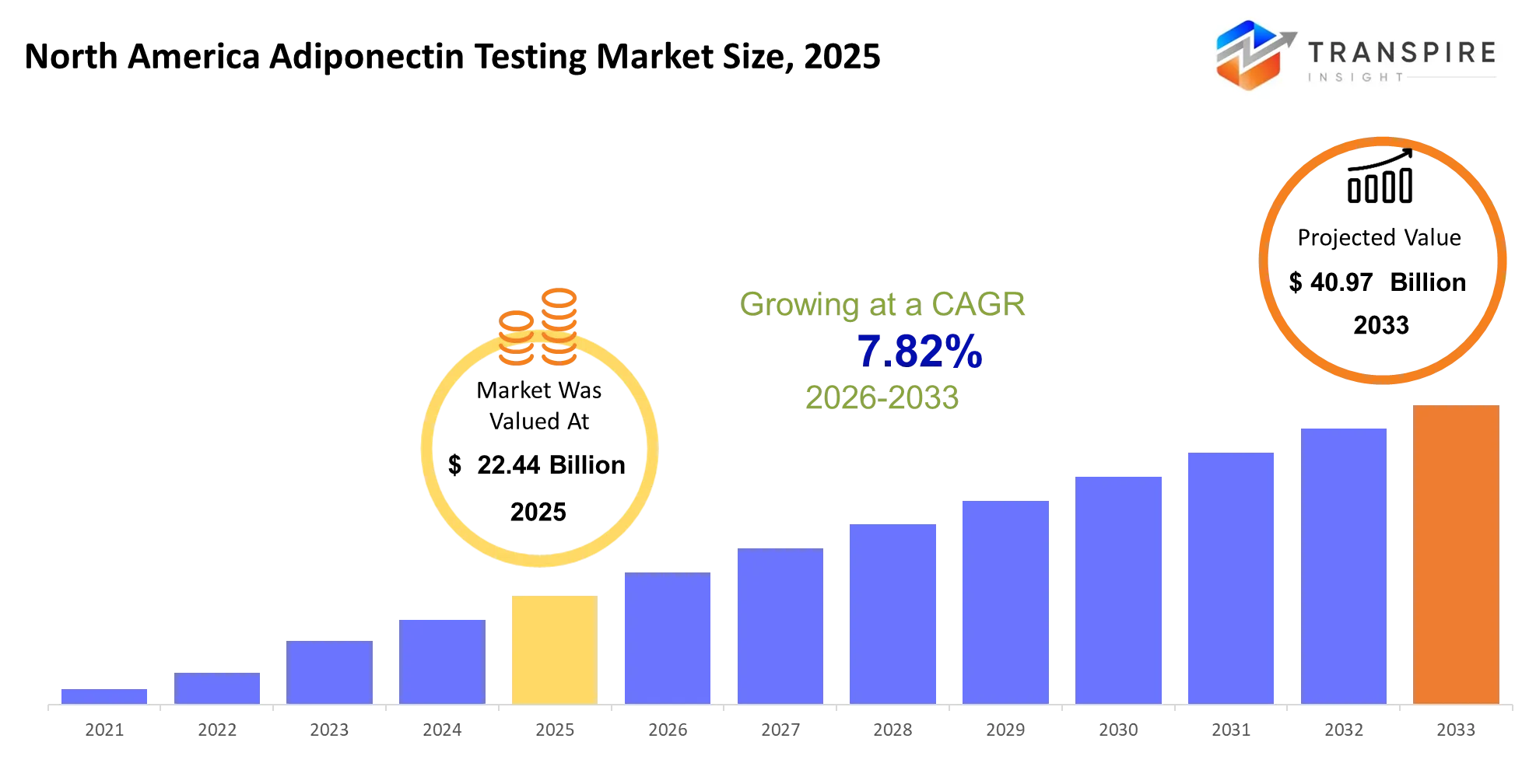
- North America Adiponectin Testing Market Size 2025: USD 22.44 Billion
- North America Adiponectin Testing Market Size 2033: USD 40.97 Billion
- North America Adiponectin Testing Market CAGR: 7.82%
- North America Adiponectin Testing Market Segments: By Test Type (ELISA-based Testing, Radioimmunoassay Testing, Chemiluminescent Assays, Others), By Application (Diabetes Diagnosis, Obesity Management, Cardiovascular Risk Assessment, Metabolic Syndrome Testing, Others), By End User (Hospitals, Diagnostic Laboratories, Research Institutes, Others), By Product Type (Test Kits, Reagents, Analytical Instruments, Others).
To learn more about this report,  Download Free Sample Report
North America Adiponectin Testing Market Summary:
The North America Adiponectin Testing Market size is estimated at USD 22.44 Billion in 2025 and is anticipated to reach USD 40.97 Billion by 2033, growing at a CAGR of 7.82% from 2026 to 2033.The North America Adiponectin Testing Market plays a kind of practical role in metabolic disease management , by helping clinicians and researchers sort through things like insulin sensitivity, obesity-linked risk , cardiovascular well-being, and early metabolic dysfunction. Adiponectin testing gives biological detail that works alongside everyday glucose and lipid measures. That combination supports a more exact way to place patients into groups, plus it helps track treatment response over time.
In the past three to five years the market sort of shifted , from being mainly research-driven use toward wider adoption in translational medicine and biomarker-led clinical programs. This change has been nudged forward by improvements in multiplex immunoassays and precision diagnostics, where adiponectin measurement can be paired with other metabolic markers. One real world reason you could point to is the sudden spike in attention to metabolic health after the COVID-19 pandemic. It basically brought into focus the clinical consequences of obesity , diabetes, and other cardiometabolic problems. Now as healthcare systems and pharmaceutical teams put more emphasis on identifying risk early and moving toward personalized care pathways, adiponectin testing is turning into a more useful decision-support instrument. And as that clinical importance grows, you can see it in higher testing volumes, stronger demand for specialized assay platforms , and broader revenue opportunities across diagnostic labs as well as research organizations.
Key Market Insights
- The United States kinda dominates the North America Adiponectin Testing Market, taking up about 82% market share in 2025, mostly because the diagnostic infrastructure is more advanced, and yeah it really shows.
- Canada ends up as the second-largest market, driven by more money going into clinical research , and also metabolic disease screening programs that are expanding.
- In fact, Canada is projected to be the fastest-growing regional market through 2032, basically due to precision healthcare initiatives that keep rolling out.
- When it comes to product type , ELISA-based adiponectin testing kits are the main choice, with roughly 58% market share in 2025, since they’re considered accurate and they work well with lab workflows.
- Reagents and consumables come in as the second-largest share, helped along by repeat testing needs in laboratories, plus research use cases.
- Multiplex assay platforms are the fastest-growing segment through 2032, letting labs run several biomarker assessments at the same time , and improving overall efficiency in the lab.
- Looking at end-use needs, metabolic disorder assessment leads the market with nearly 46% share, supported by broad diabetes and obesity management programs that keep expanding.
- Cardiovascular risk stratification is the fastest-growing application, because clinicians are increasingly using biomarker-driven preventive care strategies.
- Research applications are also still gaining momentum, as studies continue to explore adiponectin’s role in how chronic conditions progress over time.
- On the end-user side, diagnostic laboratories dominate the North America Adiponectin Testing Market, holding around 48% market share in 2025. Academic and research institutions are the second-largest end-user segment, largely thanks to biomarker discovery activities happening at scale.
- Specialty clinics are the fastest-growing end-user category, propelled by personalized medicine and that preventive health monitoring vibe that’s becoming more common.
What are the Key Drivers, Restraints, and Opportunities in the North America Adiponectin Testing Market?
The main thing pushing the North America Adiponectin Testing Market is the healthcare sector slow pivot toward biomarker driven oversight for metabolic and cardiovascular conditions. This movement got a bit more momentum when obesity, type 2 diabetes and other cardiometabolic issues started stacking up, and that in turn drove higher treatment expenses for healthcare systems. Clinicians are now trying to find predictive indicators so they can signal disease likelihood before obvious clinical complications come into view.Adiponectin testing helps with that, because it gives additional clarity on insulin sensitivity and metabolic dysfunction, kind of like a window into what’s happening earlier than symptoms. As hospitals, diagnostic laboratories, and pharmaceutical developers roll biomarker panels into day to day evaluations as well as clinical research, the testing volumes climb. That growth in turn expands assay sales, strengthens laboratory revenues , and supports a wider set of related diagnostic services.
Still, the biggest obstacle seems to be this limited clinical standardization of adiponectin testing across various healthcare settings. The reference ranges, testing methodologies, and the way results get interpreted can change, pretty noticeably, between laboratories and research institutions. It’s sort of a structural issue , because it can’t be fixed quickly—there really is a need for extended clinical validation, guideline development, and alignment with reimbursement.Without broadly accepted protocols, a lot of healthcare providers end up hesitant to use adiponectin measurements in routine care pathways. So adoption moves slower outside of focused, specialized centers and that can reduce the possible testing revenue.
One big future chance is in how adiponectin biomarkers get blended into multi-analyte precision medicine systems. New multiplex immunoassays, kind of allow measuring adiponectin at the same time as inflammatory and metabolic markers, so it becomes a more complete view. And since health systems across North America are already putting money into personalized risk prediction programs, these platforms may push adiponectin testing from a smaller specialized use, into wider, whole population style disease monitoring. That shift could effectively open up a new phase of market growth.
What Has the Impact of Artificial Intelligence Been on the North America Adiponectin Testing Market?
Artificial intelligence plus advanced digital technologies are starting to shift the North America Adiponectin Testing Market, sorta in a steady way, mainly by making labs faster, improving how biomarkers get read, and offering clinical decision support. More and more diagnostic laboratories are leaning on AI enabled data management systems, for example they automate sample tracing, quality control confirmations, assay verification, and the whole results communication process. In practice this cuts down on manual handling steps, shortens turnaround windows and lets labs manage higher testing volumes without a matching rise in staffing expenses.
At the same time machine learning models are boosting the predictive strength of adiponectin measurements. Teams are mixing adiponectin signals with electronic health records , lipid profiles, glucose indicators, and patient background details to flag people with a higher chance of type 2 diabetes cardiovascular disease, and metabolic syndrome. These systems can spot intertwined biomarker structures that older statistical approaches might miss, so risk ranking improves and clinicians may act earlier, instead of waiting.
From an operations point of view AI assisted lab procedures can lower reporting latency, keep testing more consistent, and even help with regulatory compliance via automated audit trails and documentation. There are also advanced analytics platforms that help pharmaceutical companies fine tune patient targeting for metabolic disease clinical trials, which in turn reduces recruitment inefficiencies that happen during enrollment.
One persistent drawback though is the limited availability of large standardized datasets. When testing techniques differ, patient groups vary, and clinical protocols aren’t aligned , model performance can drop and it becomes harder for AI based adiponectin analysis to roll out broadly across healthcare systems.
Key Market Trends
- The North America Adiponectin Testing Market is kinda shifting from a research-centered little corner, toward a more clinically stitched biomarker space that actually helps people gauge metabolic and cardiovascular risk assessment. Not just “look and see” anymore, more like, integrate and interpret.
- Over the last few years, multiplex diagnostics, AI-assisted analytics , and precision medicine programs have reshaped testing routines, sort of smoothing how labs work, and they also opened up new business paths across laboratories and healthcare organizations.
- Starting around 2020, hospitals have been pulling adiponectin measurements into wider metabolic biomarker panels more often , instead of relying on standalone testing.
- From about 2021 to 2025, diagnostic labs moved toward automated immunoassay platforms, which trimmed down manual steps and helped raise sample throughput too.
- Pharmaceutical companies also leaned in harder, using adiponectin as a biomarker in metabolic disease clinical trials as those precision medicine strategies got more momentum .
- After 2022, multiplex assay adoption sped up, so labs could quantify several metabolic biomarkers at the same time, and it made the whole testing process more efficient, honestly less of a hassle.
- After the post-pandemic shift in healthcare strategies there’s been more emphasis on cardiometabolic risk prediction, and it sorta makes adiponectin based evaluations feel a lot more clinically relevant.
- Firms like Thermo Fisher Scientific , Bio-Rad Laboratories , and Merck KGaA have boosted their biomarker offerings via assay upgrades and research collaborations , so they were basically expanding the toolkit, piece by piece.
- AI-enabled analytics platforms became especially useful after 2023, letting researchers spot disease-risk patterns inside those complicated biomarker datasets.
- Healthcare providers increasingly tied adiponectin testing to preventive care programs, so the emphasis moved away from only treating disease , and toward earlier intervention models.
North America Adiponectin Testing Market Segmentation
By Test Type
ELISA based testing is sitting in the leading place within the test type segment, mainly because people in the lab are already very familiar with it, plus there are well known validation protocols and it stays cost effective for both clinical work and research work. Diagnostic labs and academic groups keep using ELISA platforms because they can measure adiponectin in a pretty dependable way, and they also handle moderate to high sample volumes without too much fuss . Chemiluminescent assays are slowly getting more visible in the market, since many healthcare providers are trying to get more automation, shorter turnaround, and smoother day to day workflow efficiency.
Radioimmunoassay testing still shows up in some specific research uses, but it comes with more difficult handling needs, extra regulatory oversight, and in general it’s not being used as much for routine testing. There are other up and coming assay formats too, they can fit smaller niche applications, but they only make up a smaller slice of the total testing activity. Going forward, growth is expected to lean toward automated systems and multiplex compatible technologies, basically ones that can combine adiponectin measurement with wider biomarker panels. This kind of shift creates openings for manufacturers to stand out by improving workflows, while buyers are also looking more at scalability, standardization, and how easily the data can be integrated.
By Application
On the application side, diabetes diagnosis and management kinda take up most of the biggest slice here because adiponectin levels provide useful signals re insulin sensitivity , and the overall metabolic status too. And obesity management is also a notable part, in that clinicians and researchers are continually hunting for biomarkers that can help estimate cardiometabolic risk beyond the usual, routine measures . It feels like this area is where everything overlaps, you know. Cardiovascular risk assessment is one of the fastest moving areas, largely because more and more evidence ties adiponectin concentrations to vascular health outcomes, and not just in small studies.
Metabolic syndrome testing keeps getting more attention too, as healthcare systems move toward wider, more layered chronic disease prevention plans plus early intervention efforts. A bunch of the other uses stay mostly within niche research settings, or they show up in exploratory clinical studies rather than broad routine care. Demand patterns are also shifting, it feels like it’s going more toward prevention and risk stratification, instead of the older reactive treatment approach. And when healthcare providers start weaving biomarker based decisions into everyday practice, the range of applications should expand further, pushing assay developers to support wider clinical validation and build stronger proof for diagnostic usefulness, overall.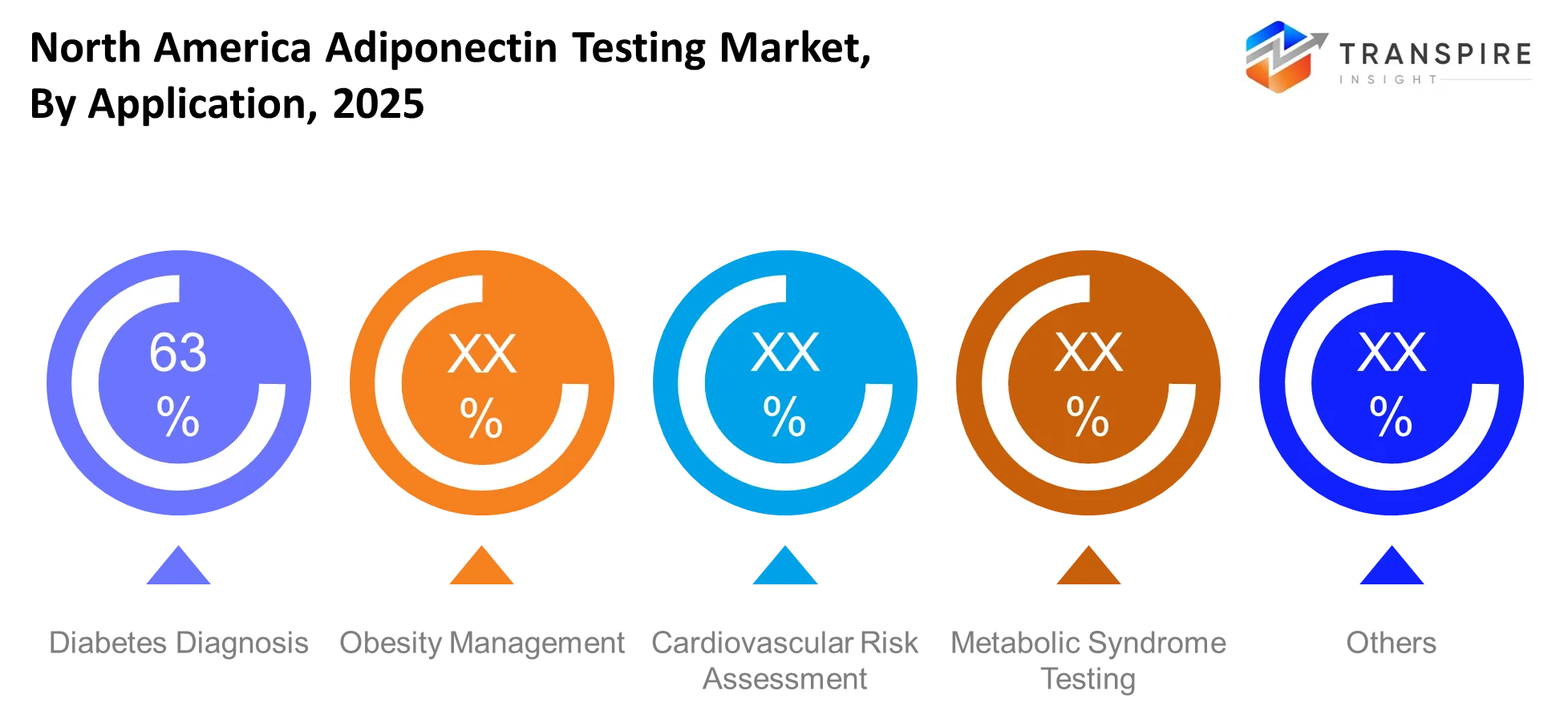
To learn more about this report, Download Free Sample Report
By End-User
Diagnostic laboratories still take the biggest slice of the end-user chunk, mainly because centralized testing sites control the infrastructure, the know-how, and the kind of high throughput that’s needed for quick biomarker analysis. Hospitals follow right after, and this isn’t just guesswork, it’s supported by a steady rise in precision diagnostics and by broader integrated disease management programs too. Research institutes remain a major push in how the market moves, mostly through biomarker discovery efforts, clinical validation studies, and translational medicine initiatives. Beyond that, other end users like specialty clinics and contract research organizations show up more and more often, simply because personalized healthcare approaches are accelerating.
Each group expands for slightly different reasons, though. Laboratories often lean on operational efficiency, and test volume, almost like that’s the main lever. Hospitals usually put more weight on clinical outcomes, as well as daily patient handling. Research organizations, meanwhile, are looking for stronger analytical capability, plus more extensive biomarker applications. In terms of what’s next, market momentum may rely on closer collaboration between healthcare providers, research teams, and diagnostic companies, which could make room for combined testing solutions and continued expansion of biomarker-led care pathways.
By Product Type
Test kits sorta dominate the product type segment, because recurring diagnostic activity creates steady buying cycles and revenue that feels pretty predictable. In healthcare facilities and research organizations people tend to prefer validated kits, mainly because they make testing procedures simpler and they also help keep results reproducible even when the settings vary a bit. Reagents sit as the second-largest category, benefiting from the constant lab consumption and also the steady increase in overall testing volumes. Analytical instruments are smaller, but still strategically important, since advanced platforms can drive automation, allow multiplexing, and improve day to day operational efficiency in a more or less measurable way. Then there are other supporting products, which basically cover specialized laboratory needs and those niche research applications that don’t fit neatly anywhere else.
What’s happening with purchasing behavior is that it’s increasingly shaped by demand for complete workflow solutions, not just standalone components. Laboratories want items that boost standardization, cut down processing time, and connect smoothly with digital data management systems. Moving forward, manufacturers that bring together high-performance kits, specialized reagents, and automated analytical platforms are probably going to improve their competitive positioning, and investors meanwhile might see upside in technologies that back precision diagnostics as well as scalable biomarker testing infrastructure.
What are the Key Use Cases Driving the North America Adiponectin Testing Market?
Adiponectin testing is mainly used for metabolic disease assessment, more or less especially within diabetes management programs. Hospitals, diagnostic labs, they use adiponectin measurements to judge insulin sensitivity and spot people who are at a higher, sort of elevated risk for metabolic issues. So that becomes the biggest wellspring of testing demand.
Also the adoption curve seems to be growing toward cardiovascular risk assessment and obesity management. Specialty clinics and research institutions increasingly fold adiponectin biomarkers into wider cardiometabolic evaluation schemes, which lets clinicians craft prevention and care plans that are more personalized, for those higher-risk patient groups.
There are newer uses too, like precision medicine programs and biomarker guided clinical trials. Pharmaceutical companies and translational research centers are looking at adiponectin as part of multi marker panels used for patient stratification, tracking treatment response,and even early disease prediction. And as advanced analytics along with multiplex testing platforms keep improving, these areas could turn into meaningful growth drivers over the forecast span.
|
Report Metrics |
Details |
|
Market size value in 2025 |
USD 22.44 Billion |
|
Market size value in 2026 |
USD 24.19 Billion |
|
Revenue forecast in 2033 |
USD 40.97 Billion |
|
Growth rate |
CAGR of 7.82% from 2026 to 2033 |
|
Base year |
2025 |
|
Historical data |
2021 - 2024 |
|
Forecast period |
2026 - 2033 |
|
Report coverage |
Revenue forecast, competitive landscape, growth factors, and trends |
|
Country scope |
North America (Canada, The United States, and Mexico) |
|
Key company profiled |
Thermo Fisher Scientific, Roche Diagnostics, Abbott Laboratories, Siemens Healthineers, Bio-Rad Laboratories, Merck KGaA, Danaher Corporation, Randox Laboratories, PerkinElmer, QIAGEN, Agilent Technologies, BioVendor, RayBiotech, R&D Systems, Creative Diagnostics |
|
Customization scope |
Free report customization (country, regional & segment scope). Avail customized purchase options to meet your exact research needs. |
|
Report Segmentation |
By Test Type (ELISA-based Testing, Radioimmunoassay Testing, Chemiluminescent Assays, Others), By Application (Diabetes Diagnosis, Obesity Management, Cardiovascular Risk Assessment, Metabolic Syndrome Testing, Others), By End User (Hospitals, Diagnostic Laboratories, Research Institutes, Others), By Product Type (Test Kits, Reagents, Analytical Instruments, Others) |
Which Regions are Driving the North America Adiponectin Testing Market Growth?
The United States kinda represents the leading region in the North America Adiponectin Testing Market. The leadership seems to come from an already well built precision medicine ecosystem , along with large diagnostic laboratory networks and also meaningful funding aimed at metabolic disease research. Federal backing for biomarker-driven healthcare , plus strong involvement in clinical trials have helped push adiponectin testing into research workflows and more specialized clinical environments. And yeah, because the healthcare infrastructure is pretty mature, it keeps getting support from major diagnostics manufacturers and academic medical centers which, together, keep the region dominant.
Canada is the second-largest regional market, but the growth rhythm is a bit different than what you see in the United States. It’s not mostly about sheer scale. Instead, the Canadian market benefits from steady healthcare spending , organized public health programs, and consistent investment into chronic disease management. Research groups and hospital networks have gradually expanded how metabolic biomarkers are used in preventive care programs. That kind of predictable uptake makes Canada a dependable contributor to regional revenue and also market stability over the long term.
Mexico is emerging as the fastest-growing market in North America. More recent investments in diagnostic infrastructure , plus wider access to specialized laboratory services, and a stronger emphasis on diabetes prevention programs have added momentum. Healthcare providers are increasingly taking up advanced biomarker testing to deal with the growing metabolic disorders load , especially across urban populations. This kind of acceleration tends to create promising openings for diagnostic manufacturers, laboratory service providers and investors looking for expansion potential sometime between 2026 and 2033.
Who are the Key Players in the North America Adiponectin Testing Market and How Do They Compete?
Competition in the North America Adiponectin Testing Market is still, kind of moderately fragmented, not exactly consolidated, and you’ll see global diagnostics players running head to head with more specialized assay developers, plus a range of research-minded biotechnology firms. In day to day competition, technology performance rather than simple pricing tends to be the real deciding factor. Buyers are also getting pickier, they judge offerings by assay sensitivity , reproducibility, automation compatibility, and how well the test plugs into broader biomarker testing workflows. Meanwhile established companies try to hold their ground via product refinements and more clinical validation steps. Smaller firms often lean into niche research use and into specialized biomarker panels, because differentiation there is usually easier.
Thermo Fisher Scientific keeps pushing technology innovation and workflow integration. They stand out with a wide range of immunoassay solutions that can slot in smoothly with existing lab infrastructure, so diagnostic labs don’t need huge operational overhauls to start using adiponectin testing. Bio-Rad Laboratories, on the other hand, really leans on analytical precision and laboratory standardization. Their know-how in quality control, plus rigorous assay validation, helps build customer trust for both research and clinical settings . Both companies are still moving ahead through partnerships with research institutions and investments into more advanced diagnostic platforms, including systems that help multiplex biomarker analysis .
Merck KGaA kinda competes by leaning into specialization, in high quality life science reagents and research tools, the kind you’d see in biomarker discovery programs. The fact they have a strong presence in both pharmaceutical and academic settings, gives them an edge for early stage application development. Abcam, on the other hand, stands out through an extensive catalog, of validated antibodies, plus assay kits, all meant to back very targeted metabolic research. Then R&D Systems seems to concentrate more on biomarker science and translational research use cases, offering specialized products that can fit investigators looking into metabolic and cardiovascular disorders. Overall these companies keep expanding, with new assay development, strategic partnerships, and even investments tied to precision medicine initiatives, which in turn, broaden the clinical relevance of adiponectin testing.
Company List
- Thermo Fisher Scientific
- Roche Diagnostics
- Abbott Laboratories
- Siemens Healthineers
- Bio-Rad Laboratories
- Merck KGaA
- Danaher Corporation
- Randox Laboratories
- PerkinElmer
- QIAGEN
- Agilent Technologies
- BioVendor
- RayBiotech
- R&D Systems
- Creative Diagnostics
Recent Development News
In March 2026, AdipoPharma Advances First-in-Class Metabolic Disease Program: AdipoPharma announced its entry into clinical development with a first-in-class therapy targeting Type 2 diabetes and muscle preservation. While focused on therapeutics rather than testing, the development increased attention on adiponectin-related metabolic pathways that are frequently assessed through biomarker testing and research assays.
Source: https://www.biospace.com
In January 2026, Frontiers Review Highlights New Adiponectin-Targeted Biosensing Technologies: A review published in Frontiers in Bioengineering and Biotechnology highlighted advances in adiponectin-targeted biosensor and immunoassay platforms for early disease detection. The publication drew attention to next-generation diagnostic technologies that could influence future commercial adiponectin testing products in North America.
Source: https://www.frontiersin.org
What Strategic Insights Define the Future of the North America Adiponectin Testing Market?
The North America Adiponectin Testing Market is moving toward a wider role inside precision medicine ecosystems, not just hanging around as a simple standalone biomarker testing niche. The real mover behind this shift is basically the overlap of multi-marker diagnostics, more advanced analytics, and value-based healthcare models that sort of reward earlier illness detection and finer risk stratification. In the next five to seven years, adiponectin testing may end up being folded more often into broader cardiometabolic assessment panels that get used in both clinical care and preventive settings.
One risk that often gets missed is technology substitution. As multiplex platforms keep growing, individual biomarkers might get squeezed a bit, if rival marker combinations show stronger predictive strength or earn reimbursement approval sooner. So even if overall market growth signs look good, standalone adiponectin assays could end up with weaker long-term pricing power.
There’s also a meaningful emerging opportunity. It’s AI-enabled biomarker panels that tie adiponectin readings together with genomic information, inflammatory signals, and metabolic data to sharpen disease prediction. Market players should really focus on partnerships, with digital health groups, diagnostics companies, and clinical analytics providers. Instead of just competing on assay performance alone, building integrated testing solutions—might be the better path, because it creates clearer differentiation and supports longer-term commercial durability.
North America Adiponectin Testing Market Report Segmentation
By Test Type
- ELISA-based Testing
- Radioimmunoassay Testing
- Chemiluminescent Assays
- Others
By Application
- Diabetes Diagnosis
- Obesity Management
- Cardiovascular Risk Assessment
- Metabolic Syndrome Testing
- Others
By End User
- Hospitals
- Diagnostic Laboratories
- Research Institutes
- Others
By Product Type
- Test Kits
- Reagents
- Analytical Instruments
- Others
Frequently Asked Questions
Find quick answers to common questions.
The Approximate North America Adiponectin Testing Market size for the Market will be USD 40.97 Billion in 2033.
The key Segments of the North America Adiponectin Testing Market are By Test Type (ELISA-based Testing, Radioimmunoassay Testing, Chemiluminescent Assays, Others), By Application (Diabetes Diagnosis, Obesity Management, Cardiovascular Risk Assessment, Metabolic Syndrome Testing, Others), By End User (Hospitals, Diagnostic Laboratories, Research Institutes, Others), By Product Type (Test Kits, Reagents, Analytical Instruments, Others).
Major Players in the North America Adiponectin Testing Market are Thermo Fisher Scientific, Roche Diagnostics, Abbott Laboratories, Siemens Healthineers, Bio-Rad Laboratories, Merck KGaA, Danaher Corporation, Randox Laboratories, PerkinElmer, QIAGEN, Agilent Technologies, BioVendor, RayBiotech, R&D Systems, Creative Diagnostics.
The Current Market size of the North America Adiponectin Testing Market is USD 22.44 Billion in 2025.
The North America Adiponectin Testing Market CAGR is 7.82%.
- Thermo Fisher Scientific
- Roche Diagnostics
- Abbott Laboratories
- Siemens Healthineers
- Bio-Rad Laboratories
- Merck KGaA
- Danaher Corporation
- Randox Laboratories
- PerkinElmer
- QIAGEN
- Agilent Technologies
- BioVendor
- RayBiotech
- R&D Systems
- Creative Diagnostics
About the Authors

Pankaj Ghogare Patil
I am Pankaj Ghogare Patil, a Senior Research Analyst at Transpire Insight, specializing in the Pharmaceutical, Chemicals & Materials, Healthcare IT, and Biotechnology industry. My expertise lies in conducting comprehensive market research, analyzing industry trends, evaluating competitive landscapes, and translating complex data into actionable insights. At Transpire Insight, I closely follow emerging technologies, regulatory developments, and market innovations to create accurate, well-researched, and informative content that helps businesses and professionals make informed decisions. I am committed to producing credible, evidence-based articles that reflect industry best practices while making technical topics accessible and valuable for a broad audience.

Chakradhar Khansole
Chakradhar serves as the Research Director at Transpire Insight, bringing over 8 years of experience in technology, innovation, and strategic market intelligence. He specializes in transforming complex market data into actionable business insights that enable organizations to make informed, growth-oriented decisions. Recognized for his strategic vision and analytical expertise, Chakradhar leads high-impact research initiatives, delivering comprehensive market assessments, competitive intelligence, and forward-looking industry analysis.
Recently Published Reports
-
Jul 2026
Alopecia Treatment Market
Alopecia Treatment Market Size, Share & Analysis Report By Disease Type (Alopecia Areata, Cicatricial Alopecia, Traction Alopecia, Alopecia Totalis, Androgenetic Alopecia, Alopecia Universalis, and Other Disease Types), By Treatment Type (Topical Treatments, Oral Medications, Injectable Therapies, and Hair Transplantation), By Gender (Male, and Female), By Distribution Channel (Hospitals and Clinics, Retail Pharmacies, and Online Retailers), and Geography (North America, Europe, Asia-Pacific, Middle East and Africa, South and Central America), 2021 - 2031
-
Jul 2026
Medical Ultrasound Probe Market
Medical Ultrasound Probe Market Size, Share & Analysis Report By Type (Linear Type, Convex Type, Endocavitary Probe, Phased Array/Cardiac Probe, Transesophageal (TEE) Probe, and Others), By Application (Ophthalmology, Cardiology, Musculoskeletal, Oncology, Obstetrics & Gynecology, General Imaging, and Others), By End User (Hospitals & Clinics, Diagnostic Centers, Ambulatory Surgical Centers, and Others), and Geography (North America, Europe, Asia-Pacific, Middle East and Africa, South and Central America), 2021 – 2031
-
May 2026
Biosimilars Market
Biosimilars Market By Product Type (Monoclonal Antibodies, Recombinant Hormones, Erythropoietin, G-CSF, Others), By Indication (Oncology, Autoimmune Diseases, Blood Disorders, Diabetes, Others), By Manufacturing Type (In-House Manufacturing, Contract Manufacturing), By Distribution Channel (Hospital Pharmacies, Retail Pharmacies, Online Pharmacies), By Industry Analysis, Size, Share, Growth, Trends, and Forecasts 2021-2033
-
Apr 2026
Gastrointestinal Endoscopy Market
Gastrointestinal Endoscopy Market By Type (Rigid Gastrointestinal Endoscope, Flexible Gastrointestinal Endoscopes, Disposable Gastrointestinal Endoscope), By Procedure Type (Colonoscopy, Gastroscopy, Duodenoscopy, Enteroscopy, Flexible Sigmoidoscopy, Others), By Application (Diagnosis, Treatment), By End-Users (Hospitals, Ambulatory Surgical Centers, Specialty Clinics, Laboratories, Others), By Industry Analysis, Size, Share, Growth, Trends, and Forecasts 2021-2033