


Market Summary
The global Advanced Wound Care market size was valued at USD 9.60 billion in 2025 and is projected to reach USD 21.40 billion by 2033, growing at a CAGR of 10.00% from 2026 to 2033. The market for wound care is growing at a pace. This is because more and more people are getting diseases like diabetes and pressure ulcers. These diseases make it necessary for people to get care for their wounds. New technology is also helping to make more treatments available. For example, there are devices that use negative pressure to help wounds heal. There are also skin substitutes and dressings that can fight infection. More people are having surgery. The population is getting older. People are also becoming more aware of how to take care of wounds. This is happening in hospitals, clinics and even, in people’s homes. All of these things are contributing to the growth of the wound care market. The wound care market is really benefiting from all of these factors. Geographic adoption is further accelerated by emerging markets in Asia Pacific, South America, and the Middle East & Africa.
Market Size & Forecast
- 2025 Market Size: USD 9.60 Billion
- 2033 Projected Market Size: USD 21.40 Billion
- CAGR (2026-2033): 10.00%
- North America: Largest Market in 2026
- Asia Pacific: Fastest Growing Market

To learn more about this report,  Download Free Sample Report
Key Market Trends Analysis
- North America uses dressings a lot in hospitals and at home. This is because many people in North America have wounds. Moist dressings are a way to treat wounds because they are not too expensive and they really work. They help wounds heal faster and make patients feel better. North America moist dressings are a choice, for treating chronic wounds.
- North America negative pressure wound therapy devices are really taking off because hospitals are starting to use technologies to treat bad wounds that will not heal. This is because there is proof that these technologies work and insurance companies will pay for them which helps people heal faster with North America pressure wound therapy devices.
- In the United States people are really liking skin substitutes. This is because they are helping with procedures. Doctors and scientists are also coming up with ideas that are backed by research. The government is approving these ideas too. All of this is helping the United States skin substitutes to heal wounds faster. It is also reducing the risk of getting an infection when you have a wound. The United States biological and skin substitutes are making a difference.
- The United States has a lot of people using dressings. This is because the United States has rules for doctors to follow when it comes to wounds. Also insurance companies will pay for dressings. There are a lot of people, in hospitals and clinics who need them. The United States really likes using dressings because of these reasons.
- Asia Pacific moist dressings are becoming really popular because more and more people are getting wounds. Hospitals are spending money on these things and doctors and nurses are learning more about them not just in cities but also in rural areas. This is happening because people are getting to know more, about Asia Pacific dressings and how they can help with wounds. Asia Pacific moist dressings are getting a lot of attention from healthcare providers who are working hard to take care of people with wounds.
- The Asia Pacific negative pressure wound therapy devices are doing well. This is because hospitals in the Asia Pacific are getting modernized. People are also learning more about ways to manage wounds. The governments of countries, like Japan and South Korea are making rules that help the Asia Pacific negative pressure wound therapy devices. This is why the Asia Pacific negative pressure wound therapy devices are growing steadily.
- The Asia Pacific region is seeing a lot of growth in skin substitutes. This is because there are people with diabetes in this area. Also, more surgeries are being. The rules are getting better so it is easier for special wound care centers to use these products. The Asia Pacific biological and skin substitutes are getting more popular, as a result.
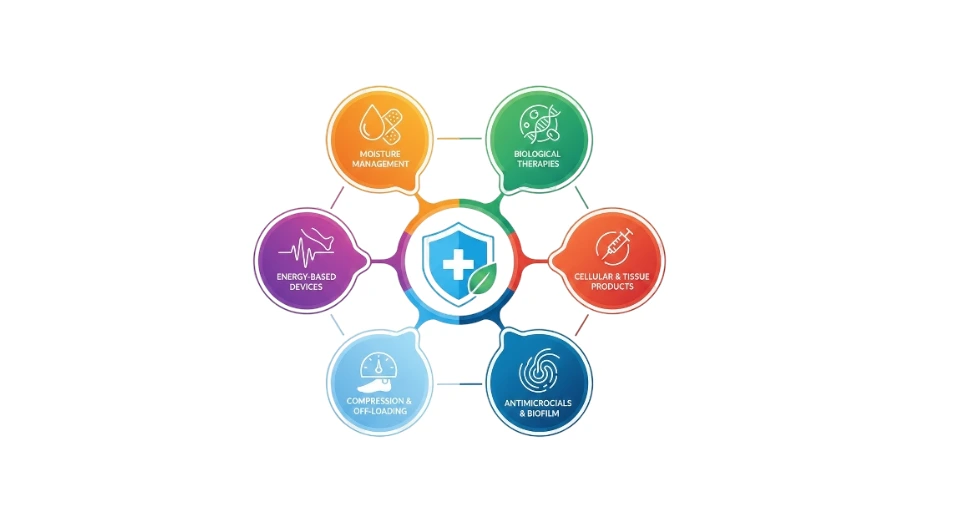
The Advanced Wound Care Market is about the things that doctors and nurses use to help people heal from bad cuts and wounds. This includes bandages that keep the wound moist, skin substitutes and machines that use negative pressure to help the wound heal faster. The Global Advanced Wound Care Market also has things like creams and tools to remove dead skin. All these things are meant to help people get better quickly stop infections from happening and make sure patients are okay when they are in the hospital at a wound care clinic or getting care at home. The Global Advanced Wound Care Market is really important, for people who need to heal from chronic wounds. The wound management market is getting bigger and bigger because more and more people are getting sick with things like diabetes and pressure ulcers. There are also more surgeries happening. The fact is, the world’s population is getting older. All of this means that people need ways to take care of wounds. The demand for wound management solutions is really driving the wound management market forward. The wound management market is growing because of the need, for wound care.
Chronic wounds are a problem. These include diabetic foot ulcers and pressure ulcers and venous leg ulcers. They need a lot of care. Chronic wounds are the group that needs help. We also have wounds. These happen because of surgery or trauma or burns. People with acute wounds need care too. Hospitals are where most people go for help with wounds. Doctors, in hospitals follow rules to make sure people get the care. Insurance helps pay for this care. Hospitals also use treatments that have been proven to work. Now people are also going to wound care clinics and getting care at home. This is because people want to be comfortable and do not want to go to the hospital all the time. Wound care clinics and home healthcare services are getting more popular. New things are being made to help people heal better. This includes dressings that fight off bad germs and are made with living things. There are also machines that help get rid of fluid and therapies that do more than one thing at a time. All of these product innovations with bioengineered dressings and NPWT devices and combination therapies are helping to make healing faster and treatment possibilities are getting bigger. Product innovations, like these are really making a difference.
North America is the market for this. This is because North America has hospitals and people know a lot about healthcare. They also have insurance plans that help pay for healthcare. Europe is next people in hospitals and special clinics really like these products. The Asia Pacific market is growing fast. This is happening because many people in the Asia Pacific region have wounds that do not heal. The government is also spending money on healthcare and people are learning about new ways to take care of wounds. South America and the Middle East and Africa are also getting markets. This is because governments are building hospitals and teaching people how to take better care of wounds. The market for wound care is getting bigger, around the world. North America, Europe, Asia Pacific, South America and the Middle East and Africa are all part of this growth.
Advanced Wound Care Market Segmentation
By Product Type
- Moist Dressings (foam, hydrocolloid, alginate, hydrogel)
Dressings that keep the wound moist are really good, at helping people heal from cuts that will not go away. These moist dressings are good because they make the wound heal faster. There is less chance of getting an infection. Hospitals and people who take care of others at home are starting to use these dressings more often because they are affordable. This is why moist dressings are being used more and more in the field and lots of doctors like them. Moist dressings are helping the market for these types of products to grow.
- Biological / Skin Substitutes
People are using skin substitutes more and more because they really help with healing. These are treatments that help the body fix itself. Doctors like to use them for surgeries and for wounds that are hard to heal. Biological and skin substitutes are good, at making people heal faster. They also help reduce problems that can happen when someone is hurt. This is why doctors are using skin substitutes with the normal ways of dressing wounds. Biological and skin substitutes are becoming very popular in hospitals.
- Negative Pressure Wound Therapy (NPWT) Devices
The use of Negative Pressure Wound Therapy devices is becoming more popular because they really work. People are getting better faster when they have wounds that will not heal. More hospitals are starting to use Negative Pressure Wound Therapy devices because they make treating wounds easier and people can go home from the hospital sooner. Negative Pressure Wound Therapy devices also work well with the treatments that doctors know are best.
- Other Advanced Products (topical agents, debridement devices)
Other products like creams you put on your skin and tools to remove tissue are getting more popular. They are helpful when people get treatment outside of the hospital or at home. These products are good at helping to prevent infections making people feel more comfortable and supporting the treatments for wound care. Other products, including these creams and tools are really useful for people who get treated for wounds at home or, in clinics.
To learn more about this report, Download Free Sample Report
By Wound Type
- Chronic Wounds
People are getting, these wounds are not healing. We are talking about things like diabetic foot ulcers and pressure ulcers and venous leg ulcers. These diabetic foot ulcers and pressure ulcers and venous leg ulcers are a problem. There are more and more people with diabetes and people are getting older. This means we need to take care of them for a time. We need solutions to help people, with diabetic foot ulcers and pressure ulcers and venous leg ulcers.
- Acute Wounds
Acute wounds from surgery, trauma or burns help with growth because hospitals and specialty clinics are using products. These products help to make healing happen faster. They also reduce complications. Make post-surgical care and emergency care better. Hospitals and specialty clinics are adopting these products to improve the care they give to people, with acute wounds from surgery, trauma or burns.
By End-User
- Hospitals
Hospitals are the ones that are using things first. This is because they have a lot of patients they have rules to follow when treating people insurance helps pay for things. They have the money to spend on advanced wound care technologies. So hospitals are the reason why wound care products are being used more and more. They are driving the growth of wound care products.
- Wound Care Clinics / Ambulatory Centers
People are going to wound care clinics and ambulatory centers often. These places are getting better at helping people because they are using better dressings and devices. The main goal of wound care clinics and ambulatory centers is to help people get faster. Wound care clinics and ambulatory centers want to make sure people heal quickly and don't have to deal with wounds for a time. This is especially important for people with wounds that do not heal easily. Wound care clinics and ambulatory centers are really good, at managing wounds.
- Home Healthcare
Home healthcare is growing due to increased patient awareness, aging populations, and remote care trends. Advanced wound care products are increasingly used in home settings for chronic and post-surgical wound management.
Regional Insights
The Global Advanced Wound Care Market is really different in parts of the world. This is because of the healthcare systems how people get paid back for expenses how common certain diseases are and how good the rules and regulations are in each place. North America, which includes the United States, Canada and Mexico is the market for Global Advanced Wound Care. The United States is the reason for this because it has a very good system, for paying back medical expenses a lot of people have chronic wounds and people are quick to use new technologies.
Canada is also a part of this market because it has a well-organized public healthcare system. Mexico is growing, not as fast, because it is still building up its hospitals and more people are becoming aware of Global Advanced Wound Care. The Global Advanced Wound Care Market is doing well in these countries the United States, which is a big part of the Global Advanced Wound Care Market.
Europe, which includes countries like Germany, United Kingdom, France, Spain, Italy and the Rest of Europe is seeing growth. Germany and the United Kingdom and France are like the markets in Europe. This is because these countries have hospital networks and they also have good reimbursement policies. On the hand Spain and Italy are growing, but not as fast as Germany and the United Kingdom and France. The Rest of Europe is also growing at a slower pace. This growth is happening because of programs for managing chronic wounds and because the population is getting older. Europe is seeing this growth and it is good, for Europe. The Rest of Europe is contributing to this growth in a way. Europe, including Germany, United Kingdom, France, Spain, Italy and the Rest of Europe is moving forward with this growth.
The Asia Pacific region, which includes Japan, China, Australia, New Zealand, South Korea, India and the rest of Asia Pacific is growing quickly. Japan, Australia and South Korea are the markets, in this region because they have very good healthcare systems. On the hand China and India are also very important because they are building more hospitals and clinics and more people are getting diabetes in these countries. The Asia Pacific region is special because it has Japan, Australia and South Korea which're very advanced and China and India which have a lot of potential for growth.
South America (Brazil, Argentina, Rest of South America) and Middle East & Africa (Saudi Arabia, United Arab Emirates, South Africa, Rest of the Middle East & Africa) are emerging Tier 2 regions, supported by healthcare modernization, government investments, and gradual adoption of advanced wound care technologies.
To learn more about this report, Download Free Sample Report
Recent Development News
- March 2025, Convatec, a leading medical products and technologies company focused on solutions for the management of chronic conditions, will showcase its latest innovations in advanced wound care solutions at the European Wound Management Association (EWMA) 2025 conference, in Barcelona
- May 2025, Smith & Nephew was selected under a 10-year contract worth up to $75 million to supply its RENASYS TOUCH Negative Pressure Wound Therapy Systems to the U.S. Department of Defense through the Defense Logistics Agency, highlighting strong institutional demand for advanced wound therapy devices.
|
Report Metrics |
Details |
|
Market size value in 2025 |
USD 9.60 Billion |
|
Market size value in 2026 |
USD 11.00 Billion |
|
Revenue forecast in 2033 |
USD 21.40 Billion |
|
Growth rate |
CAGR of 10.00% from 2026 to 2033 |
|
Base year |
2025 |
|
Historical data |
2021 – 2024 |
|
Forecast period |
2026 – 2033 |
|
Report coverage |
Revenue forecast, competitive landscape, growth factors, and trends |
|
Regional scope |
North America; Europe; Asia Pacific; Latin America; Middle East & Africa |
|
Country scope |
United States; Canada; Mexico; United Kingdom; Germany; France; Italy; Spain; Denmark; Sweden; Norway; China; Japan; India; Australia; South Korea; Thailand; Brazil; Argentina; South Africa; Saudi Arabia; United Arab Emirates |
|
Key company profiled |
3M Company, Smith & Nephew plc, Mölnlycke Health Care AB, ConvaTec Group plc, Coloplast A/S, Medline Industries, Inc., Integra LifeSciences Holdings Corporation, Organogenesis Holdings Inc., Hollister Incorporated, B. Braun Melsungen AG, PAUL HARTMANN AG, Cardinal Health, Inc., MiMedx Group, Inc., Urgo Medical, Nitto Denko Corporation. |
|
Customization scope |
Free report customization (country, regional & segment scope). Avail customized purchase options to meet your exact research needs. |
|
Report Segmentation |
By Product Type: Moist dressings (foam, hydrocolloid, alginate, hydrogel), biological/skin substitutes, negative pressure wound therapy (NPWT) devices, other advanced products (topical agents, debridement devices); By Wound Type: Chronic wounds (diabetic foot ulcers, pressure ulcers, venous leg ulcers), acute wounds (surgical, trauma, burns); By End-User: Hospitals, wound care clinics/ambulatory centers, home healthcare |
Key Advanced Wound Care Company Insights
Smith & Nephew plc is a name in wound care. They make lots of things like dressings and special machines that help wounds heal. These machines are called pressure wound therapy systems. They also make solutions. Smith & Nephew plc is really good at making things because they spend a lot of time and money on research. This helps them make dressings and machines that are easy to carry around. The company is very good at helping people with wounds. They are one of the top companies, in the business. Smith & Nephew plc sells their products around the world and they have a lot of different things to offer. Robust investment in new product development and regulatory approvals supports sustained growth and adoption across hospital and home healthcare settings.
Key Advanced Wound Care Companies:
- 3M Company
- Smith & Nephew plc
- Mölnlycke Health Care AB
- ConvaTec Group plc
- Coloplast A/S
- Medline Industries, Inc.
- Integra LifeSciences Holdings Corporation
- Organogenesis Holdings Inc.
- Hollister Incorporated
- Braun Melsungen AG
- PAUL HARTMANN AG
- Cardinal Health, Inc.
- MiMedx Group, Inc.
- Urgo Medical
- Nitto Denko Corporation
Global Advanced Wound Care Market Report Segmentation
By Product Type
- Moist Dressings
- Foam
- Hydrocolloid
- Alginate
- Hydrogel
- Biological / Skin Substitutes
- Negative Pressure Wound Therapy (NPWT) Devices
- Other Advanced Products
- Topical agents
- Debridement devices
By Wound Type
- Chronic Wounds
- Diabetic foot ulcers
- Pressure ulcers
- Venous leg ulcers
- Acute Wounds
- Surgical wounds
- Trauma
- Burns
By End User
- Hospitals
- Wound Care Clinics / Ambulatory Centers
- Home Healthcare
Regional Outlook
- North America
- United States
- Canada
- Mexico
- Europe
- Germany
- United Kingdom
- France
- Spain
- Italy
- Rest of Europe
- Asia Pacific
- Japan
- China
- Australia & New Zealand
- South Korea
- India
- Rest of Asia Pacific
- South America
- Brazil
- Argentina
- Rest of South America
- Middle East & Africa
- Saudi Arabia
- United Arab Emirates
- South Africa
- Rest of the Middle East & Africa





 APAC:+91 7666513636


