
Dec 26, 2025
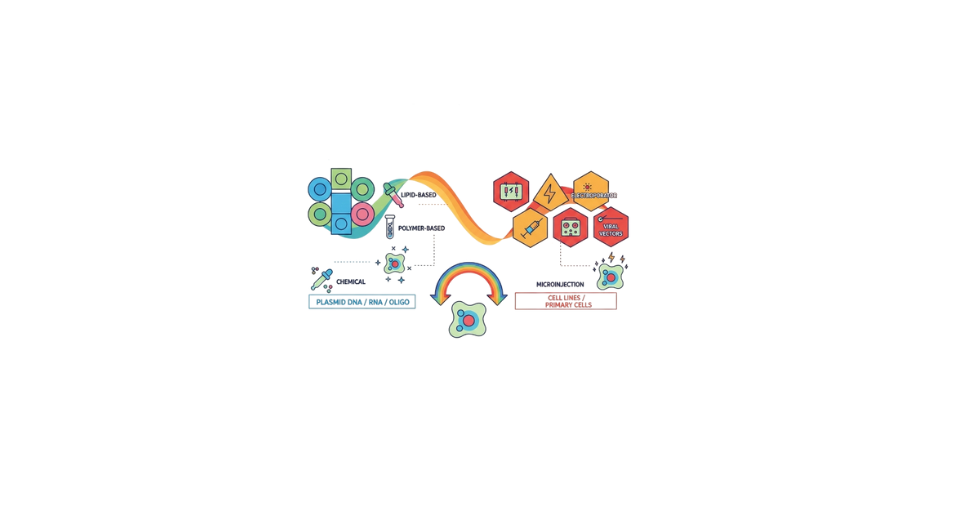
The report Transfection Reagents and Equipment Market By Product Type (Transfection Reagent, Transfection Equipment), By Transfection Method(Electroporation, Liposomes, Viral Transfection, Non-Viral Physical Method, Other), By End-Users (Pharmaceutical & Biotechnology Companies, Academic & research Institutes, Contract Research Organizations, Hospitals & Clinical Labs, Others), By Application (Biomedical Research, Protein Production, Gene Therapy & Therapeutic Delivery, Vaccine Development, Others), By Industry Analysis, Size, Share, Growth, Trends, Region and Forecasts 2021-2033 is expected to reach USD 2.73 billion by 2033 from USD 1.51 billion in 2025, at a CAGR of 7.70% from 2026 to 2033.
The Transfection Reagents and Equipment Market covers tools designed to deliver genetic material like DNA, RNA, or small nucleotide strands into living cells, mainly for studies, medical treatments, or large-scale uses. Important items here are chemical or bio-based reagents that help move genes into cells, along with machines, including electric pulse systems, tiny injection setups, or particle launchers. Such instruments play a big role in health-related experiments, making proteins, fixing faulty genes, or creating vaccines. Growth comes from more labs, both university-run and commercial, using methods like genome editing (CRISPR-Cas7), engineered gene activity, or producing custom proteins.
Demand for transfection tech grows as biopharma R&D ramps up, think CAR-T cells, custom meds, or lab-made antibodies. Instead of just one method, scientists often pick electroporation or lipofection since they work well on many cell types. Big drug firms use the most reagents, mainly to build new treatments; meanwhile, universities and labs keep buying them for experiments. In North America, a strong biotech scene pushes adoption, whereas in Europe, it's steady grants that help fund projects, while across the Asia-Pacific, booming science startups fuel demand.
Technology moves forward, while more studies push what’s possible in this field. Kits you toss after one use, better chemical mixes, and tools that deliver genes more precisely, they’re all making processes work smoother, safer, and repeatable. In places like Asia-Pacific or parts of Latin America, things are speeding up due to fresh cash flowing into science projects, labs getting upgrades, alongside stronger interest in gene treatments. Everywhere you look, new ideas keep fueling progress; these products now pop up often in real medical uses, factories, plus everyday lab work across continents.
The Transfection Reagent segment is projected to witness the highest CAGR in the Transfection Reagent and Equipment market during the forecast period.
The Transfection Reagent part is expected to grow fastest in the Transfection Reagents and Equipment market over the coming years - this boost comes from how flexible they are, along with strong demand across labs and treatment uses. Instead of complicated tools, many pick transfection reagents like lipid-based, polymer-based, or chemical kinds because they work well, don't need special training, and fit lots of different cells. Because these substances play key roles in health studies, creating proteins, altering genes - with methods like CRISPR-Cas7 and building vaccines, they’ve become essential gear inside today’s biology labs.
In addition, rising funding for biopharma research helps boost the transfection reagent sector, as does growing interest in tailored treatments. On top of that, gene and cell therapy projects are spreading fast. Labs and companies keep pushing the need for smarter kit solutions; these streamline lab processes while boosting consistency across tests. Meanwhile, better formulas designed for stubborn cell types or large-scale screening gain traction steadily. As a result, this niche stands out as the most rapidly expanding part of the broader marketplace.
The Electroporation segment is projected to witness the highest CAGR in the Transfection Reagent and Equipment market during the forecast period.
The Electroporation part should grow fast in the Transfection Reagents and Equipment field over the coming years due to its strong ability to get genetic material into tricky cells. Instead of chemicals, it relies on short electric shocks that briefly open holes in the cell’s outer layer, so DNA or RNA can slip inside. Scientists use this approach a lot now, especially when working with stem cells, designing CAR-T treatments, or testing new gene therapy areas where getting results right matters most.
On top of that, drug makers and biotech firms, alongside university labs, are pushing growth by needing reliable ways to deliver genes consistently. Newer electroporation tools, like big-capacity units or models that fit into fast-paced lab setups, are making the process smoother and faster. Because it works on many kinds of cells, even tricky ones like fresh-from-tissue samples or stubborn animal cells, it's becoming a go-to method as transfection demand climbs.
The Biomedical Research segment is projected to witness the highest CAGR in the Transfection Reagent and Equipment market during the forecast period.
The Biomedical Research part should stay on top in the Transfection Reagents and Equipment market over the coming years, boosted by wider adoption of transfection methods across universities, hospitals, and labs. It covers work like studying gene activity, tweaking genes with CRISPR-Cas9, mimicking diseases, or making proteins, all needing solid ways to get DNA or RNA into cells. As scientists dig deeper into molecules, genetic codes, and tailored treatments, the need for dependable tools keeps rising.
Fueled by growing R&D spending across drug makers, biopharmaceutical firms, and universities worldwide, this area keeps gaining ground. Instead of older techniques, newer ones like electric pulses, fat-based carriers, or virus-assisted transfer are boosting success rates in lab tests. As science projects multiply and demand for fresh medical treatments rises, work in health-related studies becomes a major force behind sales of gene delivery tools and devices.
The Pharmaceutical and Biotechnology Companies segment is projected to witness the highest CAGR in the Transfection Reagent and Equipment market during the forecast period.
The Pharma and Biotech firms are expected to top the Transfection Reagents and Tools market in the coming years, fueled by rising needs in gene treatments, making proteins in labs, or finding new drugs. They use these tools a lot for fast testing, creating fresh medical solutions, while improving how they make biological medicines. This group gains an edge thanks to steady R&D spending and picking up modern methods like CRISPR-Cas9, CAR-T approaches, along with virus-based systems to deliver genes.
Fueled by tighter ties between new biotech labs and big drug makers, this sector’s rising fast - while fresh moves into developing regions tap cheaper R&D setups. With focus shifting toward tailored treatments and smarter bio-drugs, there's steady pressure to find solid gene delivery tools, making pharma and biotech giants the top players worldwide.
The North America region is projected to witness the highest CAGR in the Transfection Reagent and Equipment market during the forecast period.
The North America area is expected to take the biggest chunk of the Transfection Reagents and Equipment market in the coming years due to a strong base in biotech and drug research. In this region, the U.S. stands out because it's got top-tier labs, heavy spending on innovation, while also using transfection tools widely for gene treatments, CRISPR work, and making proteins. Cash flows easily here, rules are favorable, plus there’s a dense network of major universities and companies that keep the edge sharp.
On top of that, North America gains an edge thanks to major companies being based there, solid teamwork between labs and biotech firms, while new transfection tools catch on fast. Another thing - rising needs in areas like crafting CAR-T treatments or pumping out proteins at scale push demand up, which keeps the region ahead in the worldwide race for transfection tech.
Key Players
Top companies include Thermo Fisher Scientific, Merck KGaA, Lonza Group Ltd, PerkinElmer Inc., Promega Corporation, Polyplus Transfection, Takara Bio Inc., Bio-Rad Laboratories, Axon Lab AG, Polyplus, MaxCyte, OriGene Technologies, Hoffmann La Roche Ltd, Mirus Bio LLC, Agilent Technologies, Genscript Biotech Corporation, Sino Biological, Altogen Biosystem, Cytiva, and Others.
Drop us an email at:
Call us on:
+91 7666513636

 inquiry@transpireinsight.com
 APAC:+91 7666513636
 Address





