
May 11, 2026
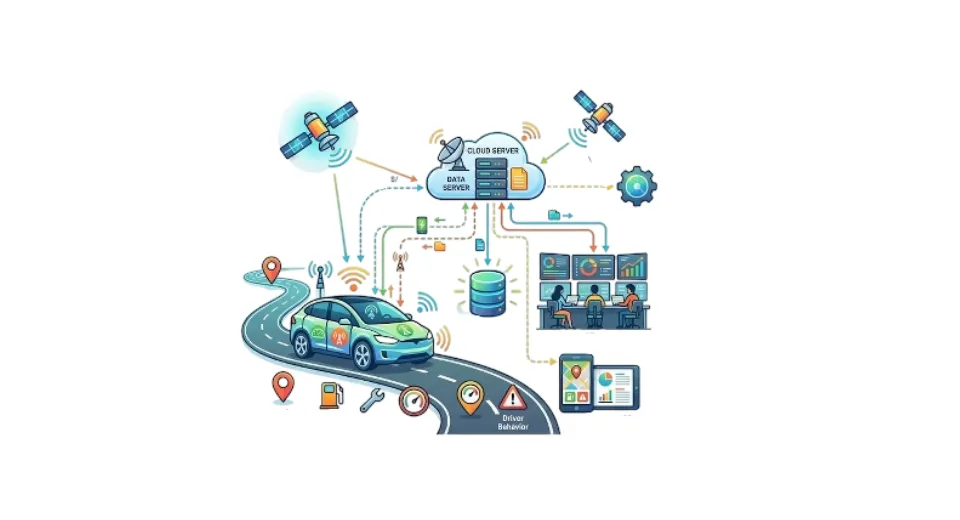
Connected vehicles are changing how people drive, manage fleets, and stay safe on the road. The Global Telematics Systems Market reflects this shift as vehicles become more intelligent and data-driven. The market reached a value of USD 52.7 billion in 2024 and is expected to grow to about USD 58.76 billion in 2025. By 2033, the market will likely reach nearly USD 124.29 billion, growing at a strong CAGR of 11.30% during the forecast period. Growing demand for real-time vehicle data, better safety features, and efficient fleet operations continues to drive the Global Telematics Systems Market.
Modern vehicles now use telematics systems to collect and share data such as location, speed, fuel use, and driver behavior. This information helps improve driving safety and vehicle performance. Many companies and vehicle owners rely on these systems to monitor vehicles and reduce risks. As more vehicles connect to digital networks, the Global Telematics Systems Market continues to expand.
Fleet management stands out as one of the most important applications in the Global Telematics Systems Market. Logistics companies, delivery services, and transport operators use telematics systems to track vehicles in real time. These systems help improve route planning, reduce fuel costs, and manage driver performance. Businesses use this data to increase efficiency and reduce operational costs. Because of these benefits, demand for fleet management solutions continues to grow.
Hardware leads the Global Telematics Systems Market and accounts for about 48% of total demand. Devices such as GPS trackers, onboard diagnostic units, and sensors form the base of telematics systems. These components collect and transmit data from vehicles to central systems. Strong demand for connected devices in vehicles continues to support the hardware segment.
Software also plays a key role by processing and analyzing the data collected from vehicles. Telematics software helps users understand vehicle performance, track routes, and identify issues. Many companies use software platforms to manage large fleets and improve decision-making. Services such as installation, maintenance, and data support also contribute to market growth, as users require ongoing system support.
Passenger cars represent a large share of the Global Telematics Systems Market as more consumers adopt connected vehicle features. Drivers now expect navigation, entertainment, and safety systems to work smoothly. Telematics systems provide features such as real-time traffic updates, emergency assistance, and remote vehicle monitoring. These features improve the driving experience and increase safety.
Commercial vehicles also play a major role in the Global Telematics Systems Market. Businesses use telematics systems to manage fleets and ensure timely deliveries. These systems help track vehicle usage, monitor driver behavior, and reduce downtime. Fleet operators rely on telematics to improve productivity and maintain vehicle health.
Safety and security applications continue to gain importance. Telematics systems provide features such as emergency alerts, theft tracking, and driver assistance. These systems help reduce accidents and improve road safety. Governments and regulatory bodies also encourage the use of safety technologies in vehicles, which supports market growth.
Navigation and infotainment systems also contribute to the Global Telematics Systems Market. Drivers use these systems for real-time navigation, music streaming, and communication. These features make driving more convenient and enjoyable. As technology improves, infotainment systems become more advanced and user-friendly.
Asia Pacific shows strong growth in the Global Telematics Systems Market due to increasing vehicle production and rising adoption of connected technologies. Countries such as China, India, and Japan invest in smart transportation systems and digital infrastructure. Growing demand for fleet management and vehicle tracking solutions supports market expansion in this region.
North America also holds a significant share due to early adoption of telematics technology. Many companies in this region use telematics systems for fleet operations and vehicle monitoring. Strong presence of technology providers and high demand for connected vehicles continue to support market growth.
Technology advancements continue to shape the Global Telematics Systems Market. Integration of artificial intelligence, cloud computing, and advanced analytics improves system performance. These technologies help process large amounts of data and provide useful insights. Improved connectivity through 4G and 5G networks also enhances real-time data transmission.
Companies continue to focus on developing advanced telematics solutions. Many systems now offer features such as predictive maintenance, driver scoring, and remote diagnostics. These features help reduce costs and improve vehicle efficiency. Continuous innovation supports long-term growth in the Global Telematics Systems Market.
Key companies operating in the Global Telematics Systems Market include Verizon Communications Inc., AT&T Inc., Trimble Inc., TomTom N.V., Geotab Inc., Robert Bosch GmbH, Continental AG, Qualcomm Incorporated, Harman International Industries Inc., Octo Telematics S.p.A., CalAmp Corp., Mix Telematics Ltd., Teletrac Navman US Ltd., Sierra Wireless Inc., and Zonar Systems Inc. These companies focus on expanding product offerings, improving connectivity solutions, and strengthening global presence.
Growing demand for connected vehicles, better fleet management, and improved safety systems will continue to drive the Global Telematics Systems Market. As technology becomes more advanced and vehicles become smarter, telematics systems will remain an important part of the automotive and transportation industries.
Drop us an email at:
Call us on:
+91 7666513636

 inquiry@transpireinsight.com
 APAC:+91 7666513636
 Address





