
Feb 14, 2026
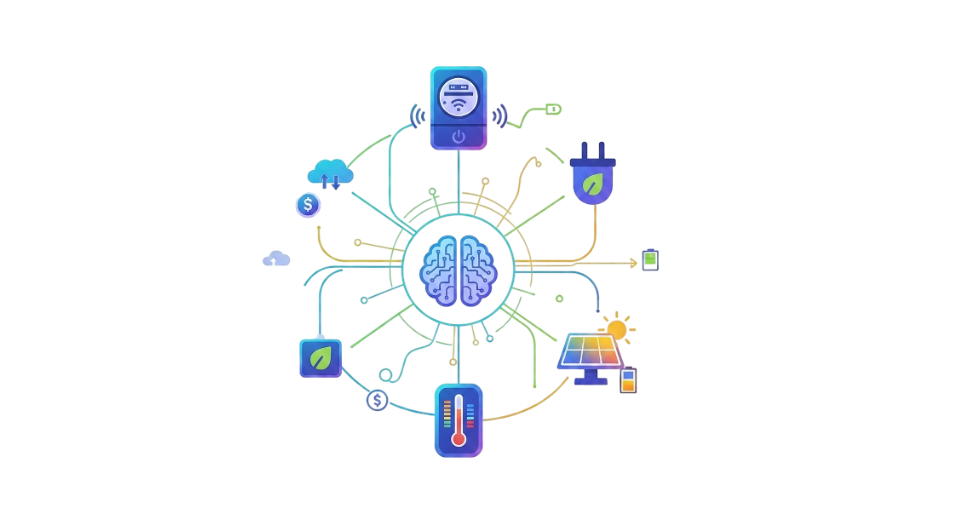
The report “Smart Home Energy Monitoring Devices Market By Device Type (Smart Energy Meters, Smart Plugs, In-Home Displays, Smart Thermostats, Energy Monitoring Sensors), By Technology (Wired, Wireless), By Application (Electricity Monitoring, Gas Monitoring, Water Monitoring, Solar and Renewable Energy Monitoring) and By End User (Residential, Small & Medium Enterprises)” is expected to reach USD 8.20 billion by 2033, registering a CAGR of 12.00% from 2026 to 2033, according to a new report by Transpire Insight.
The Smart Home Energy Monitoring Devices Market is experiencing a smooth growth as more and more households are embracing smart technologies to enhance energy efficiency and optimize energy usage. These devices help in monitoring energy consumption in real time, including electricity, gas, water and alternative energy. The increasing cost of electricity and the awareness of sustainable energy practices are pushing consumers to use energy monitoring solutions that help them understand their energy consumption patterns. The growing smart home infrastructure and the convergence of energy monitoring solutions with smart home automation platforms are also fueling the market. The demand for energy monitoring devices is directly linked to the development of IoT-based home infrastructure and the increasing adoption of smart meters and smart appliances. Energy monitoring devices are being increasingly incorporated into home energy management systems, enabling consumers to monitor their energy usage from a distance and automate energy-saving features. Advances in wireless communication and data analytics are also improving the capabilities of energy monitoring devices enabling predictive analytics and improved efficiency.
The rising use of distributed energy resources like rooftop solar panels and residential battery energy storage systems is also adding to the growth of the market. The importance of monitoring devices cannot be overlooked, as they help in the efficient tracking of energy production, consumption, and interaction with the grid, thereby allowing for optimized energy use. The governments and power companies are also encouraging energy efficiency and smart grid projects, further adding to the market demand. In addition to this, the factors of sustainability and environmental consciousness are also influencing the buying behavior, especially in the developed regions where energy optimization has become the need of the hour. The players in the market are also focusing on developing enhanced software functionality and AI-based analytics to further enhance performance tracking and automation. The integration of energy monitoring with smart home management solutions is also expected to contribute to the growth of the Smart Home Energy Monitoring Devices Market.
The Smart Energy Meters segment is projected to witness the highest CAGR in the Smart Home Energy Monitoring Devices during the forecast period.
According to Transpire Insight, The smart energy meters segment is the most prominent device type because of the crucial role it plays in facilitating the accurate and constant measurement of domestic energy usage. The increasing dependence of the energy sector on smart meters for real-time energy monitoring, demand management, and enhanced billing clarity is expected to fuel the growth of this segment. The support of government policies for smart grid upgrades and energy efficiency projects is also expected to contribute to the dominance of smart energy meters in the market.
From a research perspective, the segment is expected to benefit from the increasing adoption of advanced metering infrastructure and the increasing digitalization of energy infrastructure. Smart energy meters facilitate advanced energy usage analysis, enabling consumers to detect areas of inefficiency and optimize their energy usage patterns. The compatibility of smart energy meters with renewable energy systems and distributed energy generation systems is expected to further enhance their relevance.
The Wireless segment is projected to witness the highest CAGR in the Smart Home Energy Monitoring Devices during the forecast period.
The technology type is led by wireless technology because of its flexibility and ease of installation. Wireless-enabled monitoring devices also do not require extensive wiring, making them ideal for retrofit applications. The adoption of Wi-Fi and low-power communication protocols is also increasing, ensuring seamless connectivity between monitoring devices and management platforms, which is leading to widespread acceptance in the market.
The adoption of wireless technology is also fueled by the development of IoT connectivity and cloud-based analytics, ensuring real-time data transmission and remote monitoring. Consumers are also demanding scalable solutions that enable the integration of additional devices without requiring changes to the infrastructure. Wireless technology also enables faster deployment and lower installation costs compared to wired solutions, leading to an increase in its market share. Smart homes are becoming increasingly interconnected, and wireless technology is expected to remain the technology of choice.
The Electricity Monitoring segment is projected to witness the highest CAGR in the Smart Home Energy Monitoring Devices during the forecast period.
According to Transpire Insight, The application of electricity monitoring continues to lead due to the fact that electricity consumption accounts for the majority share of domestic energy consumption. With the increasing cost of electricity and the growing awareness among consumers about energy conservation, the need for solutions that can monitor and optimize electricity consumption has increased.
The application is also driven by the increasing integration of electricity monitoring devices with renewable energy sources such as solar power systems and residential energy storage solutions. These devices enable the monitoring of electricity generation and consumption in real time, allowing consumers to optimize self-consumption and minimize the consumption of grid electricity. With the trend of electrification in transportation and household appliances, electricity monitoring is expected to continue to be a major application area.
The Residential segment is projected to witness the highest CAGR in the Smart Home Energy Monitoring Devices during the forecast period.
The residential market is leading the end-use market due to the increasing adoption of smart home solutions and the growing interest of consumers in energy optimization. Homeowners are increasingly using monitoring devices to control energy expenses, improve convenience, and meet sustainability goals. The development of easy-to-use applications and automation capabilities is fueling mass adoption in homes looking to optimize energy management.
From a market standpoint, the residential market is driven by increasing awareness of environmental concerns and government support for the adoption of energy-efficient solutions. The ability to control energy-consuming devices through home automation systems is further boosting adoption. As the penetration of smart homes continues to rise worldwide, the residential market is set to remain the leading contributor to market growth in the Smart Home Energy Monitoring Devices Market.
The North America region is projected to witness the highest CAGR in the Smart Home Energy Monitoring Devices during the forecast period.
North America is identified as the foremost regional market owing to its early adoption of smart home solutions and a well-developed digital infrastructure. The region is aided by the robust regulatory focus on energy savings and the widespread adoption of smart grid solutions, especially in the United States and Canada. The population also displays a high level of awareness regarding energy savings, thereby creating a steady demand for monitoring devices coupled with automation solutions and renewable energy solutions.
In addition, the demand response initiatives initiated by the energy utilities and the development of advanced energy management solutions also contribute to the steady growth of the regional market. The presence of prominent technology companies and a robust distribution network also aids in improving market penetration. The rising electrification and adoption of residential solar solutions also continue to increase the usage potential of monitoring devices, thereby maintaining the region’s dominant position in the global market.
Key Players
The top 15 players in the Smart Home Energy Monitoring Devices market include Schneider Electric SE, Siemens AG, Honeywell International Inc., ABB Ltd., Eaton Corporation plc, General Electric Company, Enphase Energy, Inc., Sense Labs, Inc., Emporia Energy, Inc., Smappee NV, Leviton Manufacturing Co., Inc., Belkin International, Inc., Panasonic Corporation, LG Electronics Inc., and Landis+Gyr Group AG.
Drop us an email at:
Call us on:
+91 7666513636

 inquiry@transpireinsight.com
 APAC:+91 7666513636
 Address





