
Jan 02, 2026
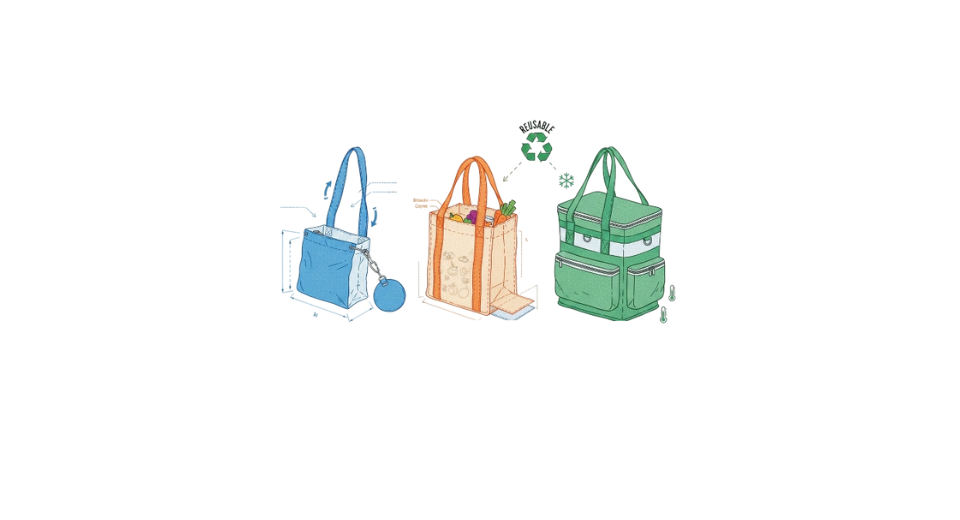
The report “Reusable Grocery Tote Bags Market By Material (Non-Woven Polypropylene, Cotton, Jute, Polyester, Canvas, Others), By Product Type (Standard Tote Bags, Foldable Tote Bags, Customized Bags, Insulated Bags), By End-Users (Retail Grocery Stores, Supermarket & Hypermarket, Specialty Stores, E-Commerce Retailers, Others), By Distribution Channel (Offline Channels, Online Channels)” is expected to reach USD 4.11 billion by 2033, registering a CAGR of 5.40% from 2026 to 2033, according to a new report by Transpire Insight.
Reusable bags can be used again and again, and are getting more popular because people want less waste. Around the world, stores and shoppers now choose these instead of throwaway plastic ones. New rules in many countries make it harder to hand out single-use bags at checkout counters. Some places charge extra for them, others ban them completely. This pushes both businesses and buyers toward longer-lasting options. In big cities and chain supermarkets, cloth totes show up almost every time someone buys food. They fit right into how people shop today. What once seemed unusual has quietly become normal.
Their low cost, strength, and light weight make them practical for large-scale manufacturing while allowing clear brand printing. Most come into homes via supermarkets and big retail chains that hand them out under store brands, rewards systems, or special offers. People now pay more attention to ecological impact, choosing items that fit greener habits. This shift pushes consistent reuse and drives fresh purchases when old ones wear out.
Growth gets a boost from online grocery shopping on the rise, more room for brand identity, along with fresh ideas like collapsible and temperature-controlled carry bags. Starting strong in North America, tight rules on plastic waste plus public concern about eco impact keep demand steady there. Over in the Asia Pacific, cities are growing fast, people need alternatives, governments push less plastic, making it the quickest expanding area. With green thinking now built into how stores and makers operate, steady progress looks likely ahead.
The Non-Woven Polypropylene segment is projected to witness the highest CAGR in the Reusable Grocery Tote Bags market during the forecast period.
According to Transpire Insight, Non-woven polypropylene is growing in reusable grocery tote bags. This rise comes because it costs less, weighs little, and lasts longer than many other options. Supermarkets and big stores pick these bags since they can be used again without spending too much. A solid mix of lasting power and low price drives their popularity across major retail outlets.
Simple mass production, recycling options, plus better printing abilities let stores put logos on reusable polypropylene bags. Rules tightening on single-use plastic items push shops to switch materials. More brands joining eco-friendly programs speed things up, too - both in rich nations and fast-developing ones. This path stays steep upward.
The Standard Tote Bags segment is projected to witness the highest CAGR in the Reusable Grocery Tote Bags market during the forecast period.
That comes from standard tote bags, expected to stay dominant through the outlook years. Their straightforward look helps. So does how easy they are to carry and reuse day after day. Most people see these at checkout counters, handed out by stores swapping plastic for sturdier options. Because shoppers meet them so often, they’ve become the go-to choice across different regions and demographics.
Cheap manufacturing helps, sure. Then there is how often they need replacing, quite a lot, actually. Big retail networks want them too, especially those pushing eco-friendly rules and clean supply chains. Another thing: these totes have wide spaces perfect for logos or slogans. Stores find that useful, so they keep ordering more. Online shops do the same. So the flow stays constant, no matter where people buy.
The Supermarket & Hypermarket segment is projected to witness the highest CAGR in the Reusable Grocery Tote Bags market during the forecast period.
According to Transpire Insight, despite growing alternatives, supermarkets and big-box stores are expected to lead demand for reusable grocery totes over the coming years. A steady stream of shoppers plus a shift away from disposable plastic at payment counters. Retailers stock their own versions right where people shop, often bundling them with rewards or exclusive labels. Their reach and routine presence turn these outlets into top adopters - no surprise they claim the biggest share.
Rules that push cleaner practices help, especially where single-use plastics face tight restrictions. Instead of just selling stuff, big stores now hand out reusable totes that double as walking ads while people carry them around town. Across developing countries, more chain supermarkets mean a higher need for such bags. Even in mature markets, new store openings keep the momentum going year after year.
The Offline Channels segment is projected to witness the highest CAGR in the Reusable Grocery Tote Bags market during the forecast period.
Most people still grab reusable grocery tote bags when they shop in person. That is why offline stores lead the market. Supermarkets, big-box retailers, corner shops, and dedicated boutiques all carry them widely. Shoppers tend to pick up these bags right at the register. Buying happens naturally while doing regular food runs. Bricks-and-mortar locations stay central for such purchases.
Stores pushing eco-friendly moves help. Branding tricks at retail spots play a role, too. Getting products fast matters just as much. These things pull people into quick buys, then bring them back again. Offline shops also lean on real connections with shoppers. Sales pushes linked to using fewer plastic bags add fuel. Demand holds steady even while shopping online spreads wider.
The North America region is projected to witness the highest CAGR in the Reusable Grocery Tote Bags market during the forecast period.
Tough rules against single-use plastic. In both the United States and Canada, local laws charge fees or ban thin plastic sacks outright. Because of these moves, shoppers now grab cloth totes more often when buying food. Stores like supermarkets and large grocery stores stock them everywhere. Public concern about trash piling up plays a role, too - people notice what they toss away.
Fueled by active involvement from large retail networks, common eco-friendly efforts among stores, plus a habit of buying lots of groceries per person, the market keeps gaining ground. Retailers handing out reusable tote bags to spread their name, combined with digital shopping options backed by physical store reach, should keep the need for these bags stable throughout North America in the years ahead.
Key Players
Top companies include Holden Bags, Nanchang Gentle Packing, ChicoBag, Brown Living, Flymax Exim, MGC Bags, Sekawati, Handmakers, Carrygreen, Bulkcotton Bags, Cotton Jute Bags, Ecosacks, LMC Global Private Limited, Environ Tote Inc., and TBF Bags.
Drop us an email at:
Call us on:
+91 7666513636

 inquiry@transpireinsight.com
 APAC:+91 7666513636
 Address





