
Jan 05, 2026
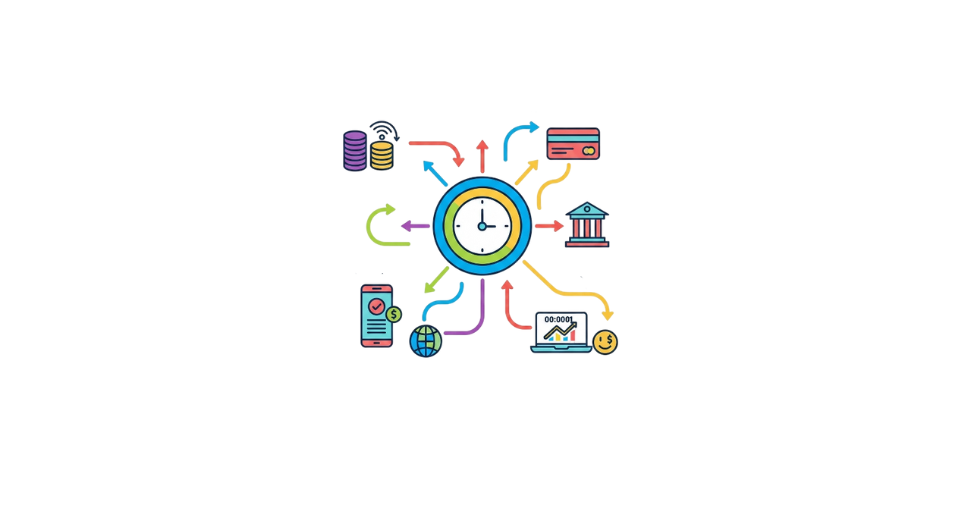
The report “Real-Time Payments Market By Component (Services, Solutions), By Transaction Type(Person-to-Person, Business-to-Business, Consumer-to-Consumer, Business-to-Consumer), By Deployment Mode (Cloud-Based, On-Premises), By End-Users (Banks & Financial Institutions, FinTech Providers & Payment Service Providers, Corporate & Retailers, Government & Public Sectors)” is expected to reach USD 385.11 billion by 2033, registering a CAGR of 35.37% from 2026 to 2033, according to a new report by Transpire Insight.
Nowhere else has change come so fast as in how money moves today. Speed matters more every day, with companies and people alike wanting cash right when needed. Instant access shapes choices banks adapt by moving funds without delay between individuals or businesses. Satisfaction grows not because someone says it does, but when payments just work. Digital habits push everything forward, especially apps that hold value and services built around them. Growth sneaks up quietly through everyday tools used on phones or online platforms.
Core systems that handle payments and related tools are central to how fast transfers work. On top of those, help comes through setup guidance, advice, custom setups, and ongoing management, keeping things running smoothly while meeting updated rules. Lately, more are turning to internet-hosted models and designs built around open interfaces. This shift makes it easier to adjust size and adapt quickly when needs change.
A growing demand for smooth, instant money transfers in many sectors. Different players banks, tech firms, big companies, and even public institutions are turning to real-time payments to handle billing, payouts, and salaries, without losing sight of each step, saving time and effort along the way. Smarter tools like artificial intelligence, data tracking, and distributed ledgers now help spot scams, automate tasks, and offer richer features. These upgrades keep the momentum going for immediate payment systems in the years ahead.
The Solution segment is projected to witness the highest CAGR in the Real-Time Payments market during the forecast period.
According to Transpire Insight, the Solutions part stands out, growing more than others in the coming years. Rising need pushes its banks want strong systems that handle payments right away. Firms across finance and tech look for tools able to scale, keeping pace with constant transaction flow. Instant transfers between people, businesses, and customers all rely on updated infrastructure. Speed matters. So does safety and clarity in every move money makes.
Fueled by rising demand, cloud setups now shape how tools get delivered, pulling ahead of traditional service models. Because they link easily through APIs, these systems handle payments with smarter tech under the hood. While moving transactions smoothly, they also spot suspicious activity and stick to regulations without extra effort. Efficiency gains give them an edge, making this group outpace others despite a crowded field.
The Person-to-Person segment is projected to witness the highest CAGR in the Real-Time Payments market during the forecast period.
Fueled by a surge in mobile wallet usage, people now move cash instantly through apps designed for quick sharing between contacts. Growth here ties closely to how often folks choose digital tools over traditional banking steps. What stands out is the shift toward speed without sacrificing safety during exchanges among known individuals. Ease matters most when sending small amounts across distances daily. This trend gains strength because regular users expect immediate results each time they initiate transfers.
Nowadays, more people use phone apps and websites to handle money stuff fast. This shift pushes instant payment systems into everyday use. Alerts that pop up right away keep users informed without delay. Smart software helps spot suspicious activity before it becomes a problem. Moving between different services feels smooth, almost invisible. Because of these changes, sending cash directly from one person to another grows quicker than any other kind of financial move.
The Cloud-Based segment is projected to witness the highest CAGR in the Real-Time Payments market during the forecast period.
According to Transpire Insight, Growth in the cloud-based setup area should outpace others in the coming years due to room to grow, adaptability, and fewer expenses. Financial firms, plus those handling payments, find it easier to roll out fast-transfer systems through online platforms. These setups handle heavy loads of transactions without slowing down. Real-time operations stay smooth under pressure. Speed matters when moving money now. Systems scale up as needs change. Costs stay predictable even during spikes. Technology lives off-site but works instantly. That shift makes updates less disruptive. Institutions avoid large upfront investments. Performance stays steady across regions. Access happens from multiple locations at once. Maintenance becomes simpler over time. Fewer hardware worries mean more focus on service. Instant processing fits modern expectations. Demand drives adoption steadily forward.
Out in the digital space, linking up through APIs flows naturally when systems live online, while tools for spotting suspicious activity get sharper over time. Moving fast matters because cloud setups adapt quickly, which is why more teams lean toward them instead of housing tech onsite. Efficiency gains show up quietly, yet consistently, especially when automation handles routine checks behind the scenes.
The FinTech Providers & PSPs segment is projected to witness the highest CAGR in the Real-Time Payments market during the forecast period.
The fastest growth shows up in the FinTech and payment service provider group. Digital-native firms now push real-time payments into their systems more than before. Instant money movement becomes standard, driven by demand for speed. Wallet-style transactions rise alongside built-in finance tools. Customers lean toward brands that deliver quick, smooth, safe ways to pay. Those who move fast gain attention. Real-time processing acts as a magnet for users wanting less friction. Flexibility gives these providers an edge. Speed meets convenience right where people spend.
A fresh wave of tools, smart analysis, scam alerts, and open digital links is reshaping how money moves. These upgrades help smaller financial players stand out while pulling in more users. Speed matters here: new features roll out fast, and people jump on them quickly. Mobile payments now lead the race in real-time transactions simply because everyone keeps using them more.
The North America region is projected to witness the highest CAGR in the Real-Time Payments market during the forecast period.
Across North America, real-time payments are gaining ground fast due to solid banking tech, growing comfort with digital money moves, backed by rules that favor immediate transfers. In the United States, big steps are unfolding: projects like FedNow® and The Clearing House’s network push speed into everyday bank activity, linking lenders, finance apps, and companies in tighter loops.
A growing number of people now use mobile wallets, digital banking tools, or send money directly to others. This shift pushes more interest into instant payment systems. Big tech firms in finance operate here, while banks keep upgrading their networks, helping North America stay ahead globally when it comes to fast transactions.
Key Players
Top companies include ACI Worldwide, FIS, Fiserv, Mastercard, Visa, PayPal, Worldline, Temenos, Tata Consultancy Services, Capgemini, Oracle, Volante Technologies, AliPay, Adyen, and Square.
Drop us an email at:
Call us on:
+91 7666513636

 inquiry@transpireinsight.com
 APAC:+91 7666513636
 Address





