
Jan 27, 2026
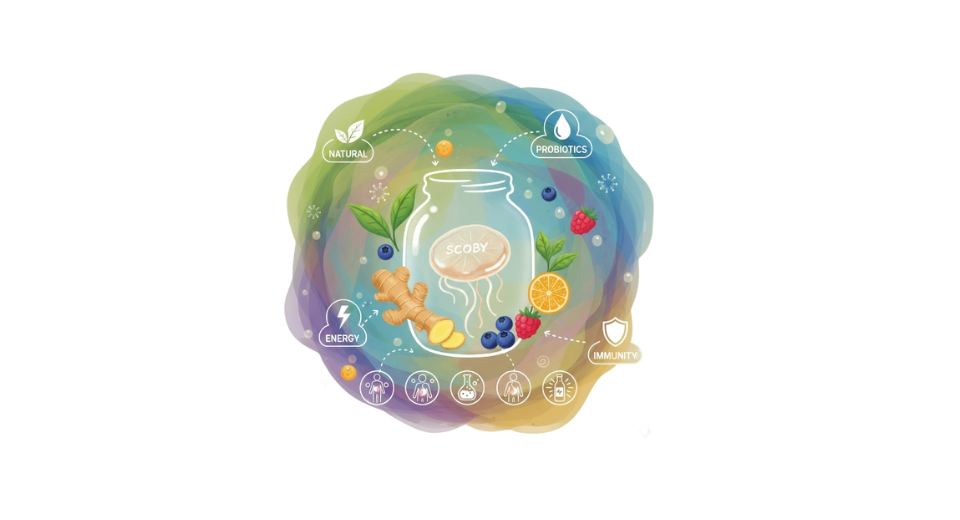
The report “Kombucha Market By Product Type (Alcoholic Kombucha, Non-Alcoholic Kombucha), By Flavor (Original, Fruit Flavored, Herbal & Botanical, Others), By Tea Type (Black Tea, Green Tea, Oolong & White Tea, Others), By Distribution Channel (Supermarkets & Hypermarkets, Health Food Stores, Online Retails, On-Trade)” is expected to reach USD 26.50 billion by 2033, registering a CAGR of 13.50% from 2026 to 2033, according to a new report by Transpire Insight.
Fueled by interest in gut-friendly drinks, kombucha's popularity climbs. A fizzy brew made from fermented tea, it lands on shelves as people swap soda for something less sweet. Probiotic-packed, it edges out regular juice and soft drinks when wellness matters. With cravings shifting toward clean labels and fewer sugars, this tangy drink fits right into modern routines.
Fresh tastes keep showing up, mixing fruits or herbs into blends that match different moods people have. Bottled versions pop onto shelves more often, fitting easily into routines when time runs short. What once felt rare now sits beside sodas, sipping moments built around speed or calm alike.
More people now pay attention to their health, so they reach for drinks like kombucha more often. Because functional beverages catch on fast, habits shift without much thought. Firms respond by fine-tuning how long the drink lasts, how it tastes, yet keep each batch steady. New versions pop up regularly, shaped by what drinkers want next. This move ties closely to how daily choices now lean toward well-being, quietly matching larger shifts in living patterns.
The Black Tea-Based Kombucha segment is projected to witness the highest CAGR in the Kombucha market during the forecast period.
According to Transpire Insight, Black tea kombucha may grow fastest. Because of its deep color and bold character, fermentation works especially well here. Full of helpful compounds, this version keeps batches stable in taste and strength. People who are just starting tend to reach for it, yet those who have sipped many bottles still favor it too. Strong on the tongue, familiar in feel, it holds steady across palates.
Folks want drinks that help digestion and boost defenses this pushes more people toward kombucha made from black tea. On top of that, mixing in fruits or herbs into the black tea mix brings new tastes, pulling in different buyers. These tweaks keep sales climbing steadily through the years ahead.
The Non-Alcoholic Kombucha segment is projected to witness the highest CAGR in the Kombucha market during the forecast period.
Every day, more people choose non-alcoholic kombucha without thinking twice. Because of its gentle effect on digestion, it fits easily into routines. Wellness matters now more than ever, so bodies get what they need without alcohol. This version pulls ahead, not by shouting but by simply showing up right. Health-focused drinkers reach for it most, turning a quiet trend into the main path.
More people now know how probiotics help their bodies. That knowledge pushes them toward drinking less alcohol or soda. Kombucha without alcohol fits right into that change. New tastes keep showing up on shelves. These options come in containers designed for busy lives. Easy access makes trying it feel natural. Each version draws someone different. Growth keeps building because of these small shifts. The trend holds steady through the years ahead.
The fruit-flavoured segment is projected to witness the highest CAGR in the Kombucha market during the forecast period.
According to Transpire Insight, out there among drinks, fruit-flavored kombucha stands out, growing faster than others. Because tastes shift, people lean toward versions that twist classic kombucha into something smoother. First sips feel easier when the sweetness from berries or citrus lifts the sharp edge. Younger drinkers find these mixes less strange on the tongue. Mango joins pineapple or guava in some bottles, bringing color along with flavor. Hidden perks seem to ride inside each pour vitamins, brightness, a sense of better days. These little boosts keep interest alive longer after the last sip fades.
More people want drinks that taste different, come from nature, and leave them feeling good. New mixes using fruits pop up often now - sometimes tied to seasons or grown without chemicals - to stand out, pull in those who watch what they drink yet crave something new. Bottles ready to grab straight away catch eyes on shelves thanks to bold looks, helping folks take them along easily wherever they go. These fizzy fruit kinds fit well alongside what many seek today: simpler ingredient names, less sweetness, and support for staying strong through the cold season. Growth stays steady because choices keep shifting just enough to feel fresh each time someone walks past the cooler.
The Supermarkets & Hypermarkets segment is projected to witness the highest CAGR in the Kombucha market during the forecast period.
They are everywhere people already shop. These places put drinks right in front of crowds who care about wellness, as well as those just curious. Shelves full of bottles catch eyes without effort. Brands gain ground simply by being where foot traffic runs heavy. First-time buyers grab a bottle while picking up snacks. Even unplanned interest turns into purchases here.
Ready-to-drink kombucha is seeing higher demand, and as more people learn about probiotic drinks, this boosts supermarket sales. Because shoppers notice these benefits, stores respond by giving kombucha more shelf room. Flavors multiply on display, alongside premium picks and organics, appear front and center. Eye-catching setups pop up near checkout lanes or aisle ends, nudging spontaneous buys. Buying in larger amounts feels natural here, helping brands stay visible beyond city centers. Suburban areas see the same push, keeping reach wide without extra effort.
The North America region is projected to witness the highest CAGR in the Kombucha market during the forecast period.
People here already know about drinks that do more than just quench thirst. Health matters a lot now, so picking something good for your gut makes sense to many. Stores everywhere - from big chains to small shops carry these fizzy fermented bottles. Even ordering online feels normal. What folks want lately leans toward less sugar, nothing artificial, and convenience in every sip. That shift lines up perfectly with what kombucha offers. Fewer sweet options are catching on quickly. Ready-made versions fly off shelves because they fit how people live today.
Now more than ever, new tastes and easier ways to carry kombucha pull people in, thanks to how fast life moves these days. What stands out is that big names already set up shop here, rules help rather than block progress, plus ads show up where folks look at TVs, phones, and websites, all pushing North America ahead as a top spot for kombucha growth.
Key Players
Top companies include GT’s Living Foods, Health?Ade Kombucha, KeVita (PepsiCo), Umami Brew, Brew Dr. Kombucha, Humm Kombucha, Kombucha Wonder Drink, Synergy (GT’s), Lion Kombucha, Olipop (functional beverages), Captain Kombucha, Remedy Organics, The Bu Kombucha Co., Better Booch, Brew Buch, and Unity Vibration Kombucha.
Drop us an email at:
Call us on:
+91 7666513636

 inquiry@transpireinsight.com
 APAC:+91 7666513636
 Address





