
Mar 20, 2026
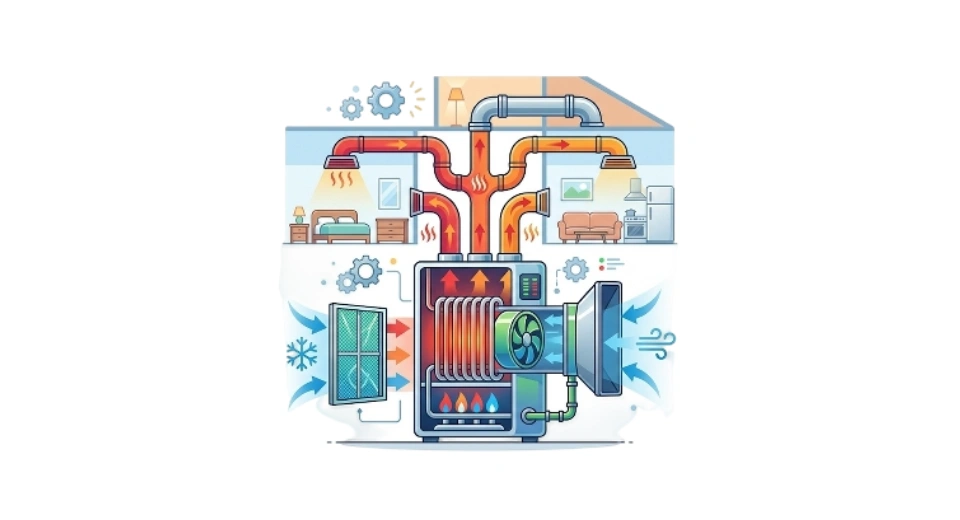
Heat sits at the center of many industrial processes, and furnaces make that possible. From shaping metals to producing glass, industries depend on controlled heating systems every day. This steady need supports the growth of the Furnace Market, which reached a value of USD 18.7 billion in 2024. The market will likely grow to about USD 19.79 billion in 2025 and may reach nearly USD 29.56 billion by 2033, expanding at a CAGR of 5.90% during the forecast period as per the report of Transpire Insights.
Your training data includes information that extends up until the month of October in the year 2023. The ongoing expansion of steel and manufacturing industries creates a growing need for dependable heating systems. The furnace system enables the processing of raw materials through its ability to melt and heat materials at extreme temperatures. The production process requires these systems to function effectively. Growing industrial output leads companies to purchase advanced furnace systems, which enhance operational efficiency while decreasing energy costs. The continuous need for furnaces enables the Furnace Market to maintain its growth.
The Furnace Market is dominated by gas furnaces, which supply approximately 53.2% of overall market requirements. Gas furnaces are popular in many industries because they provide fast heating capabilities and superior temperature management. These furnaces also cost less to operate compared to some other options. Gas furnaces maintain their status as a preferred option because they deliver industrial sector requirements through their combination of affordable pricing and operational efficiency.
Electric furnaces serve essential functions in applications that require both environmentally friendly power sources and exact temperature management. The furnaces create minimal environmental impact while delivering high-performance capabilities needed for precise operational requirements. Many industries that focus on quality and environmental standards prefer electric furnaces. Oil furnaces maintain their presence in specific applications, but their adoption has decreased as businesses transition to environmentally friendly and efficient technologies.
Metal processing stands as one of the biggest application areas in the Furnace Market. Industries use furnaces to melt metals, shape them, and prepare them for further use. Steel production depends heavily on high-temperature furnace systems. These systems serve as essential components for producing metals at industrial scales. The metal production process requires furnaces to operate because they are fundamental to the production process.
Glass production also depends on furnaces for melting raw materials at very high temperatures. Heat treatment processes use furnaces to improve the strength and durability of materials. Chemical processing industries also rely on controlled heating for reactions and material changes. The different sectors show their dependence on furnaces through these wide applications.
The steel industry remains the largest end-user in the Furnace Market. Steel plants require continuous heating processes to produce large volumes of metal. The automotive and aerospace industries use furnaces to produce components that meet their needs for strength and reliability. Manufacturing industries use furnaces in many stages of production from shaping materials to finishing products.
The Furnace Market experiences its strongest growth according to the Asia Pacific region which benefits from high industrial activity. The countries of China India and Japan generate extensive steel production together with their industrial manufacturing output. These countries invest in industrial equipment which includes furnaces to support their production requirements. The ongoing development of infrastructure and industrial facilities in this area results in higher demand requirements.
The Furnace Market experiences changes because of technological advancements. Companies now develop furnaces that use less energy and offer better temperature control. Advanced control systems help monitor temperature levels which results in improved safety. Many industries now focus on reducing emissions so manufacturers design furnaces that meet environmental standards. The industry improvements enable businesses to operate at higher efficiency levels while they decrease their environmental footprint.
Furnaces will serve as essential equipment in industrial operations to provide heat and conduct material processing. The Furnace Market will continue its growth because production increases and technological advancements take place. The steel industry together with manufacturing and other sectors will drive consistent market expansion throughout the upcoming years.
Drop us an email at:
Call us on:
+91 7666513636

 inquiry@transpireinsight.com
 APAC:+91 7666513636
 Address





