
Jan 22, 2026
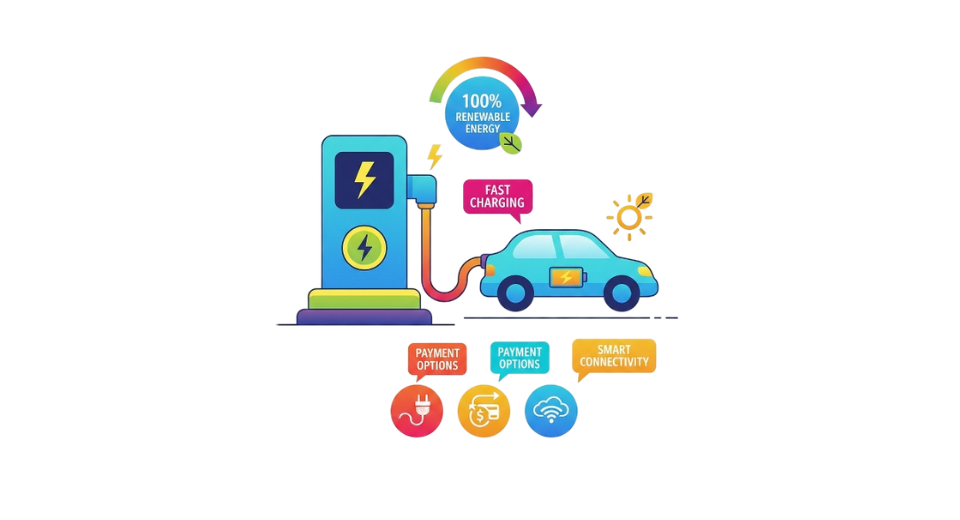
The report “EV Charging Station Market By Vehicle Type (Passenger Cars, Commercial Vehicles), By Level (L1, L2, L3), By Charger Type (Fast, Slow, Moderate) and By End User (Commercial, Residential)” is expected to reach USD 125.9 billion by 2033, registering a CAGR of 22.50% from 2026 to 2033, according to a new report by Transpire Insight.
The EV Charging Station Market is experiencing intense growth due to the increasing adoption of EVs across the global landscape. This is largely due to environmental awareness and the imposition of emission standards. Factors such as the rise of urbanization and the increasing need for transportation in the public and private sectors are further supporting the adoption of charging solutions. Advancements in fast charging technology and the need for smarter charging solutions across residential, commercial, and highway charging stations are further driving the market. The market also includes a range of vehicles such as cars and commercial vehicles. The charging levels range from Level 1 (L1), Level 2 (L2), and Level 3 (L3) connected through DC fast chargers. The emergence of intelligent management software will provide benefits for efficient utilization of energy, station monitoring, and flexible payment systems. The increasing use of fast charge points on highways and in urban areas is overcoming range-related issues. The moderate and slow charge points serve the need for charging within residences and workplaces, creating a balanced ecosystem
The growing acceptance of EVs in developed markets, together with the availability of subsidies, tax benefits, and favorable energy policies, is driving the growth of the market steadily. In developing markets, there is a growing investment in public and commercial charging points.Simultaneous collaboration between vehicle, energy, and charging network companies to provide seamless access to charging points is also contributing to the growth of the EV charging infrastructure market. The EV Charging Station Market is, in effect, a result of the global move towards electrification and the pursuit of a low-carbon economy. Investments by leading players in fast, medium, and slow charging infrastructure, as well as intelligent energy management solutions, are likely to continue the momentum of growth in the EV Charging Station Market. The development of charging infrastructure and technological advancements in charging solutions are increasing the willingness of people to use electric mobility solutions.
The Passenger Cars segment is projected to witness the highest CAGR in the EV Charging Station during the forecast period.
According to Transpire Insight, Passenger Cars lead the charging infrastructure in EVs as urban and suburban populations adopt electric vehicles in growing numbers. Incentivization initiatives, special tax treatments, and the increasing number of EV models in the market have made electric passenger vehicles more attractive, thereby promoting the need for charging infrastructure in residential and office settings and public charging points in turn. The ease of charging in a few hours in Level 1 and 2 charging in residential areas has encouraged users to switch from gasoline-powered vehicles, while highway charging solutions for longer routes provide a further fillip to this segment, with increasing numbers of commuter EV users in urban areas creating a predictable usage of the charging infrastructure.
The extended and reliable fast-charging infrastructure will be highly critical as carmakers continue to show more ambition for their electric passenger car offerings. Increased integration of smart energy management systems, mobile apps, and loyalty programs leverages user experience and acts efficaciously in the process of energy distribution and reservation management. Above this, emergence in fleet-sharing programs and urban car subscription models has further strengthened the segment, with operators giving importance to charging solutions that reduce downtime and enhance operational efficiency. Passenger cars remain the largest and most dynamic vehicle segment influencing global EV charging market growth.
The L2 segment is projected to witness the highest CAGR in the EV Charging Station during the forecast period.
Level 2 chargers are currently market leaders due to their well-balanced speed, pricing, and functionality in both residential and commercial environments. Compared to normal power outlets in homes but faster than DC fast chargers in terms of energy consumption during operation, Level 2 chargers offer customers much-needed rapid charging capabilities. In addition to this factor, their adoption in residential and commercial premises helps in promoting frequent daily charge operations. With rising demand for electric passenger vehicles among commuting professionals in urban centers, Level 2 chargers become a viable option for customers.
This is further supported by government programs that promote workplace and residential charging installations. Level 2 stations come with energy management solutions that allow users to schedule charging at lower electricity demand times, thus lowering the overall cost of electricity and improving grid pressure. Commercial places also have a reason to deploy these Level 2 charge systems: to attract customers who will hope their brands will further encourage sustainable prospects. Due to their versatility, affordability, and density of urban and suburban area servicing, Level 2 chargers will remain the leading segment for market penetration and continuous revenue growth in the global EV charging station industry.
The Fast segment is projected to witness the highest CAGR in the EV Charging Station during the forecast period.
According to Transpire Insight, Fast charging solutions are the most important part of the EV charging ecosystem, serving the high-demand segment as well as fleets. These charging solutions, ranging in power output from 50 kw to 350 kw, reduce charging times dramatically, thus countering range concerns for intercity traveling. The need for fast charging has been rising owing to the increased usage of e-trucks, e-buses, and ride-sharing services in the global market, thus making investing in the industry an opportunistic move.
The market for fast chargers is also driven by technological innovations in the form of modular technology, the integration of the smart grid, as well as advanced energy storage solutions. This is because the charging process can be currently tracked and controlled in real-time, ensuring improved network efficiency as well as customer satisfaction. Collaborations between the auto industry, governments, and charging network suppliers are currently pushing the adoption of fast chargers in major regions such as North America, Europe, as well as Asia Pacific. Fast chargers improve network accessibility while increasing the adoption of eMobility in inter-city routes, providing the best performance segment among chargers.
The Residential segment is projected to witness the highest CAGR in the EV Charging Station during the forecast period.
Residential charging is still the backbone of charging infrastructure for EVs. The ability to charge cars during the nighttime or schedule them for charging during off-peak hours allows customers to take advantage of cheaper electricity tariffs. Residential charging mostly involves the use of level 1 and level 2 charging points. They are quite convenient and can easily be integrated into the smart home energy systems. With increasing sales of EVs among private households, residential charging is currently the most dominant segment.
The demand for charging in the consumer sector is further fueled by incentives, discounts and initiatives offered by the government to lower the costs of installing charging infrastructure. The connection of charging infrastructure to solar panels, batteries and smart meters makes it possible to optimize energy while ensuring sustainable practices. The charging infrastructure in the consumer sector is also increasing the growth of EVs in urban sectors because the population develops confidence in the availability of energy. The consumer sector is the best-performing segment in the market to increase the number of charging stations globally.
The North America region is projected to witness the highest CAGR in the EV Charging Station during the forecast period.
North America currently dominates the market in the world of EV charging infrastructure, largely driven by the United States, followed by Canada and Mexico. In the United States, the pace of charging station rollout is further fueled by the presence of passionate federal and state programs to promote the deployment of these charging points in the country. The Tier 1 cities of Los Angeles, New York, and San Francisco already provide adequate coverage of fast charging and Level 2 charging infrastructure to support the range of EVs in the city.
The market for EV charging stations in North America is currently a leader in the global market primarily due to activities in the United States, Canada, and Mexico. In the United States, supportive federal and state policies, in addition to public-private partnerships, are fueling the rapid growth of EV charging stations in the United States. The Tier-1 cities of Los Angeles, New York, and San Francisco in California boast extensive coverage of fast charging stations as well as Level-2 stations in support of EV adoption in urban areas of the United States.
Key Players
The top 15 players in the EV Charging Station market include Tesla, Inc., ChargePoint Holdings, Inc., Electrify America, LLC, EVgo Services LLC, Shell Recharge Solutions, ABB Ltd., Blink Charging Co., Siemens AG, BP Pulse, BYD Company Ltd., Bosch Automotive Service Solutions Inc., EO Charging, Pod Point, ALFEN N.V., and Webasto Group.
Drop us an email at:
Call us on:
+91 7666513636

 inquiry@transpireinsight.com
 APAC:+91 7666513636
 Address





