
Feb 20, 2026
The report “End-to-End Neural Network Autonomous Driving System Market By Component (Hardware, Software, Services), By Vehicle Type (Passenger Vehicles, Commercial Vehicles, Robotaxis), By Level of Autonomy (Level 2, Level 3, Level 4, Level 5), By End-Users (Automotive OEMs, Autonomous Vehicle Technology Companies, Fleet Operators & Mobility Service Providers)” is expected to reach USD 9.80 billion by 2033, registering a CAGR of 26.40% from 2026 to 2033, according to a new report by Transpire Insight.
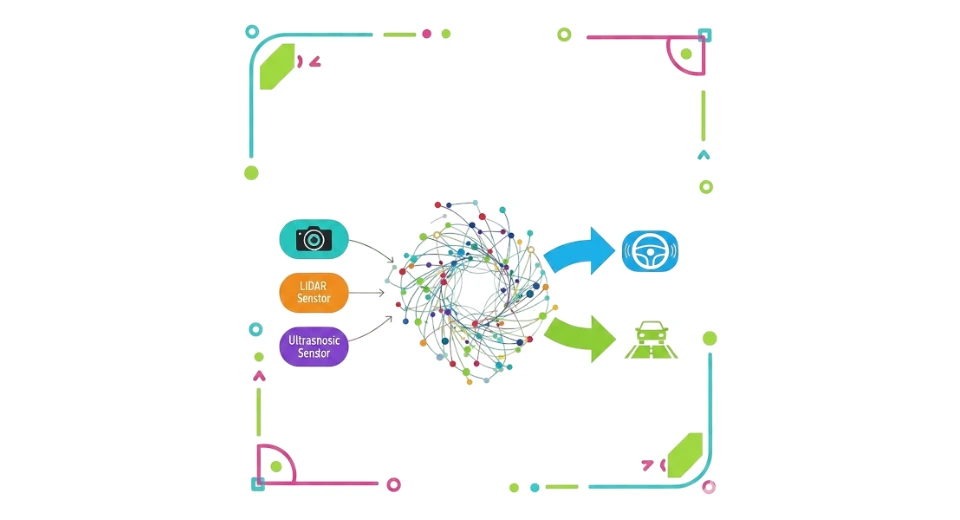
A growing number of carmakers are shifting away from old rule-heavy designs, turning instead to smarter, data-focused AI systems for self-driving vehicles. These new setups use deep learning networks that take unprocessed signals from cameras, radar, or lidar and turn them straight into actions a car can follow. By skipping multiple-layered steps, the tech simplifies design while also improving how quickly it learns. Decisions about what’s seen, where to go, and how to steer now happen faster, adjusting on the fly even in unpredictable traffic situations.
Speedy progress in smart machines, powerful computers, plus vast data sets pushes markets forward. Because better predictions matter, businesses tweak models, upgrade virtual testing, and then roll out live software fixes. Self-driving tech now lives inside electric, internet-linked cars - this mix pulls car builders, chip makers, and code creators closer.
New ideas push companies forward, while teaming up with others opens fresh paths. Safety checks matter more now, along with following rules and building systems that can grow smoothly. When people want cars that drive themselves safely, brains made of connected networks start to take charge. Progress comes not just from labs pouring money into research but also from how fast those lab results move into real roads. What drives change is not only technology, but also who uses it wisely first.
The Software segment is projected to witness the highest CAGR in the End-to-End Neural Network Autonomous Driving System market during the forecast period.
According to Transpire Insight, Software's growth stands out in the End-to-End Neural Network Autonomous Driving System market over the coming years because it powers how vehicles see, think, and act using deep learning. With self-driving tech leaning harder on data-based designs, the programs running them evolve fast - handling huge streams of sensor input instantly to manage tough road conditions. Though hidden beneath hardware, their complexity grows quietly, shaping responses before wheels turn.
Software-driven cars plus remote updates push more spending on smart algorithms and artificial intelligence systems. Because testing setups, virtual worlds, and online learning tools keep getting better, programs gain real strength over time. When car builders team up with tech firms aiming at flexible self-driving features that evolve constantly, code development holds steady gains ahead. Growth stays firm as long as upgrades happen without physical changes to hardware parts.
The Passenger Vehicles segment is projected to witness the highest CAGR in the End-to-End Neural Network Autonomous Driving System market during the forecast period.
A rising interest in smarter driving aids inside everyday cars. Because people want safer rides without heavy lifting, companies now build models that think ahead. These machines learn paths, spot obstacles, react - no patchwork tech needed. Buyers who care less about raw power and more about smooth, smart travel. So manufacturers respond not by adding parts but by replacing old logic with unified learning networks. Growth follows where attention goes, after all.
Cars now run on code just as much as engines. Because machines learn faster, decisions happen quicker inside vehicles. Software links wheels to the web, turning commutes into smart routines. As electric bases grow stronger, so does the fit between sensors and self-driving logic. Power under the hood is not only about volts anymore; it’s processing speed, too. What changes daily is how cars see, think, and respond. With sharper eyes and smarter brains built in, stepping up automation feels less like a leap, more like routine progress.
The Level 3 segment is projected to witness the highest CAGR in the End-to-End Neural Network Autonomous Driving System market during the forecast period.
According to Transpire Insight, with self-driving tech moving forward, Level 3 stands out as a growth here may top charts simply because cars take charge now and then, yet only when surroundings allow. Instead of full control, drivers stay involved but step back during specific moments, trusting the system to manage safely. Because machines do more while humans remain ready, companies see a practical path forward; so do rule makers. That shared confidence pushes these setups into everyday and work vehicles faster than others.
Now machines see better, think faster, thanks to smarter sensors working together. Confidence grows for Level 3 because systems make fewer mistakes during real driving tasks. Roads change slowly, rules adapt bit by bit, and people begin trusting hands-off moments. Growth kicks in once trust forms, even if fully self-driving cars stay years away.
The Automotive OEMs segment is projected to witness the highest CAGR in the End-to-End Neural Network Autonomous Driving System market during the forecast period.
Vehicle makers are expected to grow fastest in the self-driving neural network system market over the coming years because they are building artificial intelligence features right into new models. As companies push forward, many choose internal teams alongside strategic alliances instead of relying on outside tech alone. Smarter recognition, choices, and motion handling inside cars now depend heavily on these advanced networks. With every brand aiming higher, such systems have quietly become key markers that set one lineup apart from another. Growth here reflects deeper shifts happening under the hood across major auto firms.
Now comes a change, as cars become more like computers on wheels. Instead of adding self-driving tech later, makers are building it right from the start. Because electric models allow tighter integration, manufacturers choose to include full neural networks early. One result stands out: designs now evolve around smart systems from day one. Long-term plans benefit when thinking ahead becomes part of the engineering culture. Brand strength grows without needing loud claims - just smarter execution behind the scenes.
The North America region is projected to witness the highest CAGR in the End-to-End Neural Network Autonomous Driving System market during the forecast period.
Despite steady growth elsewhere, North America stands out with the fastest rising demand for full neural network-driven self-driving systems over the coming years. Major car manufacturers teaming up with technology firms and new entrants push progress forward at a quick pace. Research budgets run deep here, fueling rapid testing phases that already show real-world results on roads. Early trial programs pop up in cities, backed by environments where invention thrives without heavy roadblocks. Progress moves fast because funding flows freely, experiments launch quickly, and knowledge spreads with each step, tightening the link between smart software and vehicles meant to drive themselves.
Out here, trust in self-driving keeps growing because real-world trials run wide across open streets. Safety checks get serious attention, while talks with rule-makers shape how things move forward. Big car makers plant roots nearby, drawn by the pace of progress. Tech companies cluster close, feeding off shared momentum. Progress hums steadily where innovation finds room to stretch.
Key Players
Top companies include Tesla, Waymo, Cruise, NVIDIA, Mobileye, Baidu Apollo, Pony.ai, Aurora Innovation, Zoox, Argo AI, Motional, XPeng, Huawei, Toyota Research Institute, General Motors, Ford Motor Company, and Volkswagen AG.
Drop us an email at:
Call us on:
+91 7666513636

 inquiry@transpireinsight.com
 APAC:+91 7666513636
 Address





