
Feb 02, 2026
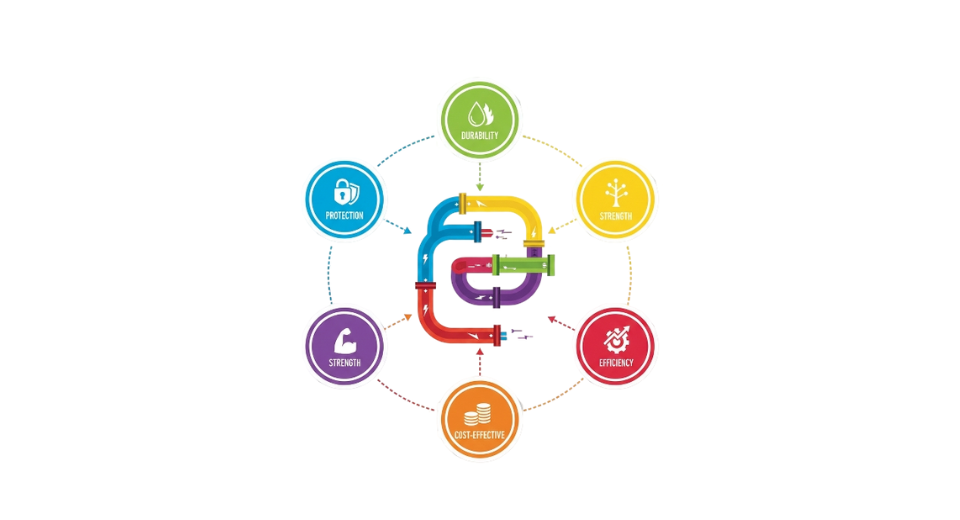
The report “Electrical Conduit Market By Material (PVC, Metal, Flexible Conduits, HDPE, Others), By Type Rigid Conduits, Flexible Conduits), By Application (Residential, Commercial, Industrial, Infrastructure), By End-Users (Construction Companies, Electrical Contractors, Industrial Plant & Manufacturing Units, Government & Infrastructure Projects)” is expected to reach USD 20.90 billion by 2033, registering a CAGR of 8.40% from 2026 to 2033, according to a new report by Transpire Insight.
Electrical conduit use keeps climbing worldwide. Safety rules push builders to choose these systems more often now. Homes, offices, schools, and places where people live and work are using them at a faster pace. Growth comes not just from cities but also from new factories popping up in developing areas. Wiring must last long while meeting strict guidelines that shape buyer choices today. Even older nations keep replacing outdated networks with better ones. Standards matter most when power needs move through walls unseen. Tough materials win favor wherever electricity flows underground or behind surfaces. Modern setups rely on parts that fit neatly together without fail. Progress shows not only in skylines but inside hidden pathways too.
Despite being light and cheap, PVC stands out because it resists rust and fits many setups. Metal tubes show up more where danger levels rise, especially inside factories or tough environments. Tough, stiff pipes win most contracts since they last longer and meet safety codes without issue. Bending types and heavy-duty plastic versions creep into use when spaces get tight or jobs go below ground. Factories push demand hardest now, though homes, offices, and large public works keep adding steady need.
North America takes the lead, mainly because factories run hard there, roads and buildings get upgrades often, and rules around safety are tough. The United States drives much of that strength. Over in Europe, things move with precision, construction methods stay sharp, laws shape choices, and results follow. Growth surges across the Asia Pacific, where cities rise fast, factories spread wide, and nations such as China, India, and those across Southeast Asia lean into cheaper ways to manage wiring paths. Momentum builds quietly in Latin America; it comes from new projects, fresh funding pouring into making structures last. Similar shifts appear in parts of the Middle East and Africa, though slower, shaped by rising needs, efforts to build more than before. Each place moves at its own pace, yet all push forward.
The PVC segment is projected to witness the highest CAGR in the Electrical Conduit market during the forecast period.
According to Transpire Insight, Lightweight, tough against rust, yet cheap to produce, which gives PVC an edge in the conduit world right now. Installation moves faster with these tubes, one reason homes and offices keep using them so much. Long life spans plus minimal upkeep make property managers reach for them again and again. Cities spreading outward means more buildings going up, which pulls demand higher year after year. Old power systems getting upgrades also open fresh space for this material to take hold. Global shifts toward dense living zones quietly boost how often it shows up on job sites.
Because materials have improved, PVC now bends more easily and lasts longer. Thanks to better performance, it works just as well outside as it does inside buildings. Safety rules are getting more attention worldwide, even in fast-growing economies. As those rules spread, demand for PVC protective tubing goes up. That shift helps the sector grow faster than others in the market.
The Rigid Conduits segment is projected to witness the highest CAGR in the Electrical Conduit market during the forecast period.
Lightweight, tough against rust, yet cheap to produce, which gives PVC an edge in the conduit world right now. Installation moves faster with these tubes, one reason homes and offices keep using them so much. Long life spans plus minimal upkeep make property managers reach for them again and again. Cities spreading outward means more buildings going up, which pulls demand higher year after year. Old power systems getting upgrades also open fresh space for this material to take hold. Global shifts toward dense living zones quietly boost how often it shows up on job sites.
Because materials have improved, PVC now bends more easily and lasts longer. Thanks to better performance, it works just as well outside as it does inside buildings. Safety rules are getting more attention worldwide, even in fast-growing economies. As those rules spread, demand for PVC protective tubing goes up. That shift helps the sector grow faster than others in the market.
The Industrial segment is projected to witness the highest CAGR in the Electrical Conduit market during the forecast period.
According to Transpire Insight, with factories and industrial sites expanding, the Industrial sector looks set to grow fastest in the Electrical Conduit market over the coming years. Because machinery needs steady power without disruption, strong wiring protection becomes essential - this is where conduits play a key role. As more plants turn to automated processes and smarter energy setups, better-grade conduits are being put into place across facilities. Growth here ties closely to tougher standards and the push for dependable infrastructure behind the scenes.
Fueled by strict safety demands, metal, alongside PVC and HDPE channels find steady work in heavy-duty settings. Across sprawling sites in North America, Europe, plus parts of the Asia Pacific, big builds keep pulling demand upward. Tough setups like these place the industry at the heart of earnings for electrical ducting worldwide.
The Construction Companies segment is projected to witness the highest CAGR in the Electrical Conduit market during the forecast period.
With homes, offices, and public works popping up fast across the globe, builders are using more electrical conduit than before. Because these firms handle most new structures, they rely heavily on conduits to protect wiring properly. Safety standards and updated codes push usage even higher. Growth in this area ties closely to how quickly cities upgrade their power systems.
PVC pipes are catching on because they last longer, save money, and go up fast. What’s pushing demand is not just rich countries but also rising cities where buildings need wiring. New roads, power grids, and office towers pop up every day thanks to public projects. Builders now shape how big the conduit business gets around the world.
The North America region is projected to witness the highest CAGR in the Electrical Conduit market during the forecast period.
Expect North America to stay on top for electrical conduit demand through the outlook window. Heavy industry keeps humming across the landscape, pushing need higher. Old city systems are getting upgrades, fueling further growth. Tougher rules around safe wiring practices add more pull. In the United States, building homes, offices, and factories drives a strong appetite. Outdated power setups are being swapped out at scale. Canada plays a steady role, too. City expansions help. So does choosing long-lasting, budget-friendly tubing options more often.
Fueled by rising reliance on PVC along with rigid tubing options, expansion pushes forward. Progress gets a lift from new tech methods, together with consistent setup rules across sites. Rules shape outcomes just as much as funding flows into power systems. Big factory builds add pressure too, pulling needs upward. Because of this mix, North America stands out - not loud, yet steady - inside the worldwide pipe network scene.
Key Players
Top companies include Southwire Company, Inc., General Cable Technologies Corporation, Allied Tube & Conduit Corporation, Atkore International Group, Inc., Thomas & Betts Corporation, ABB Ltd., Legrand SA, Schneider Electric SE, Hitachi Metals, Ltd., Nippon Electric Glass Co., Ltd., Huaneng Group, Alflex, Oman Cable Company, Polyvinyl Industries, Pelsan Group, Flexitallic Group, and Kaiser Steel Corporation.
Drop us an email at:
Call us on:
+91 7666513636

 inquiry@transpireinsight.com
 APAC:+91 7666513636
 Address





