
Jan 01, 2026
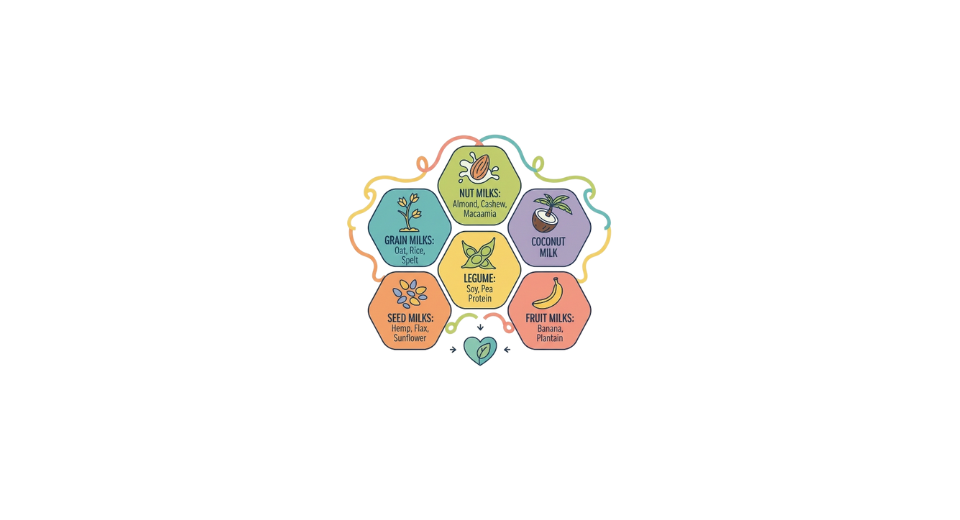
The report “Dairy Alternative Market By Source (Soy, Almond, Coconut, Oats, Rice, Others), By Product Type(Milk Alternatives, Cheese Alternatives, Yogurt Alternatives, Butter & Cream Alternatives, Ice Cream & Desserts, Others), By Application (Beverages, Food, Nutritional Products, Infants & Clinical Nutrition), By Distribution Channel (Supermarket & Hypermarket, Convenience Stores, Online Retail, Specialty Stores, Foodservices)” is expected to reach USD 95.60 billion by 2033, registering a CAGR of 12.63% from 2026 to 2033, according to a new report by Transpire Insight.
Years back, a few picked non-dairy milks. Now they are everywhere. Lactose trouble pushes some choices. Diets leaving out animal foods are growing more common. Health matters more now, so does how food affects Earth and animals. Soy once led the shift. Almond took hold next. Oat drinks rose fast after. Coconut and rice fill niches still. Milk stand-ins dominate what people buy. Labels boasting added nutrients catch eyes. Calcium gets boosted. Protein levels rise, too. Vitamins get mixed in often. These tweaks help folks say yes, whether in big cities or developing regions.
Looking at regions, North America takes up a big chunk of the worldwide dairy alternative scene because people there know a lot about plant-powered eating, have money to spend, and stores plus restaurants are already set up for it. In that area, the United States pulls most of the weight - almond and soy options sit front and center on store racks since folks like how they taste, and they’ve been around the longest. On another note, Asia Pacific is moving fast, growing quicker than others, thanks to many people struggling with digesting lactose, a habit of eating soy dishes, cities spreading out, and more households joining the middle class across places like China, Japan, and India.
When it comes to splitting up the market, soy still leads worldwide because it's cheap, packed with protein, and food makers use it a lot, especially in fake milk, yogurt, and cheese. Drinks take the biggest share of need since people often swap real milk for these versions, also mix them into coffee or blended drinks. Most purchases happen in big grocery stores even now, yet buying online grows thanks to ease, more options, and internet shopping spreading faster. Looking ahead, things seem promising as eating habits shift slowly, while new ideas keep coming in non-dairy plant items.
The Soy segment is projected to witness the highest CAGR in the Dairy Alternative market during the forecast period.
According to Transpire Insight, Growth in the soy category looks set to outpace others in the dairy substitute world over the coming years. Its rise comes down to solid nutrition, low production costs, and one broad use across many food types. Protein levels in soy-based options match those found in regular milk, which draws people focused on wellness, active lifestyles, and anyone aiming for a well-rounded plant-powered diet. Another factor Familiarity runs deep in regions like the Asia Pacific, while interest grows steadily across Western nations, helping boost overall demand over time.
What is happening now is a jump in interest for simple, enriched, plant-powered foods that push drives new versions of soy milk, yogurt, and cheeses. Taste gets better because companies adjust how they build these items, while cleaner methods ease worries about allergies, along with adding more vitamins and minerals people need. Cost matters too, since soy costs less than almond or oat options, which find favor where prices shape choices, especially in developing regions. Growth looks steady ahead, supported by practical advantages and shifting preferences alike.
The Milk Alternatives segment is projected to witness the highest CAGR in the Dairy Alternative market during the forecast period.
Milk substitutes are expected to grow faster than other dairy alternatives in the coming years. People now choose plant-based options more often, driven by concerns about well-being, planet impact, or animal welfare. Almond, soy, oat, and coconut drinks are not only for vegans anymore. Those who eat mostly plants, plus folks avoiding lactose, reach for these too. Because they mix easily into morning coffee, breakfast bowls, or blended drinks, their popularity climbs steadily. Growth sticks around simply because they fit so smoothly into daily routines.
Fresh tweaks to flavor, smoothness, and added nutrients keep people coming back for more. Protein boosted, sugar cut down, vitamins packed in these changes make plant-based options feel a lot like regular milk, even on the palate. Found now everywhere from big stores to websites, these drinks move off shelves fast. Brands push eco-care and personal health hard, fueling steady momentum ahead. Growth shows no sign of slowing any time soon.
The Beverages segment is projected to witness the highest CAGR in the Dairy Alternative market during the forecast period.
According to Transpire Insight, a shift toward plant-powered drinks taking the place of regular milk. People are swapping cow’s milk for oat, almond, or soy versions, especially in morning routines like coffee or tea. Ready-made options in bottles or cartons help too, since they are easy to grab and feel familiar. Lactose issues play a role, yes, but so does choosing a life without animal products. Liquid forms just make it simpler to start trying something different.
Beyond city corners, coffee shops and fast food spots are fueling a rise in plant-powered drink choices worldwide. New versions like creamier blends for espresso, fruity mixes, or drinks packed with extra nutrients are pulling more people in. With wider shelf space in grocery chains and easier access via digital stores, these liquids keep gaining ground. Growth looks steady ahead, shaped by how often they show up in daily routines.
The Supermarket & Hypermarket segment is projected to witness the highest CAGR in the Dairy Alternative market during the forecast period.
According to Transpire Insight, stores like big grocers are expected to grow fastest in selling non-dairy items over the coming years. Their broad selection gives shoppers plenty of options at once. Seeing familiar labels on shelves helps people feel confident trying new things. Customers can find everything from almond milk to coconut yogurt without switching shops. For those who buy often or are just starting, these places make it simple to grab what they need. Most folks now pick up their plant milks and cheeses right here.
Fresh options made by stores themselves now pop up more often beside the usual brands. Special deals right inside shops help people notice them faster. Aisles set aside just for these items make finding them easier than before. Quick launches of new kinds keep things moving without delay. Solid routes for getting goods to shelves support steady availability across regions. Prices that match or beat big names draw in more buyers every week. Shopping centers grow fast, even in places where they just started appearing. This shift gives large stores extra weight in shaping what sells over the next few years.
The North America region is projected to witness the highest CAGR in the Dairy Alternative market during the forecast period.
Growing numbers of people there now prefer plant-powered options. A shift comes from rising cases of discomfort after consuming regular milk. Many choose simpler eating paths like vegan or mostly plant-based routines. Big names in food are quick to respond, filling stores with new picks. Almond drinks lead, though oats gain fans fast. Soy remains a steady option on shelves. Shops, both online and physical, make these items easy to find. Creations keep coming, aimed at drinks first, then foods too. Demand holds firm thanks to access and variety alike.
More people now care about their health, which helps push demand higher. Concerns over environmental impact play a role, too. Restaurants adding plant-based choices make it easier to avoid dairy. Supermarkets stock more of these products than before. Online shopping adds to the convenience factor. Specialty shops also contribute to wider access. This mix keeps North America ahead in the race. Growth here looks steady for years to come.
Key Players
Top companies include Chobani LLC, Danone S.A., Hain Celestial, Oatly Group AB, Blue Diamond Growers, SunOpta Inc., Vitasoy, Califia Farms LLC, Nestle S.A., Ripple Foods, Eden Foods Inc., Nutriops, Earth’s Own, Melt organic, Organic Valley, and Living Harvest.
Drop us an email at:
Call us on:
+91 7666513636

 inquiry@transpireinsight.com
 APAC:+91 7666513636
 Address





