
Feb 04, 2026
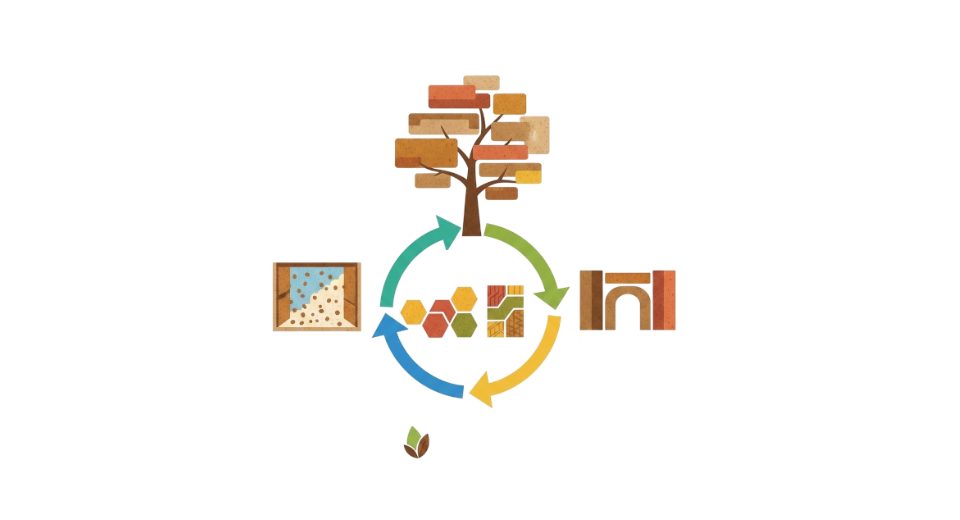
The report “Cork Building Materials Market By Product Type (Cork Flooring, Cork Wall Panels & Tiles, Cork Insulation Materials, Others) By Material (Natural Cork, Agglomerated Cork, Recycled Cork) and By End Use (Residential Construction, Non-Residential Construction)” is expected to reach USD 3.10 billion by 2033, registering a CAGR of 9.90% from 2026 to 2033, according to a new report by Transpire Insight.
As environmentally friendly and sustainable building methods become more popular, the global market for cork building materials has been expanding steadily. Cork, which comes from the bark of cork oak trees, is a popular option in contemporary residential and commercial constructions because it provides special fire retardancy, moisture resistance, and thermal and acoustic insulation. Products including insulation boards, wall panels, cork flooring, and other composite materials intended for both new building and renovation projects are included in the market. Growing urbanization and growing awareness of sustainable building materials have driven demand in both established and developing nations, making cork an essential component of green construction projects. Because of its comfort, toughness, and aesthetic adaptability, cork flooring is still in high demand. It is becoming more and more popular among homeowners and business developers because to its inherent robustness, eco-friendly qualities, and acoustic performance. Due to wellness-focused designs and rising demand for natural, non-toxic materials, residential construction continues to be a significant application. In order to get energy efficiency and sustainable construction certifications, such as LEED and BREEAM, commercial and institutional projects are concurrently using cork-based solutions.
The market's reach is being further expanded by technological developments in cork processing, such as agglomeration and composite creation. These developments enable producers to create cork materials with improved dimensional stability and performance that can be used for wall panels, flooring, and acoustic or thermal insulation. Recycled cork solutions are also becoming more popular, meeting the goals of the circular economy and supporting eco-friendly building methods. As consumers, developers, and governments embrace low-impact, renewable construction solutions, market growth is anticipated to continue to be strong.
The Cork Flooring segment is projected to witness the highest CAGR in the Cork Building Materials during the forecast period.
According to Transpire Insight, Cork flooring continues to dominate the product segment due to its combined benefits of thermal comfort, acoustic insulation, and durability. Cork floors are becoming more and more popular among homeowners and commercial developers because to their sustainable origin and natural, non-toxic qualities. Cork flooring's widespread acceptability is further supported by its capacity to lower energy expenditures through insulation while offering aesthetic diversity. Cork flooring is a favored material for both new construction projects and restorations in markets like Europe and North America due to wellness-focused interior design trends and green building guidelines.
Furthermore, technological developments like digital printing on cork surfaces and engineered cork boards have increased design freedom and drawn in architects and interior designers. These developments extend the life and usefulness of cork flooring in high-traffic areas by improving dimensional stability, moisture resistance, and wear performance. High adoption rates are anticipated to be sustained by the environmentally conscious customer base and government incentives for green materials. Cork flooring is anticipated to continue to be the market's top product category when combined with the expansion of the luxury housing and hotel industries in Asia Pacific.
The Natural Cork segment is projected to witness the highest CAGR in the Cork Building Materials during the forecast period.
The market for cork construction materials is primarily driven by natural cork, which is prized for its natural insulating qualities, biodegradability, and renewable supply. Natural cork, which is harvested from cork oak bark without damaging the tree, is popular for low-impact and sustainable building projects. It is perfect for flooring, wall panels, and insulation applications because of its special cellular structure, which guarantees excellent thermal insulation and acoustic damping. Because of strict energy efficiency regulations and the widespread adoption of green buildings, North America and Asia Pacific lead in consumption, while European markets especially Portugal and Spain dominate the supply chain.
Natural cork's strength and adaptability also make it possible for innovative uses in both the residential and commercial sectors, including as new construction and retrofit projects. While maintaining its natural qualities, ongoing research and development as well as design advancements improve its usability in engineered items. Natural cork's superior eco-friendly positioning is anticipated to spur acceptance across various building segments as sustainability requirements tighten globally, providing development opportunity for both raw cork suppliers and producers of finished materials.
The Residential Construction segment is projected to witness the highest CAGR in the Cork Building Materials during the forecast period.
According to Transpire Insight, The largest end-use market for cork building materials is residential development, which reflects growing customer demand for eco-friendly, healthful living environments. In both urban and suburban markets, cork products are popular among homeowners because to their durability, sound insulation, and thermal comfort. One of the main factors driving the growing demand for sustainable interior solutions is renovation initiatives in developed countries like North America and Europe. Adoption of cork is further aided by growing awareness of low-emission materials, energy efficiency, and indoor air quality.
In order to obtain sustainability certifications, residential developers are also incorporating cork materials into luxury residences, multi-family buildings, and environmentally aware housing developments. Because of the adaptability of cork goods, such as flooring, wall panels, and insulation, homeowners can improve overall comfort and energy efficiency by combining beauty and utility. In the upcoming years, the residential segment is anticipated to continue to be a major development driver for the worldwide market due to technological advancements in engineered cork and recycled cork solutions.
The North America region is projected to witness the highest CAGR in the Cork Building Materials during the forecast period.
Due to strict green building standards and the growing use of sustainable construction methods, North America is a major growth location for cork building materials. Cork flooring, wall panels, and insulation solutions are becoming more and more common in residential renovations, commercial buildings, and institutional projects in the United States and Canada, two of the world's largest marketplaces. The region's emphasis on indoor air quality, energy efficiency, and acoustic comfort is in line with the natural advantages of cork materials. Demand is also being fueled by growing awareness of eco-friendly and low-emission materials among architects, developers, and homeowners. Higher adoption rates are also supported by government incentives for sustainable building and LEED/WELL certification standards, especially in premium housing projects and high-value urban developments.
The developed building industry in North America offers a steady and expanding foundation for cork applications, enhancing the region's importance in the global market. The trajectory of the cork market in North America is being shaped by product innovation and technological improvements. Agglomerated wall panels, recycled cork insulation, and engineered cork flooring are becoming more and more popular due to their environmental compliance, dimensional stability, and longevity. While Canada exhibits consistent expansion through environmentally responsible multi-family and single-family projects, the United States is a center for both commercial-scale installations and home modifications. Growing design integration, where cork materials are prized for aesthetics and multipurpose qualities like thermal and acoustic regulation, also helps the industry. Adoption is further accelerated by expanding distribution networks and forming alliances with regional flooring experts and contractors.
Key Players
The top 15 players in the Cork Building Materials market include Corticeira Amorim SGPS SA, Wicanders, Jelinek Cork Group, Manton Cork, Green Building Supply, iCork Floor, Capri Collections, Beach Bros Ltd, ThermalCork Solutions, Expanko Resilient Flooring, Corksribas, Muratto, Globus Cork, Granorte, and Nu?Cork.
Drop us an email at:
Call us on:
+91 7666513636

 inquiry@transpireinsight.com
 APAC:+91 7666513636
 Address





