
Jan 26, 2026
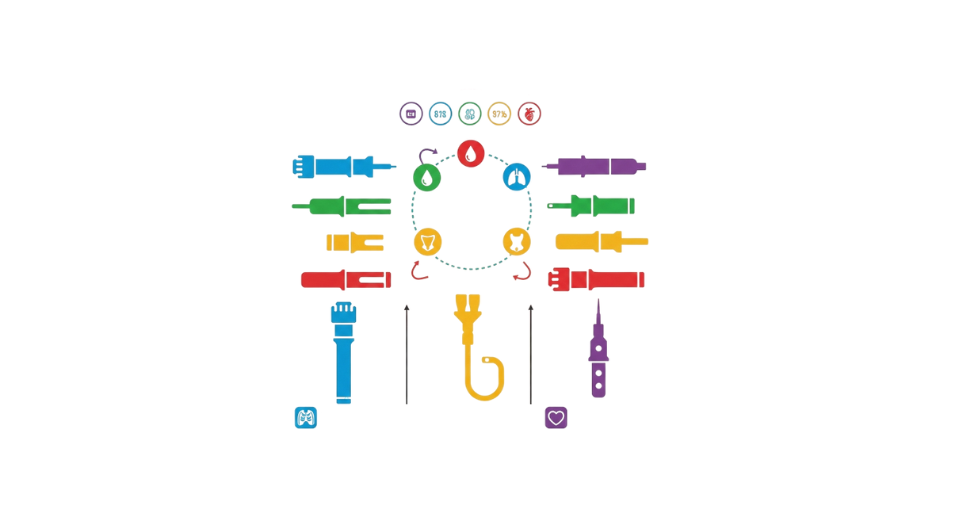
The report “Centesis Catheters Market By Product Type (Small-bore Centesis Catheters, Large-bore Centesis Catheters), By Procedure (Paracentesis, Thoracentesis, Arthrocentesis, Amniocentesis, Other), By Application (Diagnostic Applications, Therapeutic Applications, Palliative Care Applications) and By End User (Hospitals, Ambulatory Surgical Centers (ASCs), Other End Users)” is expected to reach USD 2.85 billion by 2033, registering a CAGR of 10.10% from 2026 to 2033, according to a new report by Transpire Insight.
The Centesis Catheters market worldwide has shown steady growth in recent years due to the rise in overall chronic health situations that require periodic fluid removal through catheters or Central Centesis Catheters, which includes liver disease or cirrhosis, cardiovascular disease, cancer, and joint disorders. Centesis catheters are very helpful medical tools in surgeries that involve paracentesis, thoracentesis, arthrocentesis, and even in amiocentesis to bring added benefit to patients in various manners because of their use of minimally invasive medical treatments for all types of health situations worldwide. Market growth can also be influenced by various technology advancements such as safety-engineered designs, kink-resistant materials, or ultrasound-compatible catheters to name a few. There has been an increase in the use of such medical equipment in patient care by clinicians, both as inpatient or outpatient cases, indicating a movement towards an effective model of care that is patient-centered. The use of point-of-care imaging has improved precision in medical procedures to minimize complications while promoting healthcare practitioners’ self-assurance in their endeavors.
On one hand, considering the geographies in the global endoscope equipment market, North America leads the market due to the highest procedural volume along with robust health infrastructure with favorable reimbursement policies. On the other hand, the European market sustains a robust market share owing to robust adoption in outpatient treatments as well as minimally invasive techniques. Concurrently, the Asia-Pacific market exhibits promising growth due to growing health infrastructures along with the prevalence of chronic diseases in countries such as India as well as China. From a commercial standpoint, this presents a sustained benefit as chronic diseases require ongoing fluid drainage procedures. The main stakeholders in this industry continue to remain healthcare facilities, as this segment holds a majority share in device uptake, followed by ambulatory centers and clinics. With ongoing innovation, accessibility, and consequently a better understanding of safety, the Centesis Catheters market promises a bright future in terms of market growth, and for major device manufacturers, a lucrative opportunity in this otherwise unmet medtech market.
The Small-bore Centesis Catheters segment is projected to witness the highest CAGR in the Centesis Catheters during the forecast period.
According to Transpire Insight, The small-bore centesis catheter represents the leading product segment, since these tubes are in great alignment with modern minimally invasive clinical practices. Such catheters are increasingly being adopted by clinicians owing to their ability to decrease procedural trauma, reduce infection risks, and enhance patient comfort compared to traditional large-bore catheters. Compatibility of the same catheters with ultrasound-guided procedures helped further increase adoption, mainly in interventional radiology and bedside drainage. With healthcare systems increasingly shifting focus toward patient safety, faster recoveries have managed to render small-bore devices as the default option for routine diagnostic and therapeutic centesis procedures.
A high frequency of procedures or repeated use of the device for managing chronic conditions gives the-small bore catheter a high demand from a business point of view. This ability of the device to provide value in both inpatient settings as well as in outpatient settings will cause this product to become more extensively distributed in various hospitals as well as other ambulatory care centers. Manufacturers are placing more emphasis on innovation in this product line with respect to safety as well as ergonomics to enhance differentiation in product design; this will also induce replacement demand for this device in the coming years. As the trend towards overall less invasive care becomes more prominent on a global scale, this product will surely maintain its position in the portfolio.
The Paracentesis segment is projected to witness the highest CAGR in the Centesis Catheters during the forecast period.
The segment of Paracentesis retains the maximum procedural segment of Centesis Catheters Market size. This is owing to several underlying reasons and major aspects of increased liver disease and oncology-related ascites. The Centesis procedure is commonly needed as both a symptom relief and evaluation tool in clinical and clinical-based scenarios. The increased rates of alcohol intake and prevalence of Hepatitis and liver cirrhosis have been major drivers and contributing factors towards increased demand for Centesis procedures globally.
In addition to this, paracentesis is increasingly being done with ultrasound guidance. This, again is leading to highly safe outcomes and further lends credence to reliable devices like centesis catheters. The fact that this is a repeat procedure and involves chronic populations ensures that there is continued device usage which is greatly beneficial for this market. Hence, another factor that lends credence to paracentesis is that this is likely to remain the most commercially significant category of paracentesis.
The Therapeutic Applications segment is projected to witness the highest CAGR in the Centesis Catheters during the forecast period.
According to Transpire Insight, Therapeutic applications have the highest segment in the market for Centesis Catheters. Fluid drainage is an important intervention based on the core principles of the symptomatic relief of pain, difficulty in breathing, abdominal discomfort, etc. These applications form the core part of patient management in various fields such as oncology, hepatology, cardiology, pulmonology, etc. The rise in the age group population along with the prevalence of various chronic as well as dying diseases has resulted in the increased need to undergo the procedure.
As far as utilization trends are concerned, therapeutic applications benefit from a recurring procedure schedule, as numerous patients need to undergo repeat fluid withdrawal over time. Therefore, a stable and recurring need exists in terms of market demand within health care systems. Moreover, with various firms designing products to improve fluid control and efficiency, therapeutic applications are likely to maintain their major market share. As quality-of-life improvements are a priority within health care, therapeutic applications are likely to maintain their major market share.
The Hospitals segment is projected to witness the highest CAGR in the Centesis Catheters during the forecast period.
The majority of end-users belong to hospitals, given their status as major centers for complex and high-risk centesis procedures. This is because these medical institutions handle many patients with severe and advanced stages of different chronic ailments, including cancer, liver disease, and heart problems ailments frequently requiring centesis procedures. The presence of advanced imaging modalities and specialists is also likely to make hospitals major adopters of centesis catheter systems.
In the context of procurement, hospitals value standard quality catheters along with a consistent supply chain, especially when there are training needs. Longer-term purchases, as well as procedural kits, increase vendor penetration in hospitals. Till date, the importance of outpatient services has not affected hospitals; the majority of revenue still comes from hospitals, albeit due to complexity and number of procedures. With an increase in tertiary healthcare needs along with critical patient needs worldwide, hospitals will continue to lead in the use of centesis catheters.
The North America region is projected to witness the highest CAGR in the Centesis Catheters during the forecast period.
North America maintains the top spot in the Centesis Catheters Global Market, driven by good infrastructure in healthcare facilities combined with best practices in healthcare that focus greatly on minimally invasive procedures. The advanced imaging capabilities, most notably the use of point-of-care ultrasound throughout the region, have greatly improved the safety and accuracy of procedures, bolstering healthcare providers' trust in the utilization of minimally invasive approaches. High rates of chronic liver disease, malignant effusions, and heart disease help support strong volumes, equating to good device utilization rates in inpatient settings as well as in outpatient settings. The reimbursement scenario in this region facilitates easy device adoption via strong supply chains in hospitals as well as in freestanding ambulatory surgical sites.
Furthermore, another factor that promotes and shapes commercial dynamics within North America is backed by substantial financial investments and attitudes towards research, innovation, and differentiation. Top medical device industry leaders have placed substantial emphasis on various measures to ensure product compliances towards regulatory hurdles while keeping catheter safety, ergonomics, and visibility within imaging systems. The presence of top industry leaders within this region is yet another factor that promotes product launches and initiatives towards strategic alliances within this region. Overall, these attributes have kept this region competitive and ahead of global counterparts with stable growth.
Key Players
The top 15 players in the Centesis Catheters market include AngioDynamics, Inc., Teleflex Incorporated, Merit Medical Systems, Becton, Dickinson and Company, Cook Medical, Medtronic plc, Avanos Medical Devices, Cardinal Health, Inc., B. Braun Melsungen AG, Argon Medical Devices, Boston Scientific Corporation, Medical Components, Inc., Redax S.p.A., Galt Medical Corp., and Blue Neem Medical Devices Pvt. Ltd.
Drop us an email at:
Call us on:
+91 7666513636

 inquiry@transpireinsight.com
 APAC:+91 7666513636
 Address





