
Feb 20, 2026
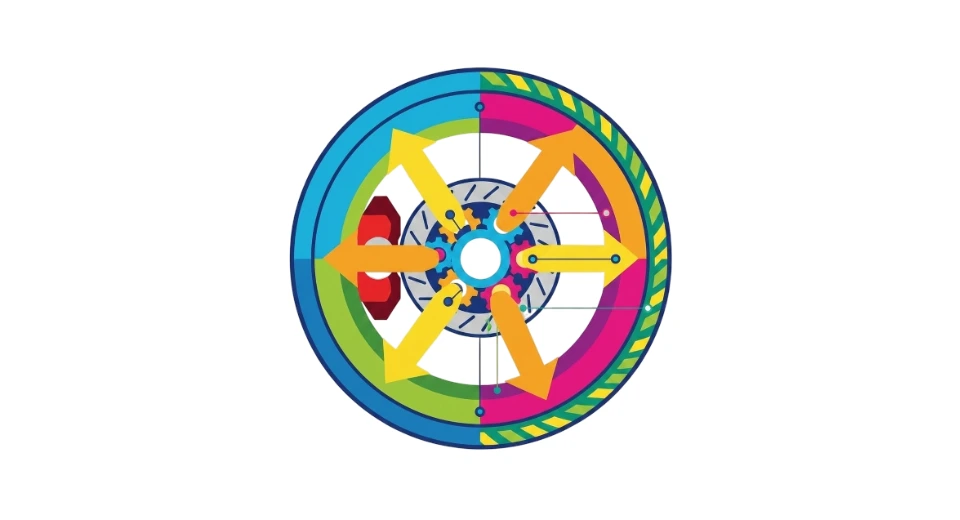
The report “Automotive Wheels Market By Material Type (Steel Wheels, Alloy Wheels, Carbon Fiber Wheels), By Vehicle Type (Passenger Vehicles, Commercial Vehicles, Electric vehicles), By Rim Size (Up to 15 Inches, 16-18 Inches, Above 18 Inches), By Sales Channel (OEM, Aftermarket)” is expected to reach USD 66.00 billion by 2033, registering a CAGR of 6.10% from 2026 to 2033, according to a new report by Transpire Insight.
Growth ticks upward in the automotive wheel space, thanks to more cars rolling off assembly lines alongside stronger interest in sharper looks and better ride quality. Stability, how a car handles turns, and even safety wheels play a part in all of it. When engineers tweak rides for smoother experiences or lower fuel burn, they lean harder on tough materials and smarter rim shapes. Progress here does not shout; it shows up quietly in metal choices and blueprint details.
Starting light means going far, which is why aluminum alloys and forged metals now show up more often on roads. Because less bulk helps cut fuel needs, these choices pull ahead where efficiency matters. Braking gets sharper. Handling feels tighter. That explains their spot under most modern sedans and faster models. New ways of shaping metal push limits, too; tougher builds emerge, last longer, and allow wilder shapes.
Nowhere else has seen such a shift toward personalized upgrades like the aftermarket world. Buyers want rims that stand out, ones that lift how their cars look while boosting function too. Style matters more these days, especially with sleek alloys gaining favor across different models. At the same time, electric rides are pushing new needs: lighter builds, smoother airflow. These demands spark fresh thinking among makers who adapt fast. Progress does not stop there; better materials keep rolling into production lines. Expect this path to hold steady as long as ingenuity fuels what comes next.
The Alloy Wheels segment is projected to witness the highest CAGR in the Automotive Wheels market during the forecast period.
According to Transpire Insight, Heavy steel wheels are slowly losing ground as lighter options gain favor among drivers and builders alike. A growing need for parts that trim down car mass without sacrificing strength. These days, many turn to rims forged from aluminum blends or magnesium mixes instead. Such materials help cut bulk, letting engines sip less fuel while boosting cornering control. Braking feels sharper, too, when unsprung weight drops. With pollution rules tightening worldwide, manufacturers see these wheels as one way forward. Not just luxury models but delivery vans and family cars now carry them more often than before. Growth in this area outpaces others simply because physics favors lightness.
What's pushing alloy wheel sales up is not just function, it's how they look. Style matters more now, so drivers are swapping out old wheels for sleeker ones after purchase. Instead of plain metal rims, many choose alloys because they resist rust better and handle heat more efficiently. Their shapes can also be bolder, allowing custom touches without extra cost. Electric cars play a role, too - lighter parts help them go farther on one charge. Because efficiency counts, automakers fit these vehicles with lighter, smoother wheels by default. Growth in that sector means more need across repair and upgrade markets alike.
The Passenger Vehicles segment is projected to witness the highest CAGR in the Automotive Wheels market during the forecast period.
Not stopping its climb, the Passenger Vehicles category looks set to grow fastest in the Automotive Wheels space ahead of other segments. Growth comes on the back of steady rises in worldwide passenger car manufacturing. Buyers now lean toward sleeker, more modern wheel designs. A big piece of the total wheel use ties right to these vehicles. More people pick alloy builds plus wider sizes. These choices aim for a sharper look along with a better driving feel. Speed alone does not explain it - style matters just as much.
With more people buying cars in developing regions, while owners in established areas replace vehicles faster, the need grows for factory and replacement wheels on passenger models. Moving to lighter, high-performance styles pushes this trend even deeper into daily driving life.
The 16-18 Inches segment is projected to witness the highest CAGR in the Automotive Wheels market during the forecast period.
According to Transpire Insight, despite growing choices, wheels between 16 and 18 inches keep drawing attention across the automotive sector. Comfort doesn’t take a backseat here; drivers gain a sharper response while keeping a smooth journey. Many current models, from compact cars to taller SUVs, roll out fitted with these diameters straight from factories. Performance feels tuned just right, not too stiff, not too soft. Manufacturers stick with this range because it suits varied tastes without extra cost. Buyers replacing worn units also lean toward this bracket when upgrading. Style steps up, yet practicality holds firm. Road grip improves noticeably under cornering loads. Even daily commutes feel more settled on uneven surfaces. Since fitment rarely causes issues, demand stays consistently high year after year.
Now, more drivers want cars that look sharper while handling roads smoothly, pushing interest toward 16–18-inch wheels. These sizes usually come with alloy builds, adding visual appeal along with tighter control on curves and bumps. Even as automakers chase sleek forms and fuel economy, those mid-sized rims still shape much of how wheels evolve today. Their role sticks around prominently across both factory models and custom upgrades.
The Aftermarket segment is projected to witness the highest CAGR in the Automotive Wheels market during the forecast period.
Growth in the automotive wheels market may surprise some aftermarket sales are climbing fastest. Vehicle owners swap out wheels more often now, chasing better looks plus smoother rides. Custom styles pull interest, pushing demand higher over time. Shoppers find what they need fast, thanks to stores and websites stocking wide selections. This part of the market moves quickly, fueled by choice and access.
Something new catches eyes now, how wheels perform, what looks sharp on roads, how rides stand out. Not stuck with factory choices, people find freedom in options that fit their taste or terrain. A mix of fresh styles, varied builds, and different diameters pulls more into replacing rather than waiting. Choices pile up outside brand showrooms, drawing those who love tuning machines just right. Even regular trips to work turn into moments for expression through rims picked by hand.
The North America region is projected to witness the highest CAGR in the Automotive Wheels market during the forecast period.
Heavy use of cars across North America pushes change. What happens next ties to rising interest in sleeker, lighter wheels. Preference shifts show up in the choices people make when buying rims. Custom styles gain ground because many want their vehicles to stand out. Big numbers of SUVs on the roads adds momentum. Performance models help too. Buyers now look closely at materials and design details. Upgraded wheels matter just as much as factory ones. Growth follows where spending goes. Market moves respond directly to these habits.
Not far behind, strong car-making networks in the United States, along with solid supply chains for replacements, keep new ideas flowing and products moving through both original makers and repair shops. Because more attention now goes toward saving fuel, paired with strict rules about how vehicles perform, demand keeps building fast here, especially for wheels across North America.
Key Players
Top companies include Iochpe-Maxion, CITIC Dicastal, Ronal Group, Maxion Wheels, Borbet GmbH, Enkei Corporation, Superior Industries International Inc., Alcoa Wheels (Howmet Aerospace Inc.), Accuride Corporation, Topy Industries Ltd., Zhejiang Wanfeng Auto Wheel Co., Ltd., YHI International Limited, Mangels Industrial S.A., OZ S.p.A., Advanti Racing, Fuel Off-Road Wheels, and American Racing Equipment Inc.
Drop us an email at:
Call us on:
+91 7666513636

 inquiry@transpireinsight.com
 APAC:+91 7666513636
 Address





